If you only do one thing for a lower-waste home, make it this. Food waste is the single highest-impact habit there is — households throw away a huge share of what they buy, the USDA estimates the average family of four loses around $1,500 a year to it, and food rotting in landfill releases methane, a potent greenhouse gas. The good news: cutting it saves money immediately and needs no special equipment.
Here is how to waste far less of the food you already buy, in order of impact.
The food-waste hierarchy
Tackle it in this order — the earlier steps matter far more than the last:
- Buy only what you'll use (prevention beats everything).
- Store it so it lasts.
- Use it up before it spoils.
- Compost the rest — the last resort, not the goal.
Composting is genuinely good, but it comes last: growing, shipping and cooking food you never eat is wasted whether or not the scraps compost. Prevention is the real win.
Step 1: Shop smarter
Most food waste starts at the shop:
- Plan meals for the week and shop to that plan, not to impulse.
- Check your fridge and cupboards first and build meals around what needs using.
- Write a list and stick to it — and be honest about how much you'll actually cook.
- Beware bulk "deals" on perishables; three-for-two only saves money if you eat all three.
Bringing your own containers helps here too — see package-free grocery shopping.
Step 2: Store food so it lasts
Correct storage is where the quickest wins hide — the same lettuce lasts three days or two weeks depending on how you keep it:
- Keep herbs and leafy greens crisp with the right method — full guide here.
- Store root vegetables cool, dark and airy, not sweating in a plastic bag.
- Decant dry goods into airtight jars so they don't go stale — see the plastic-free pantry guide.
- Use reusable wraps and pouches for cut fruit, cheese and leftovers.
Step 3: The "eat me first" habit
Keep a basket or shelf at the front of the fridge for anything within a few days of spoiling — and cook from it first. Pair it with first-in, first-out: new groceries go behind the old. This one free habit, popularised in zero-waste communities, cuts household food waste dramatically on its own.
Step 4: Use up leftovers and scraps
There is a lot you can do here — the full guide to using up leftovers has more, but the essentials:
- Cook once, eat twice — turn leftovers into lunch or a second meal.
- Scrap cooking: vegetable trimmings and bones make stock; stale bread becomes croutons or breadcrumbs; overripe fruit becomes smoothies or baking.
- Freeze the surplus: most things freeze — bread, herbs in oil, cooked portions, even milk. A well-used freezer is the ultimate anti-waste tool (how to freeze food properly).
Understand date labels
A lot of "expired" food is thrown away perfectly good:
- "Best before" is about quality, not safety — food is usually fine (if less peak) after it, so use your eyes and nose.
- "Use by" is about safety — respect this one, especially on meat, fish and dairy.
Knowing the difference alone saves a surprising amount from the bin.
Step 5: Compost what's genuinely left
Peels, cores and true scraps that can't be eaten don't have to be landfill — they're the perfect start for composting, even in an apartment. Just remember composting is the last step, not a licence to waste.
Ecoxee is an Amazon Associate and may earn from qualifying purchases through these links. Learn more.

Bee's Wrap Beeswax Wrap Roll
A washable, compostable roll of beeswax-coated cotton that replaces cling film for wrapping and covering. The best-known name in beeswax wraps, and a genuinely good one.
Read our full review →
Organic Cotton Mesh Produce Bags (13-pack)
A washable set of organic-cotton mesh bags that replace the flimsy plastic produce bags at the grocery store. One of the cheapest, easiest zero-waste swaps, and one you will use every week.
Read our full review →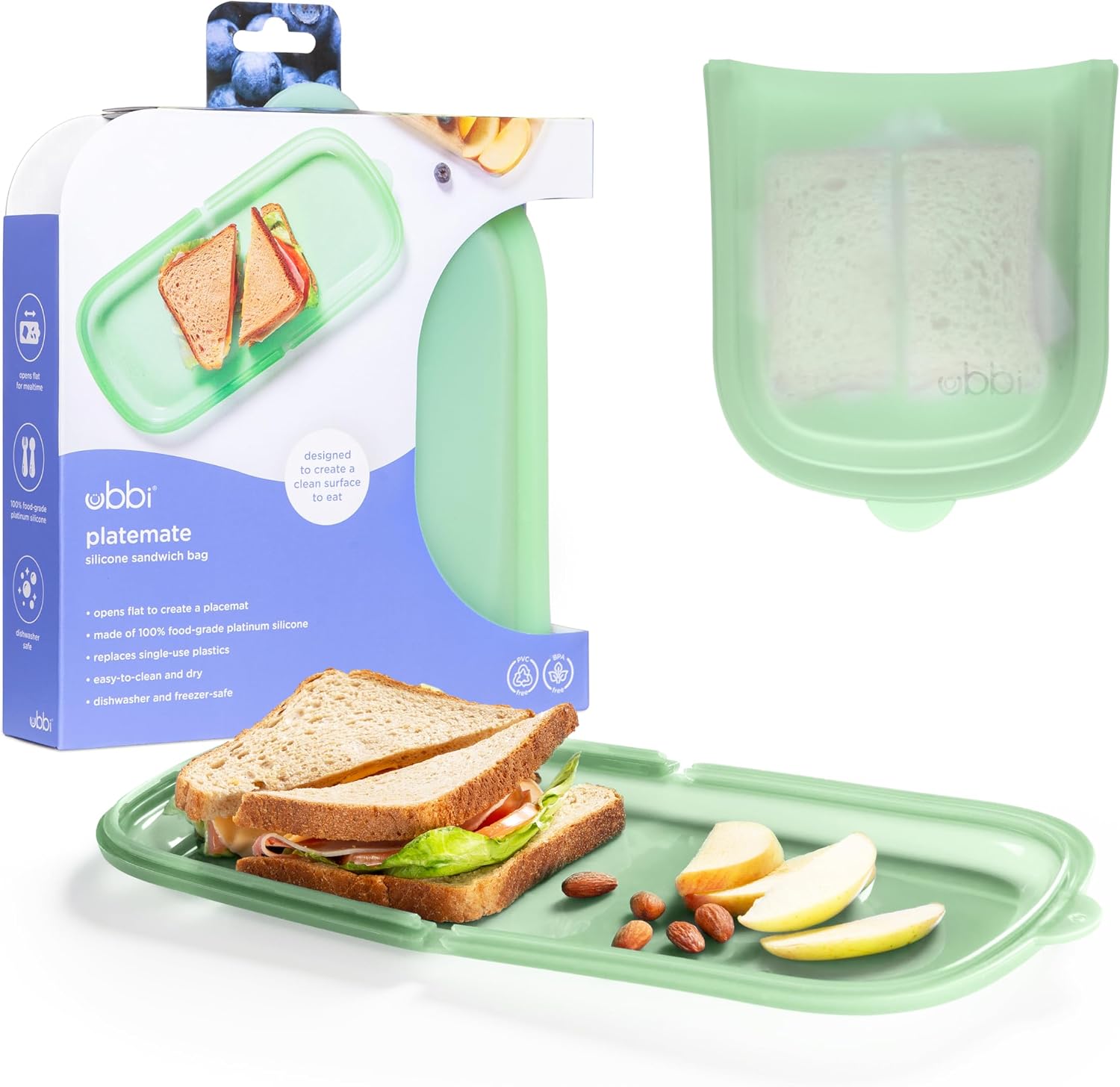
Ubbi Silicone Reusable Storage Bag
A sturdy, airtight silicone bag that replaces disposable zip-top sandwich and snack bags: freezer-safe, dishwasher-safe, and built to last for years.
Read our full review →Frequently asked questions
What is the biggest cause of food waste at home? Buying more than you use and then losing track of it. Meal planning, shopping to a list, and an "eat me first" fridge basket tackle the bulk of it.
Does reducing food waste actually save money? Yes — significantly. With the average family losing around $1,500 a year to wasted food, using up what you buy is one of the biggest savings in the whole home.
Is "best before" the same as "use by"? No. "Best before" is a quality date (food is usually fine after it); "use by" is a safety date to respect. Confusing the two sends a lot of good food to the bin.
Can you freeze food to stop it going to waste? Almost always. Bread, cooked meals, herbs, and most fruit and veg freeze well — freezing surplus before it spoils is one of the simplest anti-waste habits.
The bottom line
Reducing food waste is the rare habit that helps the planet and your wallet the most, for the least effort. Plan your shopping, store food properly, keep an "eat me first" basket, use up leftovers, learn your date labels — and compost only what's genuinely left. Do that and you'll waste far less, spend less, and shrink your bin more than any single product swap could.
Keep reading: How to Reduce Microplastics From Laundry, How to Reduce Plastic Waste at Home, and How to Remove Stains Naturally.