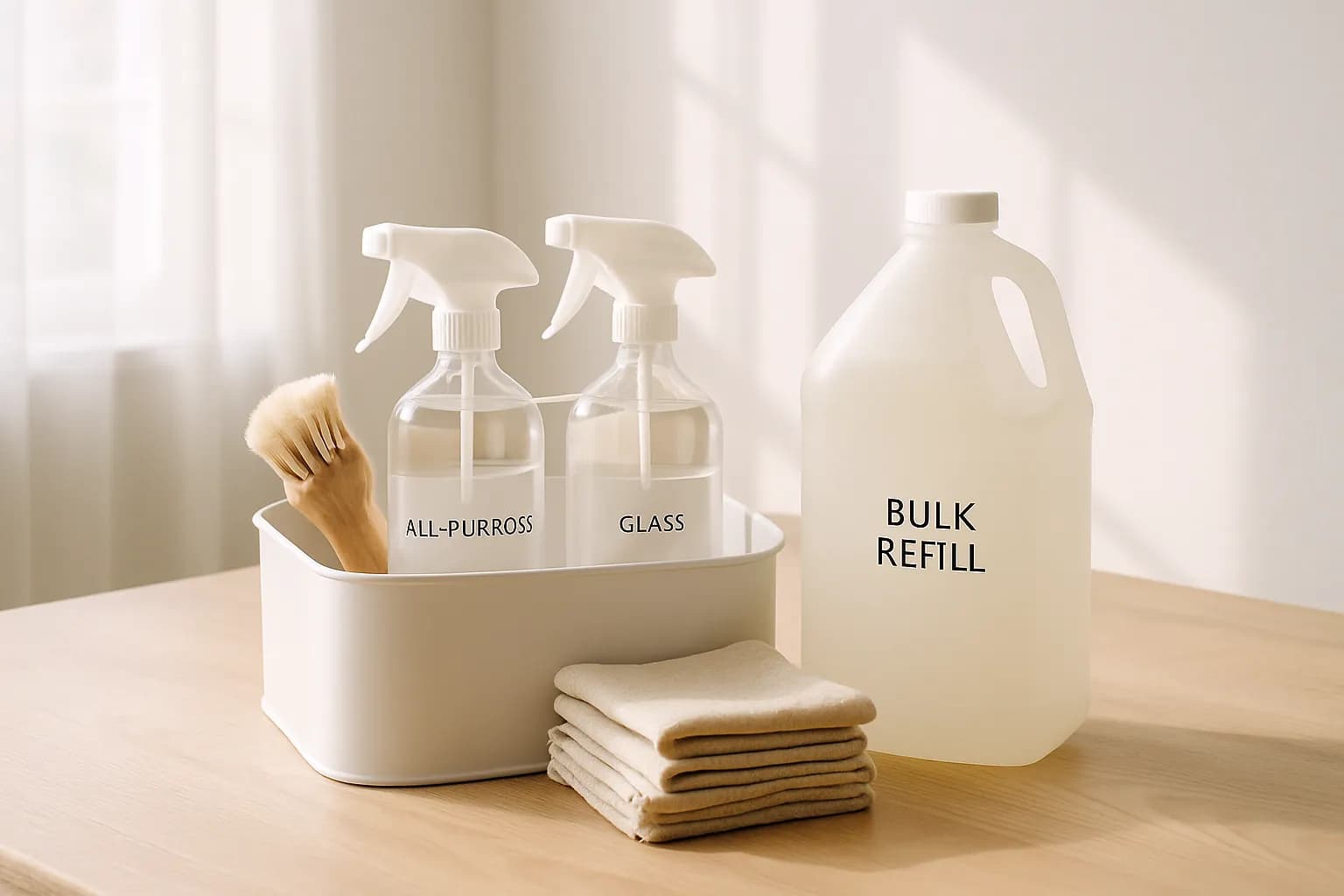
Buying a new plastic bottle every time the cleaner runs out is the definition of avoidable waste — and it's pricey. A refillable cleaning system fixes both: keep a handful of good bottles, top them up from bulk or concentrates, and you'll never buy a single-use bottle again.
It's a zero-waste win that also declutters the cupboard. Here's how to set one up, keep it safe, and label it so nobody grabs the wrong spray.
Why refillable beats disposable
It cuts plastic, saves real money (concentrates and bulk are far cheaper per use), clears cupboard clutter, and puts you in control of the ingredients.
Step 1: Choose your bottles
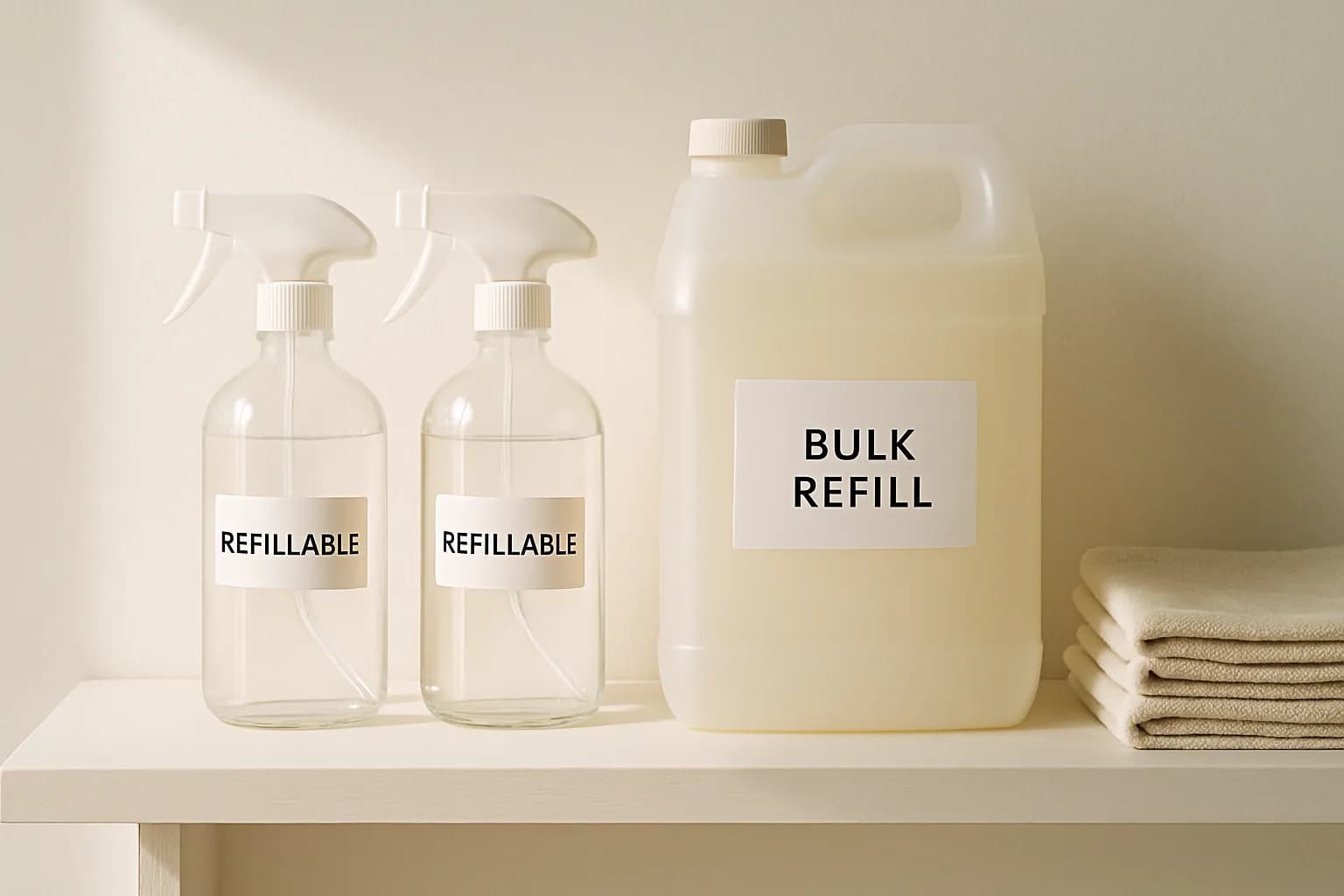
Reuse durable spray bottles you already own — rinse them well first — or buy a few good glass or aluminium ones once. Never reuse a bleach bottle for an acid cleaner.
Step 2: Source the refills
Top up at a refill station (bring your own bottle), dilute concentrates, buy in bulk, or mix your own homemade cleaners from vinegar, baking soda, and castile soap.
Step 3: Label everything (this is the safety step)
Label each bottle by both contents and surface — for example, "Vinegar spray: glass and grease, NOT stone." Never mix cleaners, keep any bleach well apart, and keep everything out of reach of children.
Step 4: Caddy it
One tote or caddy holds your sprays, a scrub brush, cloths, and a refill — grab it and move room to room. Keep a small basket of cloth rags cut from old towels alongside it.
Reusable cloths, not paper towels
A refillable spray only gets you halfway if you are still tearing through disposable wipes and paper towels. Complete the system with washable tools:
- Cloth rags cut from old towels or T-shirts for everyday wiping.
- Swedish dishcloths for counters and spills — one replaces a stack of paper towels and composts at the end.
- A reusable scrubber for stuck-on grime instead of a throwaway sponge.
- Washable mop pads in place of disposable ones.
Wash them with your regular laundry and they last for years, which is what makes the whole system genuinely low-waste rather than just lower-plastic.
Ecoxee is an Amazon Associate and may earn from qualifying purchases through these links. Learn more.
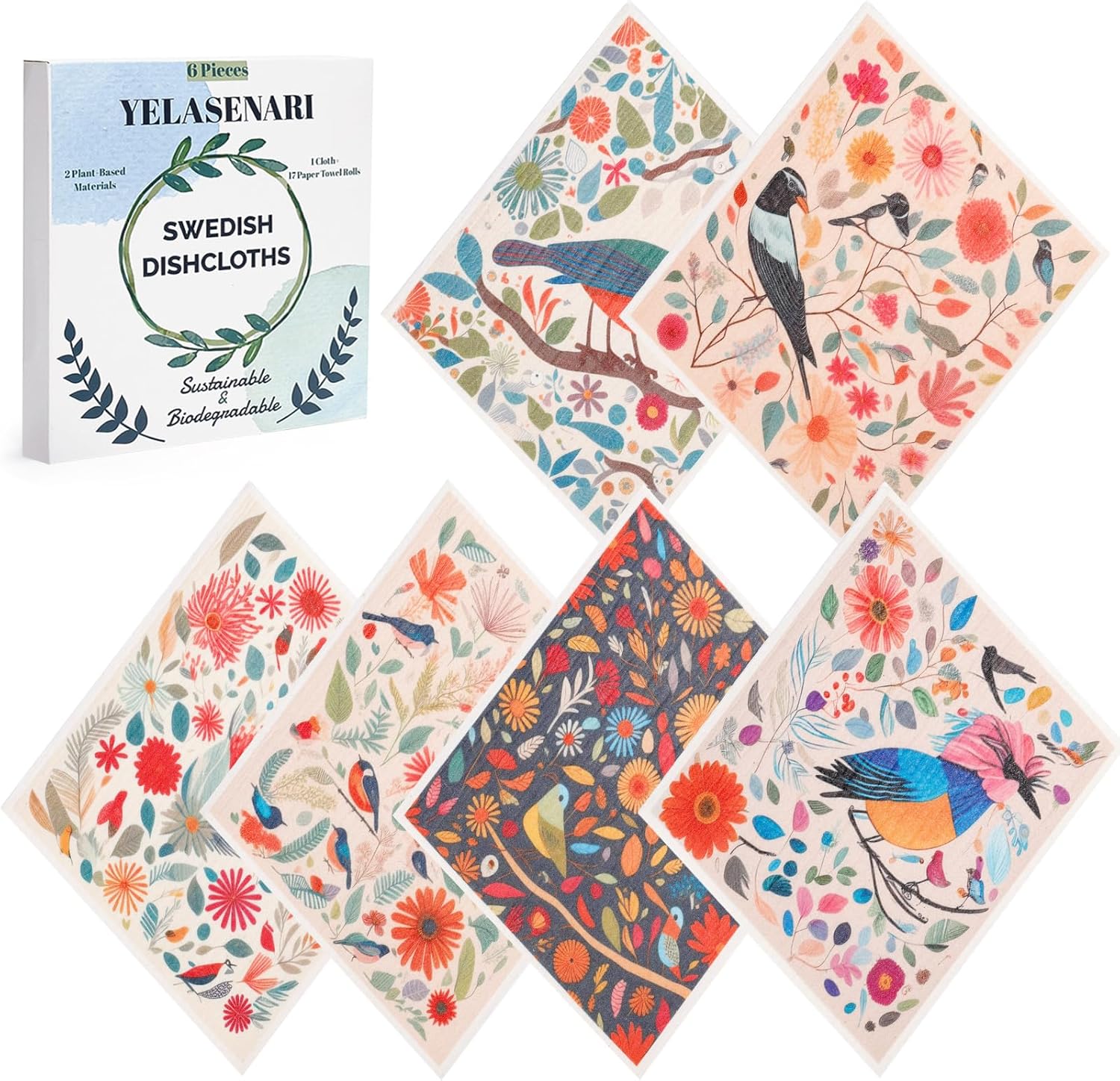
Swedish Dishcloths (6-pack)
Super-absorbent cellulose-and-cotton cloths that soak up far more than a paper towel, wash clean, and compost at the end: the swap that finally replaces the paper-towel roll.
Read our full review →
Skoy Reusable Dish Scrubbers (4-pack)
Flat, quick-drying cellulose-and-cotton scrubbers that replace disposable sponges: non-scratch, dishwasher-safe, and compostable at the end of their long life.
Read our full review →
Reusable Microfiber Mop Pads (Swiffer-compatible)
Washable microfiber pads that clip onto the Swiffer Sweeper you already own, in place of the disposable throwaway sheets: the same clean floor without the daily waste.
Read our full review →Keeping it going
Refill on a schedule so you never run dry, keep a bulk jug in the cupboard, wash and reuse the cloths, and label anything new the moment it joins the caddy.
Built a refill setup that works? Share it in the comments at ecoxee.com — labels and all.
Keep reading: How to Shop Secondhand (and Thrift Well), How to Use a Safety Razor (Plastic-Free Shaving), and How to Use Up Leftovers (and Food Scraps).


