Using up what you've already cooked (and the bits you'd normally bin) is one of the most satisfying parts of reducing food waste — it saves money, saves cooking time, and means less heading to the compost. Here's how to turn leftovers and scraps into food you actually want to eat.
The leftover mindset: cook once, eat twice
The easiest win is to plan for leftovers on purpose. Cook a bigger batch of a grain, protein or roasted veg, and you've got the base for tomorrow's lunch or a fast second dinner. Leftovers stop feeling like a chore when they're the plan, not an accident.
Transform, don't just reheat
Reheated leftovers can feel sad; reinvented ones feel like a new meal:
- Roast veg → blitz into soup, fold into a frittata, or pile onto toast.
- Cooked rice → fried rice or stuffed peppers (chill it first; reheat until piping hot).
- Stale bread → croutons, breadcrumbs, panzanella salad, or French toast.
- Roast meat → tacos, sandwiches, fried rice, or a quick curry.
- Odds and ends → a "clear-out" frittata, stir-fry, soup or grain bowl once a week mops up everything.
Scrap cooking: the bits people bin
A surprising amount of "waste" is actually an ingredient:
- Vegetable trimmings (onion ends, carrot peels, celery tops, mushroom stalks) → freeze in a bag until you have enough for homemade stock.
- Herb stems → blend into pesto, dressings or stock.
- Citrus peels → zest for baking, or dry for tea.
- Parmesan rinds → drop into soups and sauces for savoury depth.
- Overripe fruit → smoothies, banana bread, quick jam, or freeze for later baking.
Store leftovers so they actually get eaten
- Cool quickly, then refrigerate within a couple of hours.
- Keep them visible — front of the fridge, in clear containers, so they're not forgotten (the "eat me first" habit).
- Most cooked leftovers keep 3–4 days in the fridge; when in doubt, use your senses.
- Reheat once, and until piping hot throughout — don't reheat the same portion repeatedly.
- Freeze the surplus you won't get to in time — see how to freeze food.
Ecoxee is an Amazon Associate and may earn from qualifying purchases through these links. Learn more.
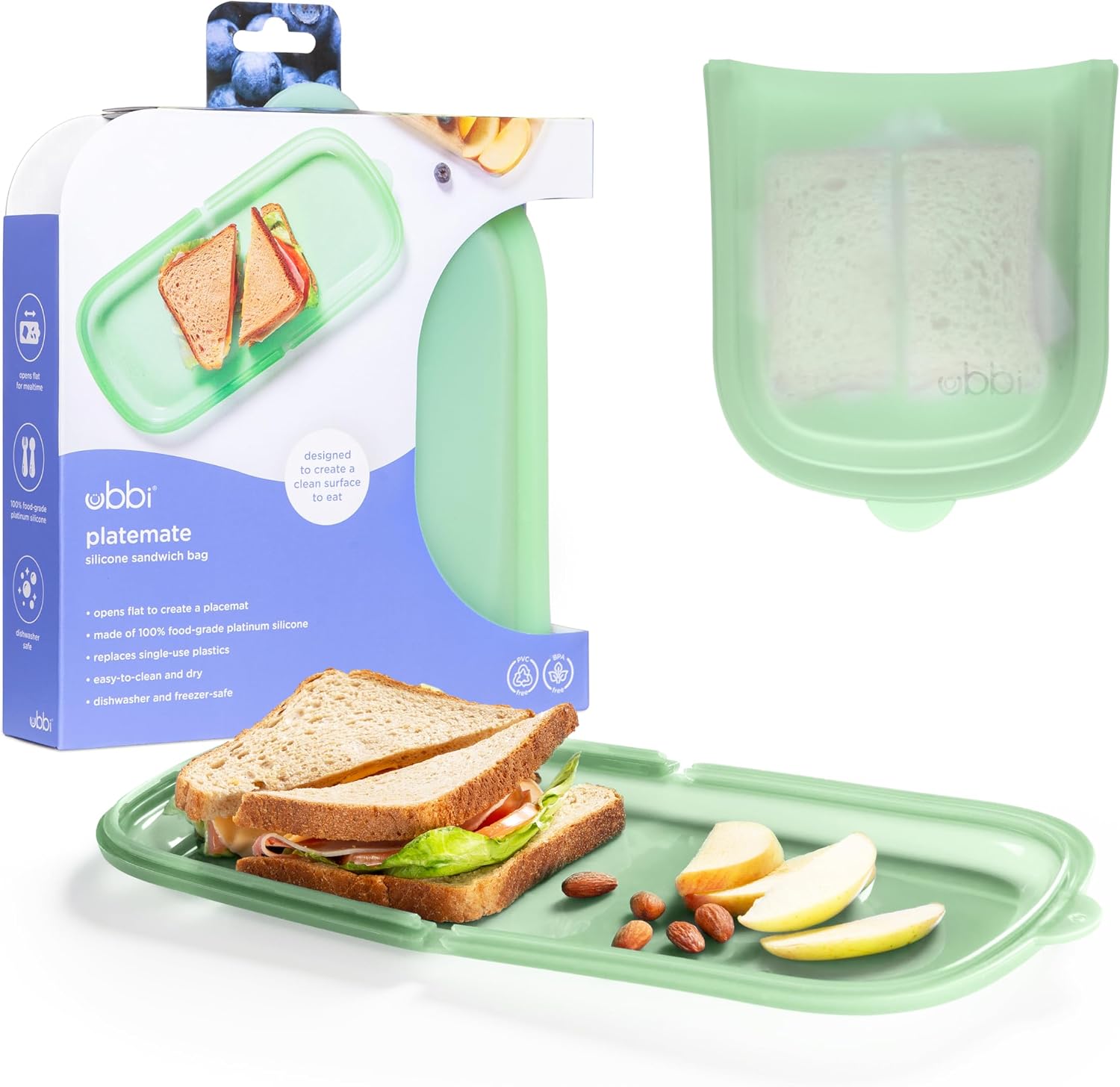
Ubbi Silicone Reusable Storage Bag
A sturdy, airtight silicone bag that replaces disposable zip-top sandwich and snack bags: freezer-safe, dishwasher-safe, and built to last for years.
Read our full review →
Bee's Wrap Beeswax Wrap Roll
A washable, compostable roll of beeswax-coated cotton that replaces cling film for wrapping and covering. The best-known name in beeswax wraps, and a genuinely good one.
Read our full review →
Reusable Fabric Bowl Covers (10-pack)
Elasticated fabric covers in five sizes that stretch over bowls and plates in place of cling film or foil: washable, cheerful, and endlessly reusable.
Read our full review →Frequently asked questions
How long do leftovers last in the fridge? Most cooked leftovers keep 3–4 days refrigerated. Cool them quickly, store them covered, and reheat only once, until piping hot.
Can you make stock from vegetable scraps? Yes — save trimmings like onion ends, carrot peels and celery tops in a freezer bag, and once you've got enough, simmer with water and herbs for a free homemade stock.
What can I do with stale bread? Turn it into croutons, breadcrumbs, French toast or panzanella — stale bread is better than fresh for most of these.
Is it safe to reheat leftovers more than once? Reheat a given portion only once, and heat it thoroughly. Repeated cooling and reheating raises the risk of bacteria, so take out only what you'll eat.
The bottom line
Leftovers and scraps aren't the end of a meal — they're the start of the next one. Cook with leftovers in mind, reinvent rather than reheat, and treat trimmings as ingredients (stock, pesto, breadcrumbs). Whatever truly can't be eaten goes to compost — but by then there'll be very little left.
Keep reading: Is Bamboo Actually Sustainable?, Meal Planning to Reduce Food Waste, and Plastic-Free Coffee & Tea at Home.