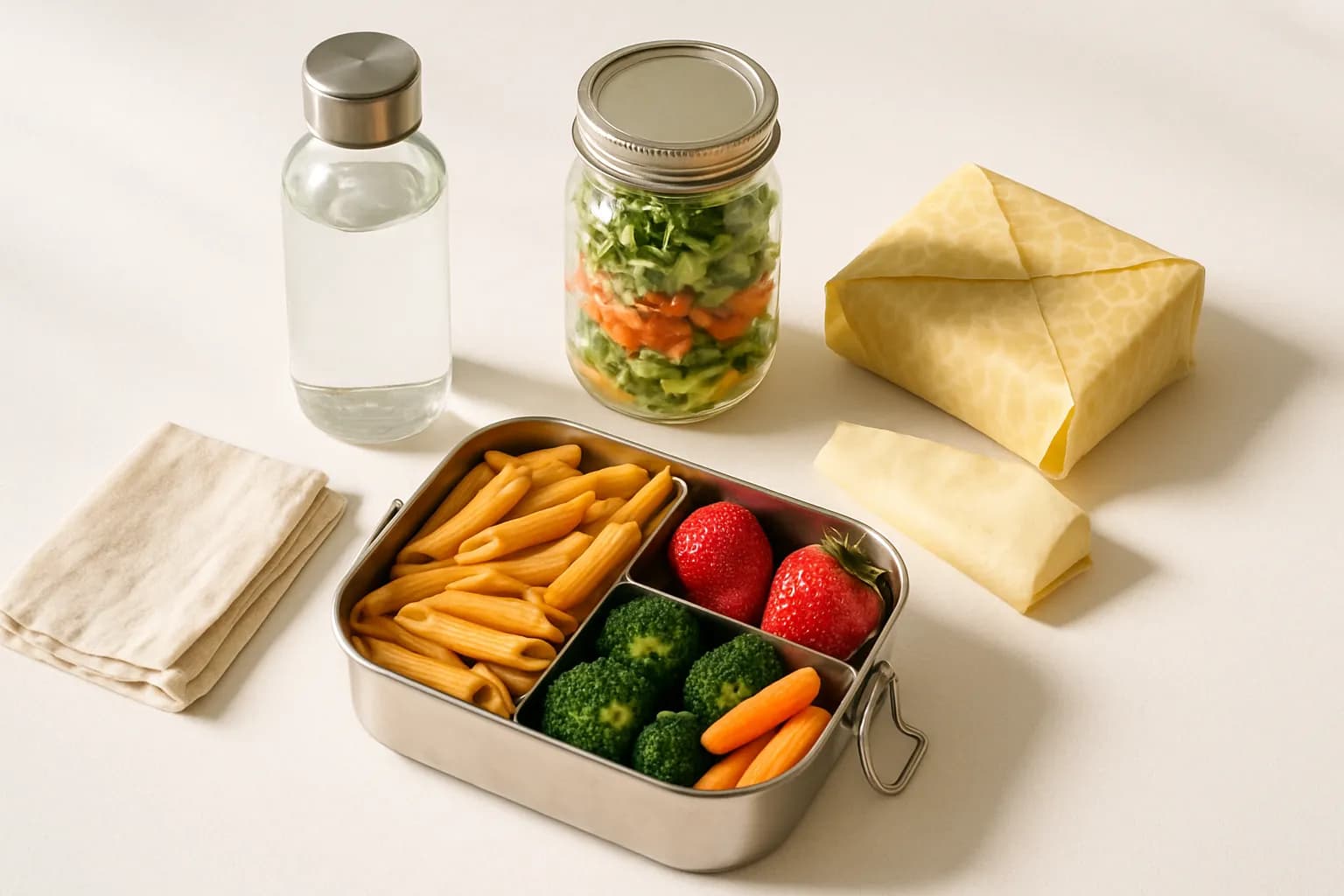
The freezer is the ultimate anti-waste tool: it hits pause on food that's about to turn, so nothing has to be binned just because you can't eat it today. Used well, it's central to reducing food waste. Here's what to freeze, what to skip, and how to do it so it actually tastes good later.
What freezes well
Most things do:
- Bread and baked goods — slice first so you can take what you need.
- Cooked meals — soups, stews, curries, sauces, cooked grains and beans.
- Fruit — berries, banana (peeled), chopped mango; great for smoothies and baking.
- Vegetables — most, blanched briefly first to keep colour and texture.
- Herbs — chopped and frozen in oil or water in an ice-cube tray (see storing herbs).
- Milk, grated cheese, butter, and even eggs (cracked and beaten, not in shell).
What doesn't freeze well
- High-water raw veg — lettuce, cucumber, celery go limp (fine if you'll cook them).
- Cream-based sauces and plain yoghurt — tend to split.
- Cooked plain pasta — often goes mushy (freeze it in a sauce instead).
- Whole eggs in the shell — they crack.
- Fried foods — lose their crispness.
How to freeze food properly
- Cool it first. Never freeze hot food — cool it quickly, then freeze.
- Portion before freezing. Freeze in meal- or single-size amounts so you only thaw what you need.
- Remove air. Air causes freezer burn — press flat, fill containers close to the top, or use reusable bags with the air squeezed out.
- Freeze flat. Bags frozen flat stack neatly and thaw faster.
- Label and date everything. "Mystery freezer" food is wasted food — a label and date is the difference between using it and binning it.
Ecoxee is an Amazon Associate and may earn from qualifying purchases through these links. Learn more.
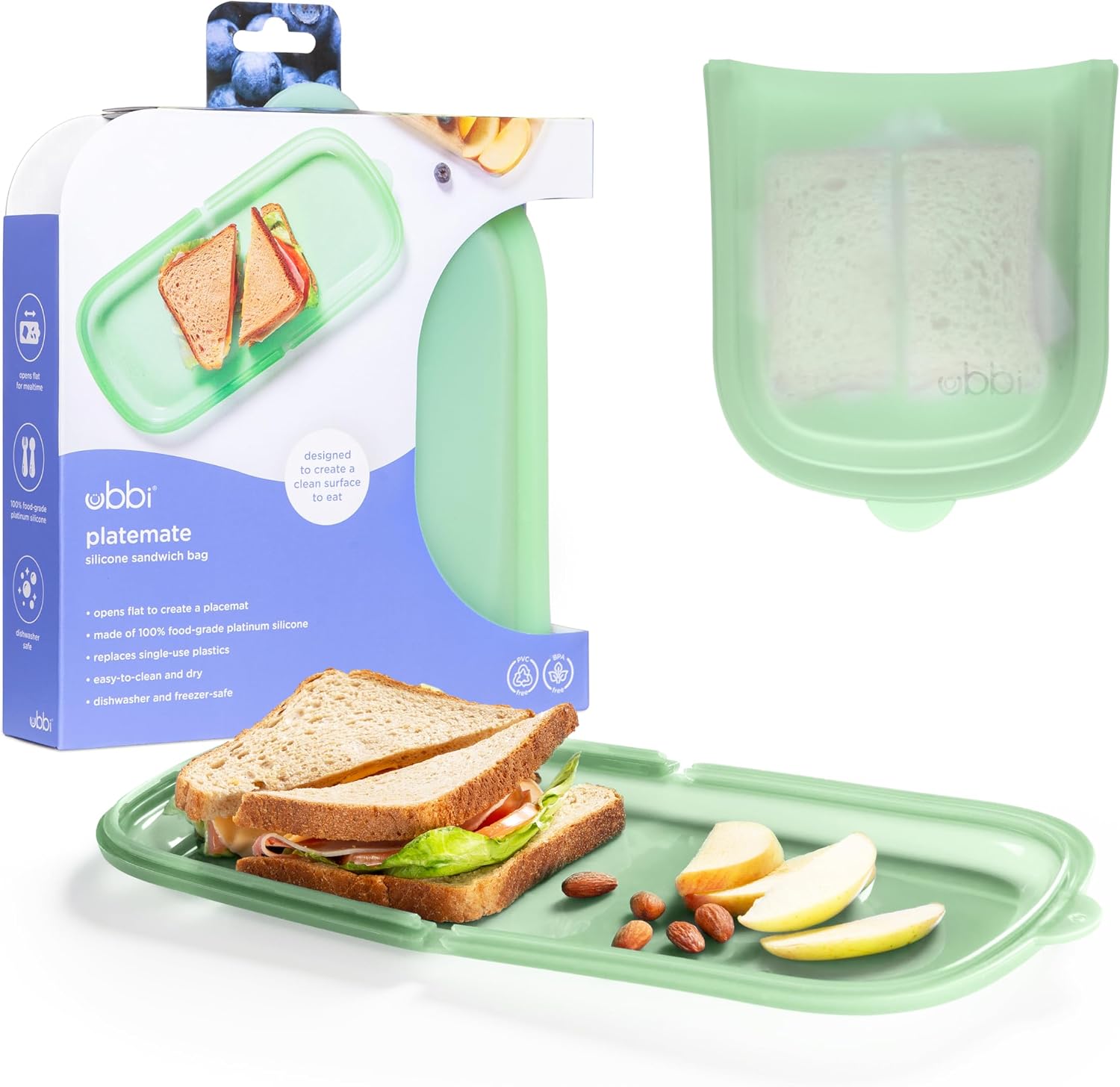
Ubbi Silicone Reusable Storage Bag
A sturdy, airtight silicone bag that replaces disposable zip-top sandwich and snack bags: freezer-safe, dishwasher-safe, and built to last for years.
Read our full review →
Reusable Fabric Bowl Covers (10-pack)
Elasticated fabric covers in five sizes that stretch over bowls and plates in place of cling film or foil: washable, cheerful, and endlessly reusable.
Read our full review →
Bee's Wrap Beeswax Wrap Roll
A washable, compostable roll of beeswax-coated cotton that replaces cling film for wrapping and covering. The best-known name in beeswax wraps, and a genuinely good one.
Read our full review →How long does frozen food keep?
Freezing keeps food safe almost indefinitely, but quality fades over months. As a rough guide: cooked meals and bread 2–3 months, most fruit and veg 8–12 months, at their best. Label dates help you use things while they're still good rather than discovering them freezer-burned a year later.
Thaw it safely
- Best: overnight in the fridge.
- Faster: sealed bag in cold water, changed regularly.
- Avoid: thawing on the counter for hours (the outside warms into the bacteria danger zone).
- Don't refreeze raw food once thawed — though you can freeze it again after cooking it.
Frequently asked questions
What foods should you not freeze? High-water raw veg (lettuce, cucumber), cream-based sauces and plain yoghurt (they split), cooked plain pasta (mushy), whole eggs in the shell, and fried foods (they lose crispness).
How long can you keep food in the freezer? It stays safe almost indefinitely if kept frozen, but quality is best within a few months for cooked meals and bread, and up to 8–12 months for most fruit and veg. Labelling with dates helps.
How do you prevent freezer burn? Remove as much air as possible, fill containers near the top or press bags flat, and wrap items well. Freezer burn is caused by air reaching the food's surface.
Is it safe to thaw food on the counter? No — thaw in the fridge, or in cold water in a sealed bag. Counter-thawing leaves the outside in the bacteria danger zone while the middle is still frozen.
The bottom line
If something's about to spoil and you can't eat it in time, freeze it. Cool first, portion, squeeze out the air, freeze flat, and always label and date — that last habit is what turns your freezer from a graveyard into a genuine anti-waste tool. Thaw in the fridge, and you'll rescue a steady stream of food that would otherwise have hit the bin.
Keep reading: How to Pack a Zero-Waste Lunch, How to Recycle Properly (What's Actually Recyclable), and How to Reduce Food Waste at Home.