Most household plastic comes home from the supermarket — wrapped around produce, bagging the bread, bottling everything. Package-free grocery shopping tackles the problem at the source: bring your own containers, buy loose and in bulk, and a huge slice of your weekly waste simply disappears.
It takes a little planning at first, then becomes second nature. Here's a beginner's guide to shopping package-free without making it a chore.
Build your shopping kit
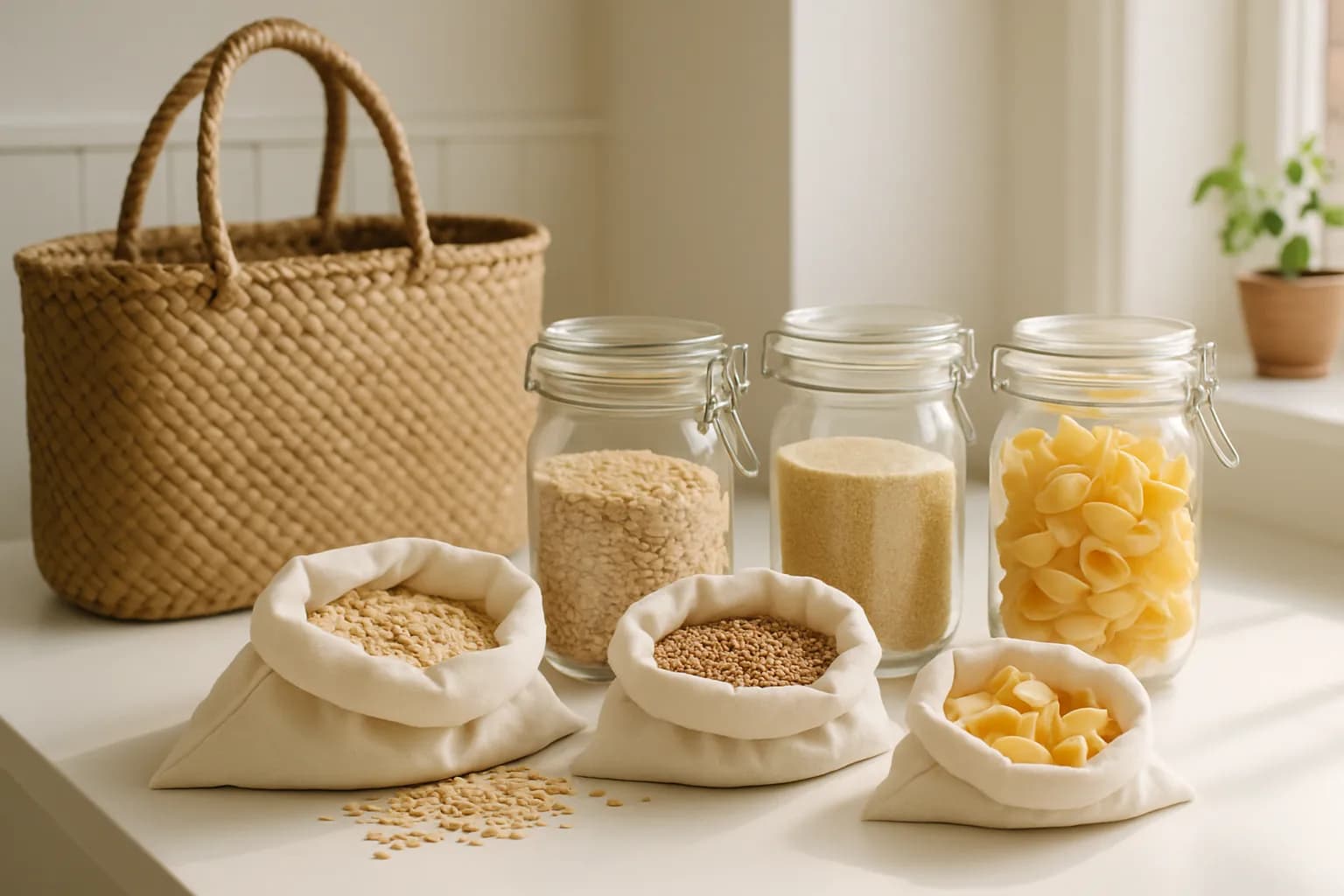
- Cloth tote bags and a woven basket.
- Mesh or cloth produce bags.
- A few jars and lidded containers.
- A reusable water bottle and coffee cup.
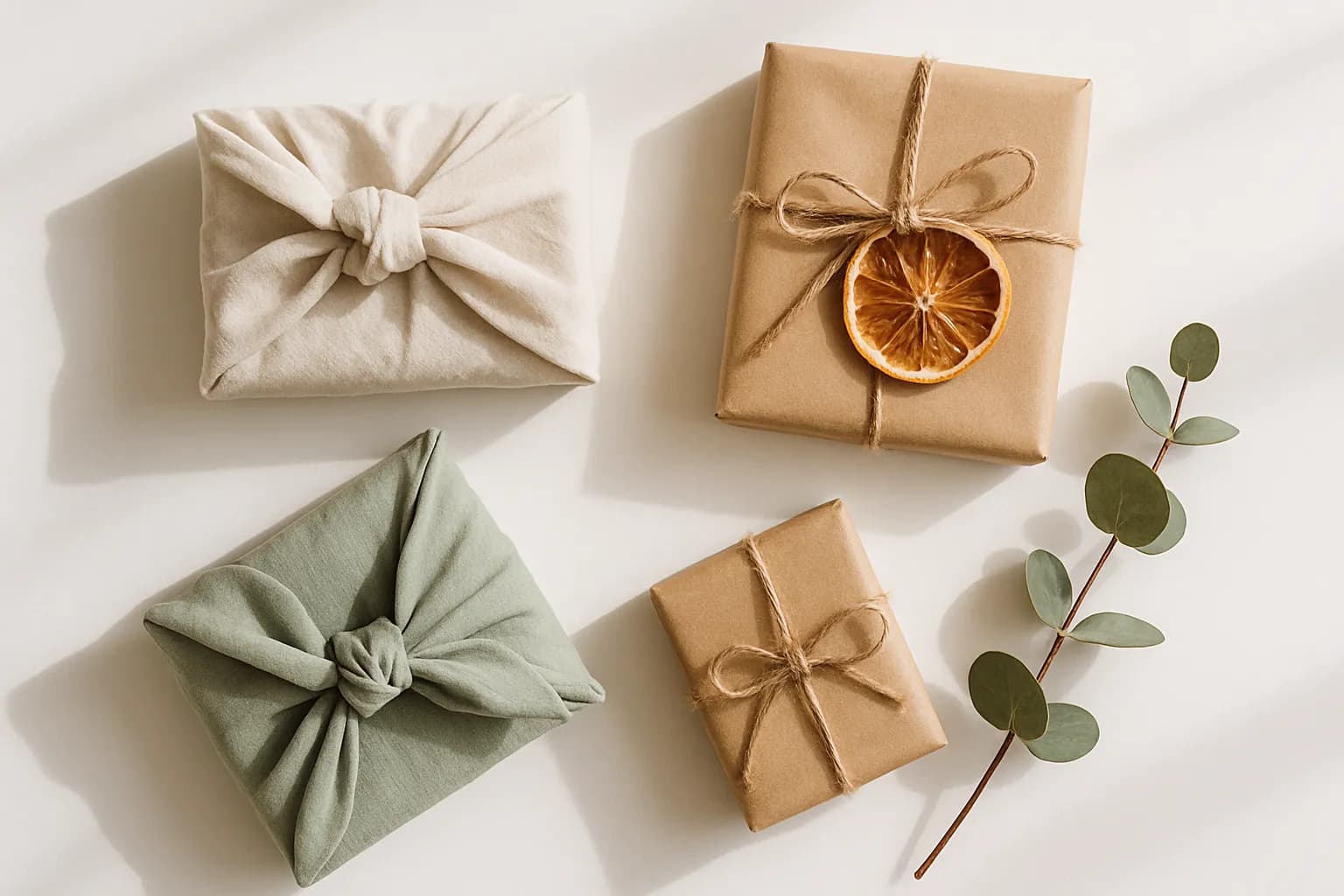
- A bread bag or beeswax wrap.
Ecoxee is an Amazon Associate and may earn from qualifying purchases through these links. Learn more.

Organic Cotton Mesh Produce Bags (13-pack)
A washable set of organic-cotton mesh bags that replace the flimsy plastic produce bags at the grocery store. One of the cheapest, easiest zero-waste swaps, and one you will use every week.
Read our full review →
Bee's Wrap Beeswax Wrap Roll
A washable, compostable roll of beeswax-coated cotton that replaces cling film for wrapping and covering. The best-known name in beeswax wraps, and a genuinely good one.
Read our full review →
Owala FreeSip Insulated Stainless Steel Water Bottle
A leakproof, vacuum-insulated bottle with the cleverest lid on the market. One of the best reusable bottles you can buy, if you actually need one.
Read our full review →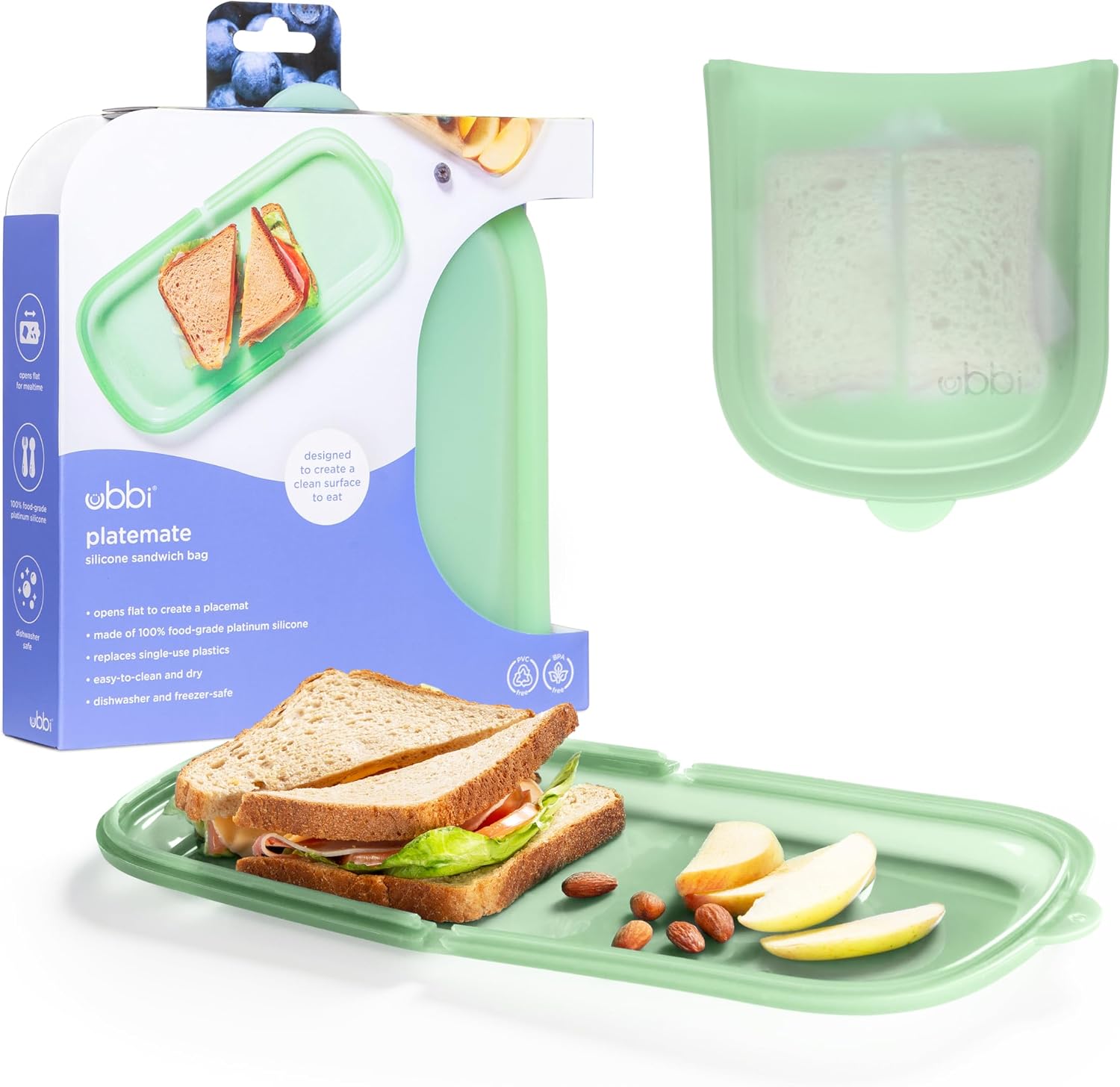
Ubbi Silicone Reusable Storage Bag
A sturdy, airtight silicone bag that replaces disposable zip-top sandwich and snack bags: freezer-safe, dishwasher-safe, and built to last for years.
Read our full review →Where to shop package-free
Bulk and refill stores cover dry goods, oils, and cleaning liquids; farmers markets and greengrocers have loose produce; and butchers, delis, and bakeries will often fill your own container. Honest caveat: not everyone has a dedicated zero-waste shop nearby — do what your area allows, and remember even buying loose produce at the regular supermarket makes a real dent.
How bulk bins work
- Weigh your empty jar or bag first (the "tare") and note it, or ask staff to.
- Fill it with what you need.
- At the till, the tare is subtracted, so you only pay for the contents.
What's easiest to buy loose
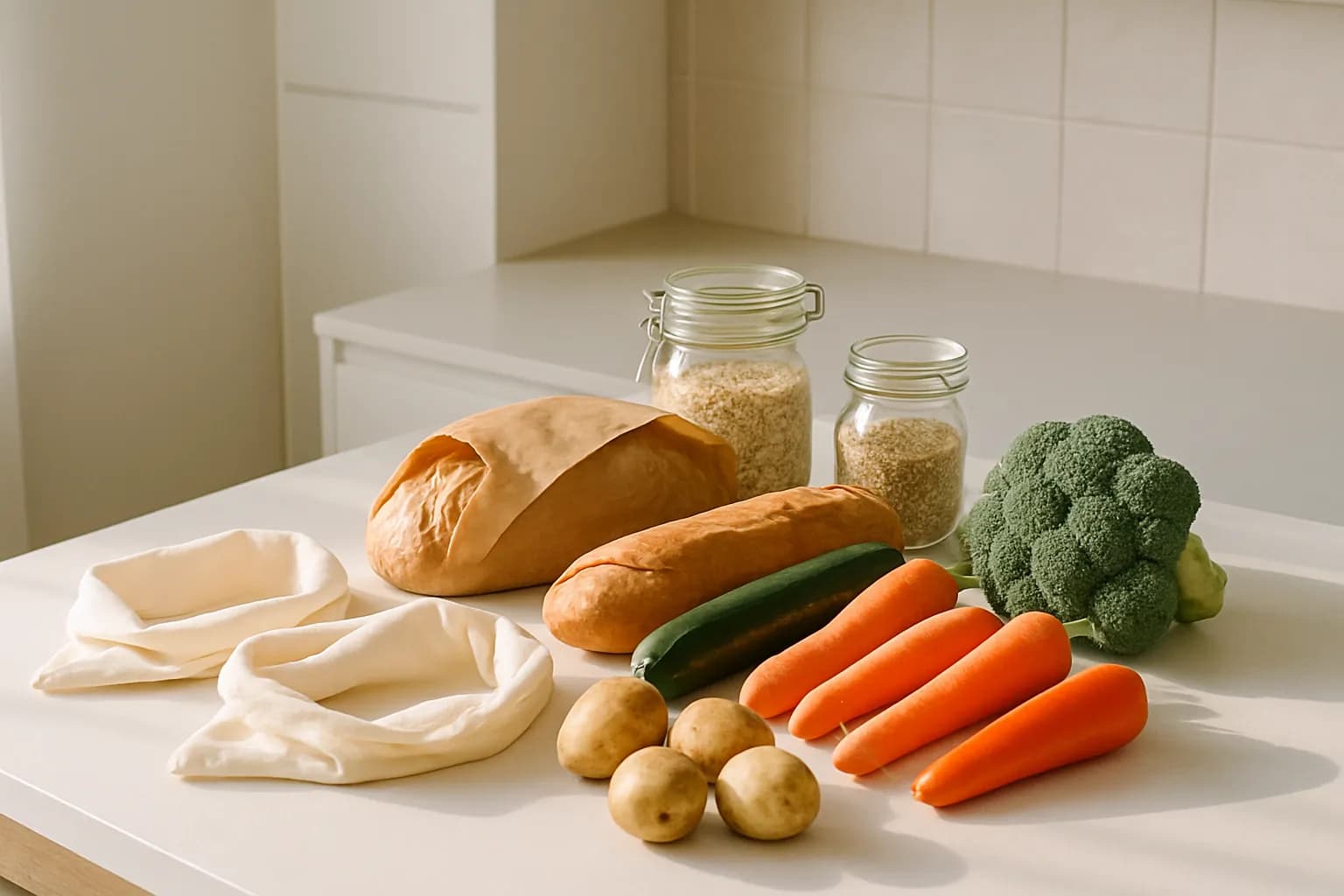
Fruit and vegetables, dry goods (rice, pasta, oats, lentils, nuts, flour), bread, cheese and deli items, oils and vinegars on refill, coffee and tea, and cleaning liquids at refill stations.
Common beginner mistakes
The habit sticks faster if you sidestep the usual stumbles:
- Forgetting the tare. Weigh (or note) your empty jar first, or you'll be charged for the glass. Most bulk stores will tare it for you if you ask.
- Leaving your kit at home. The single biggest barrier is not the shop, it is arriving without your bags and jars. Stash a folded set in every tote and coat pocket.
- Trying to go 100% overnight. Start with produce, add categories as the rhythm sets in, and do not let one packaged item derail the whole shop.
- Over-buying because it's loose. Bulk bins make it easy to over-scoop; buy what you'll actually finish, or it goes stale before you use it.
Make it stick
Start with one category — produce is the easiest — and add more as you get the rhythm. Don't chase perfection; plan your meals so you know what to buy, and decant everything into your plastic-free pantry when you get home.
How package-free is your weekly shop? Share your best trick in the comments at ecoxee.com — we're building a map of what actually works.
Keep reading: Are Compostable Plastics Actually Eco-Friendly?, Common Recycling Myths, Debunked, and Compostable vs Biodegradable: The Difference.