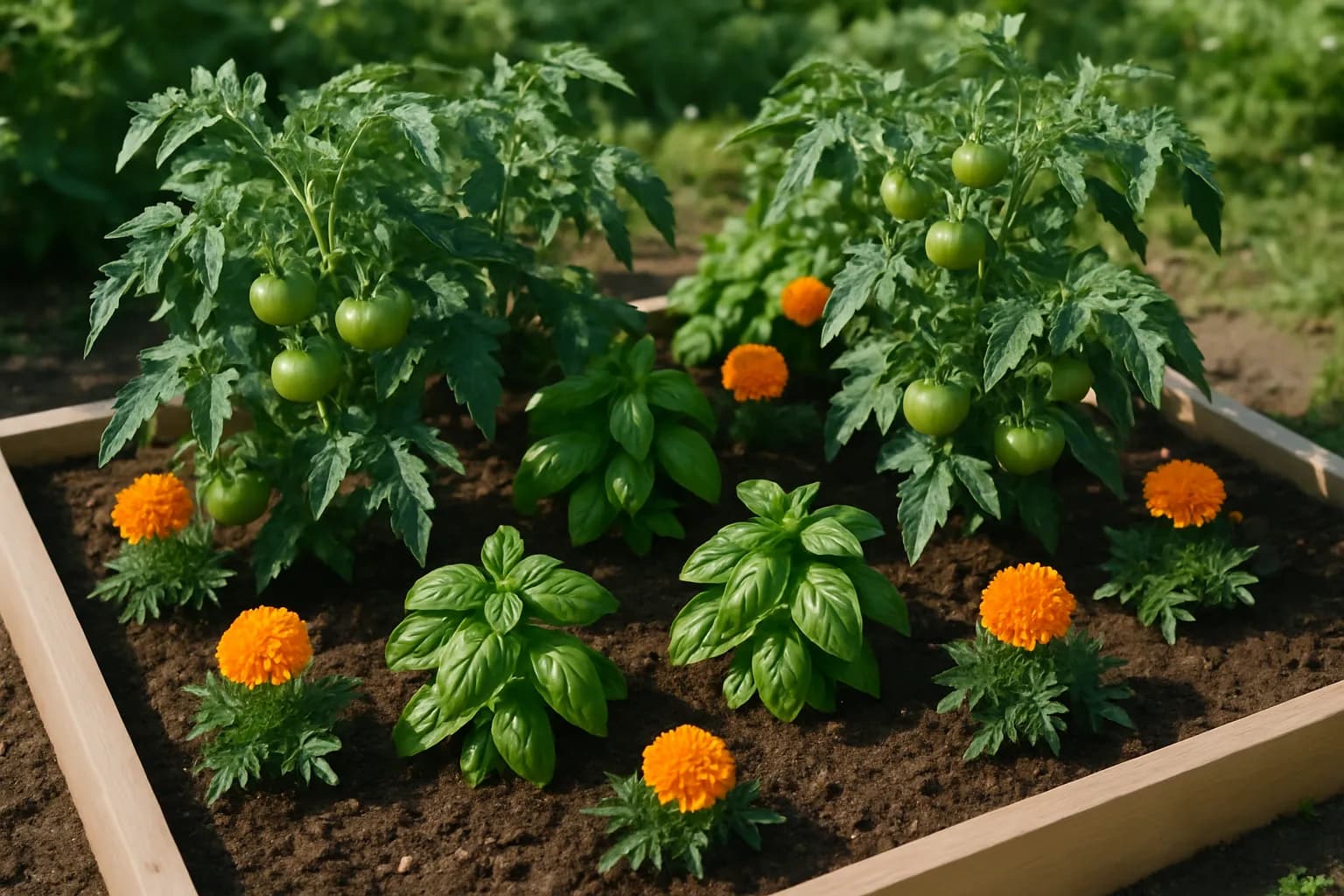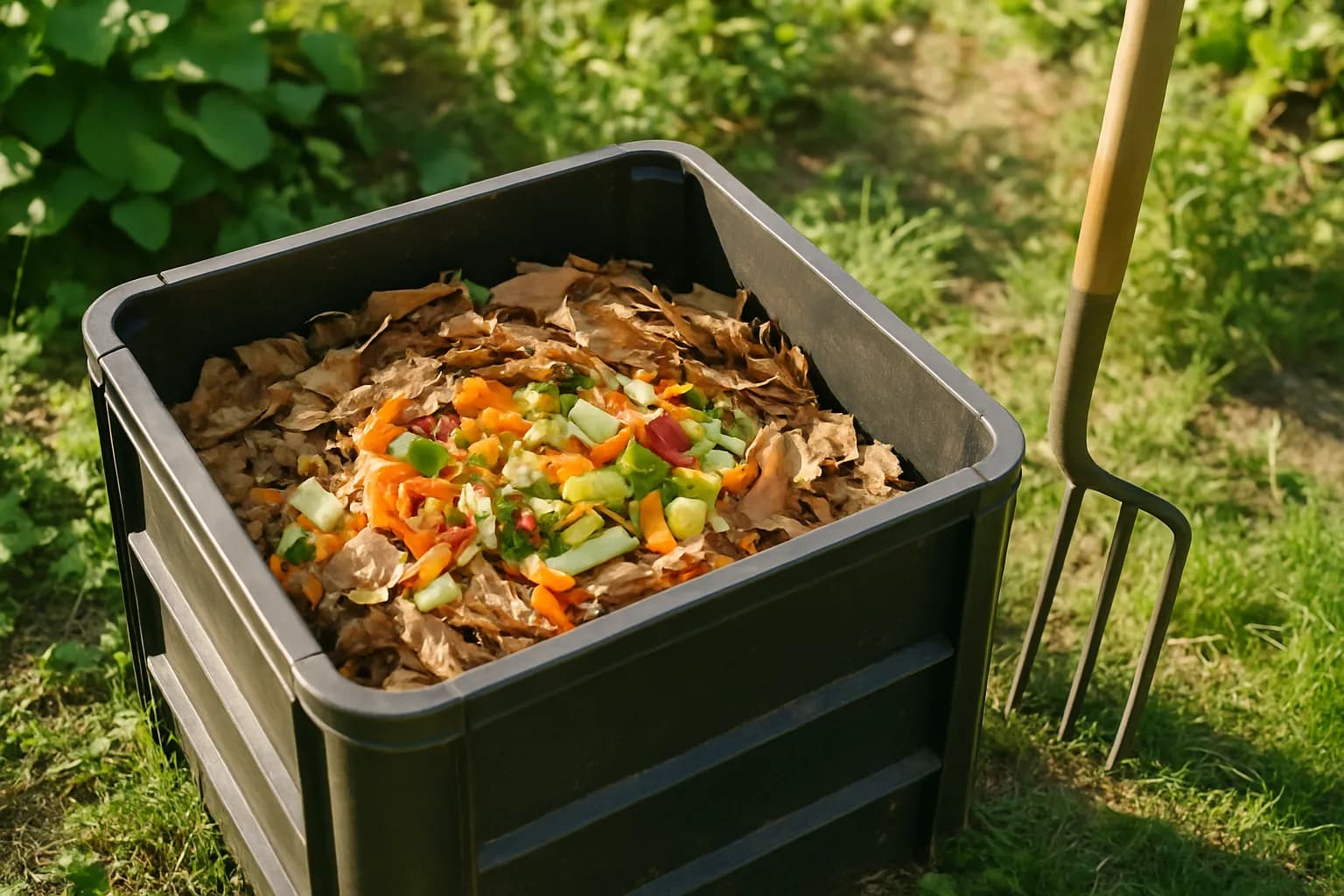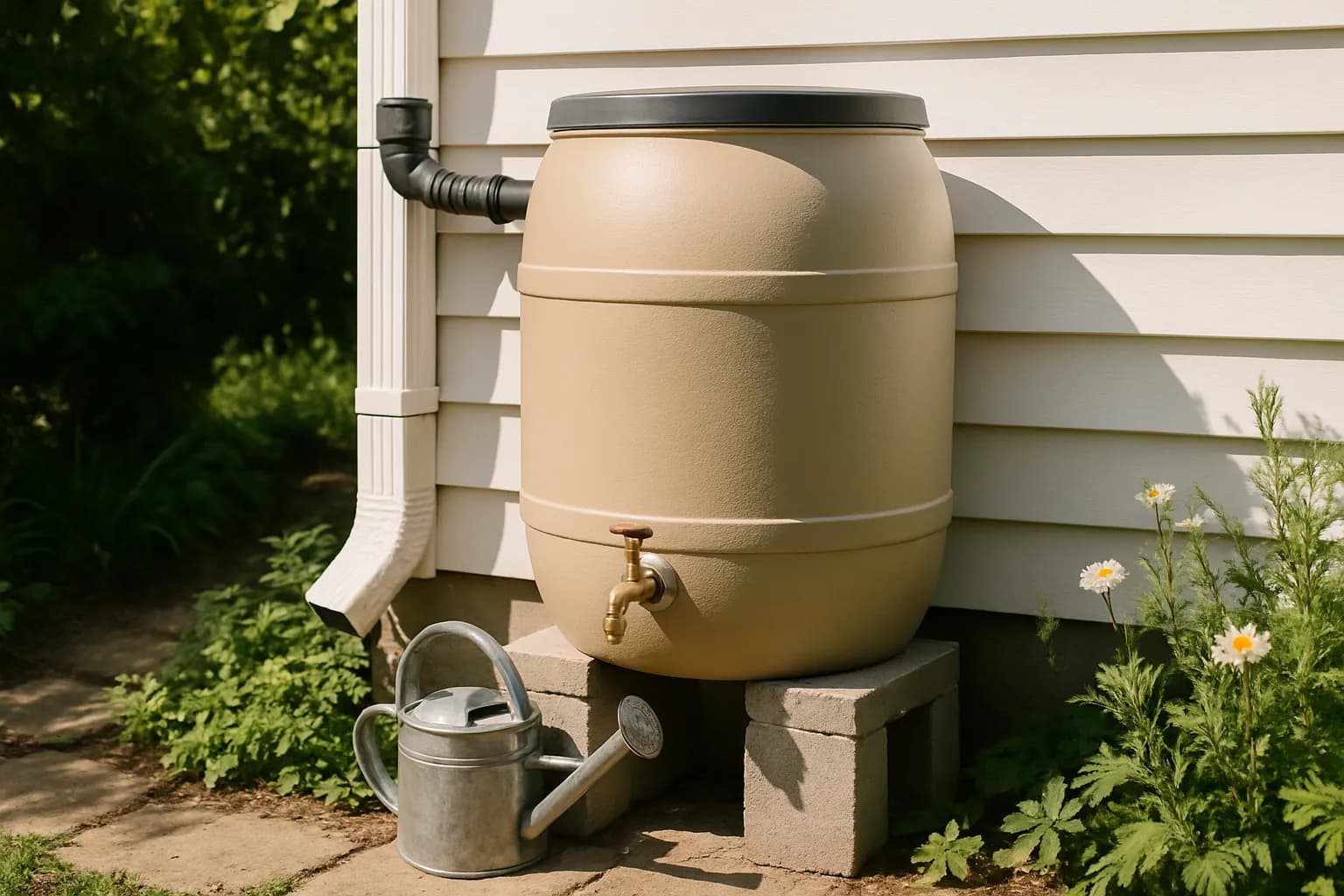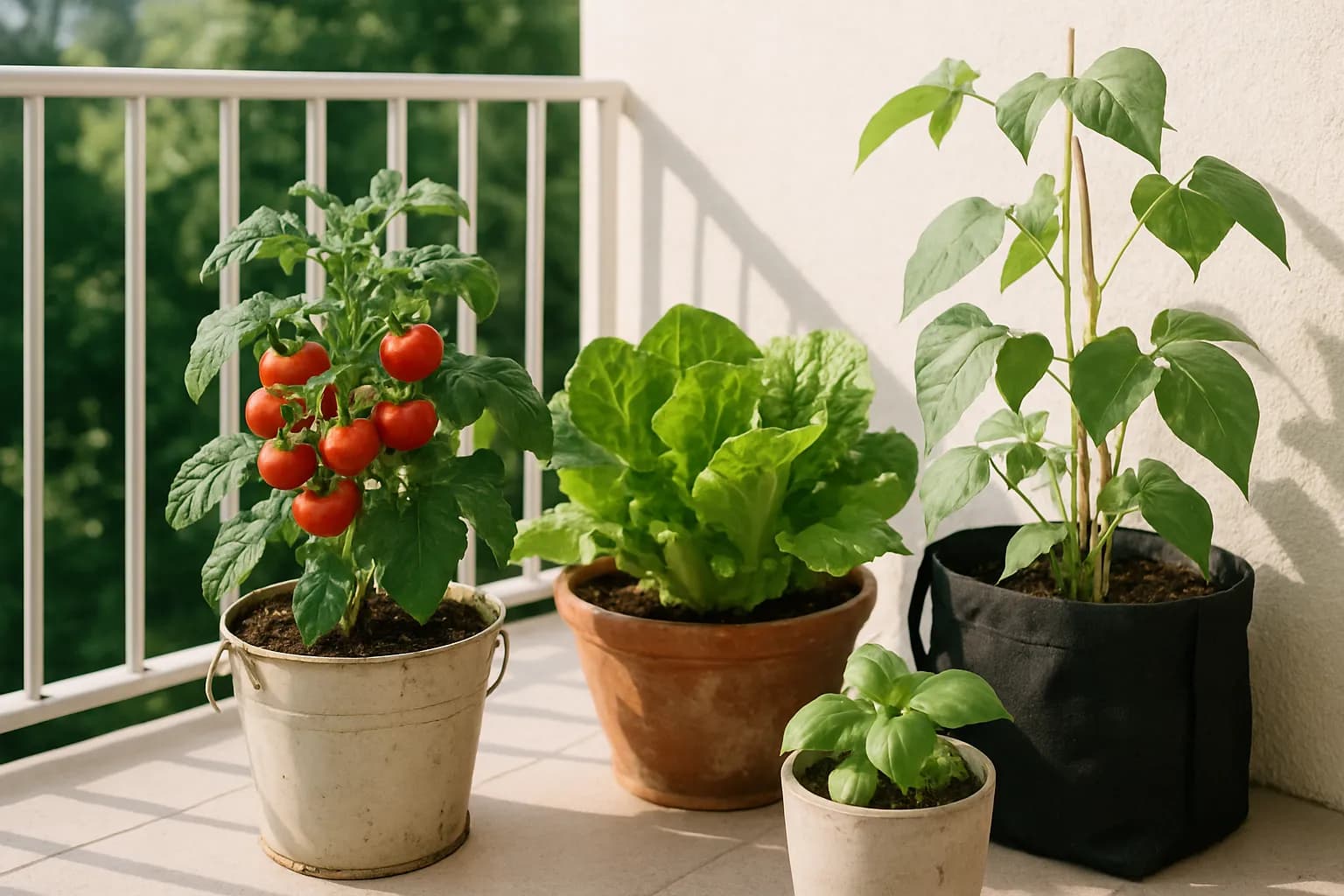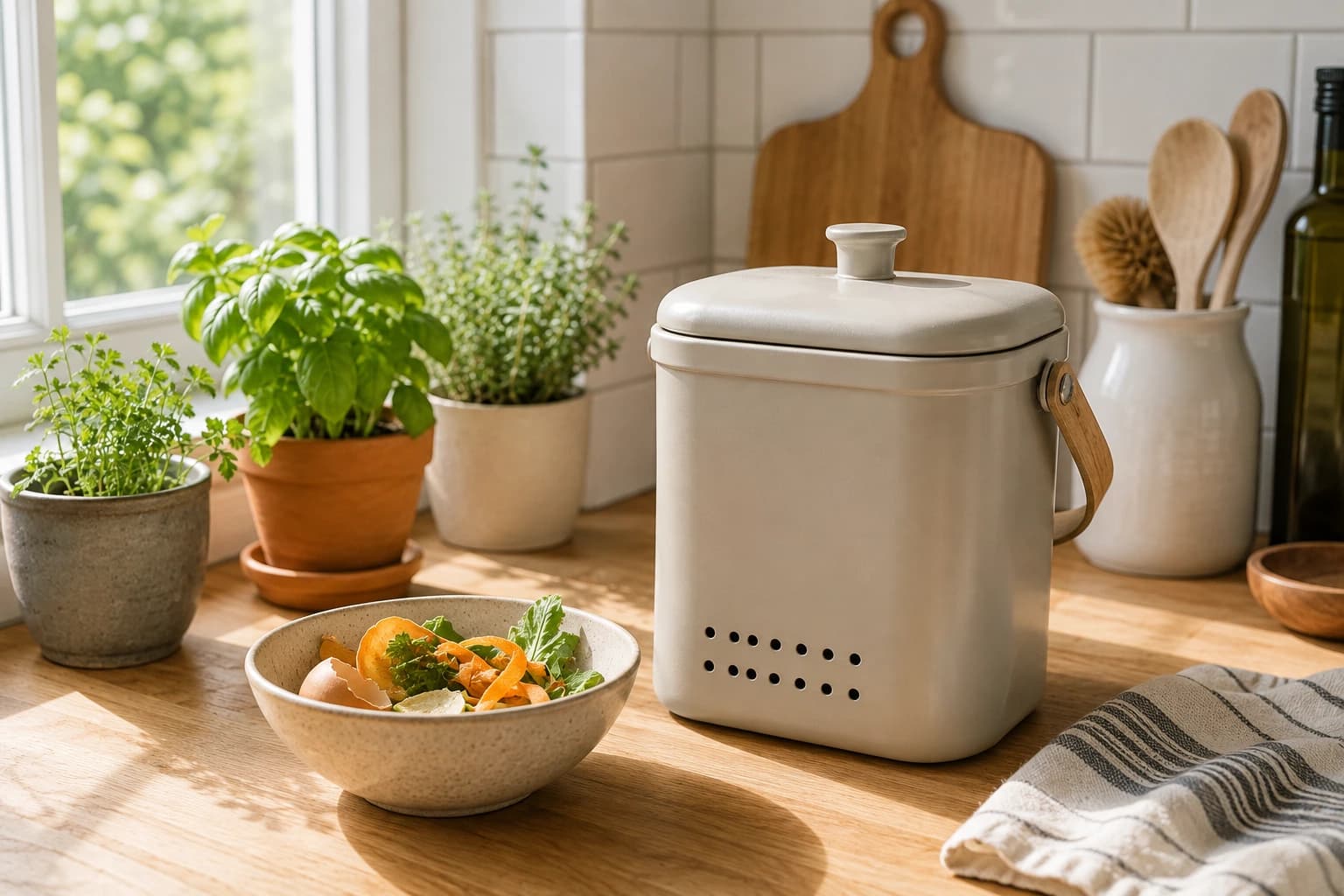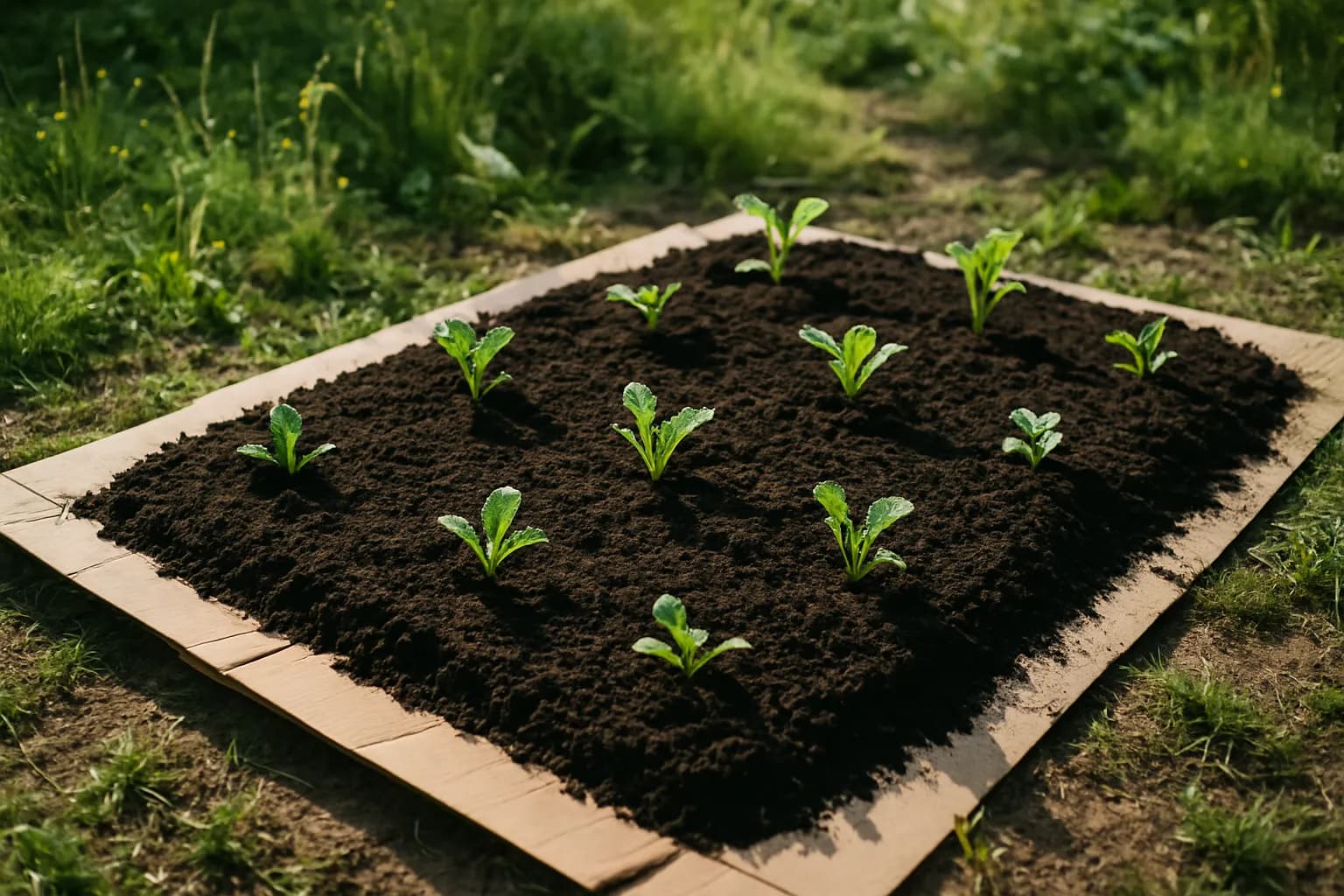
What if the secret to a healthier, more productive garden was doing less work? No-dig gardening skips the backbreaking digging and tilling entirely — instead you build the bed upward with layers of compost, letting the worms and microbes do the mixing for you.
The result is better soil, fewer weeds, and stronger plants, with a fraction of the effort. Here's how to start a no-dig bed, even right over a patch of lawn.
Why no-dig works
Digging destroys soil structure, breaks up the fungal networks and worm channels that keep soil healthy, and drags buried weed seeds to the surface to germinate. Leaving the soil undisturbed keeps it alive, draining and holding water better, and smothering weeds from above — less work, better results.
How to start a no-dig bed
- Choose your spot — there's no need to clear the grass or weeds first.
- Lay cardboard (plain, with tape and staples removed) or thick newspaper over the whole area, overlapping the edges, and water it well. This smothers grass and weeds.
- Spread compost — a thick layer, around 4–6 inches, of compost or well-rotted manure on top.
- Plant straight into the compost layer.
- Top up yearly with a fresh couple of inches of compost. No digging, ever.
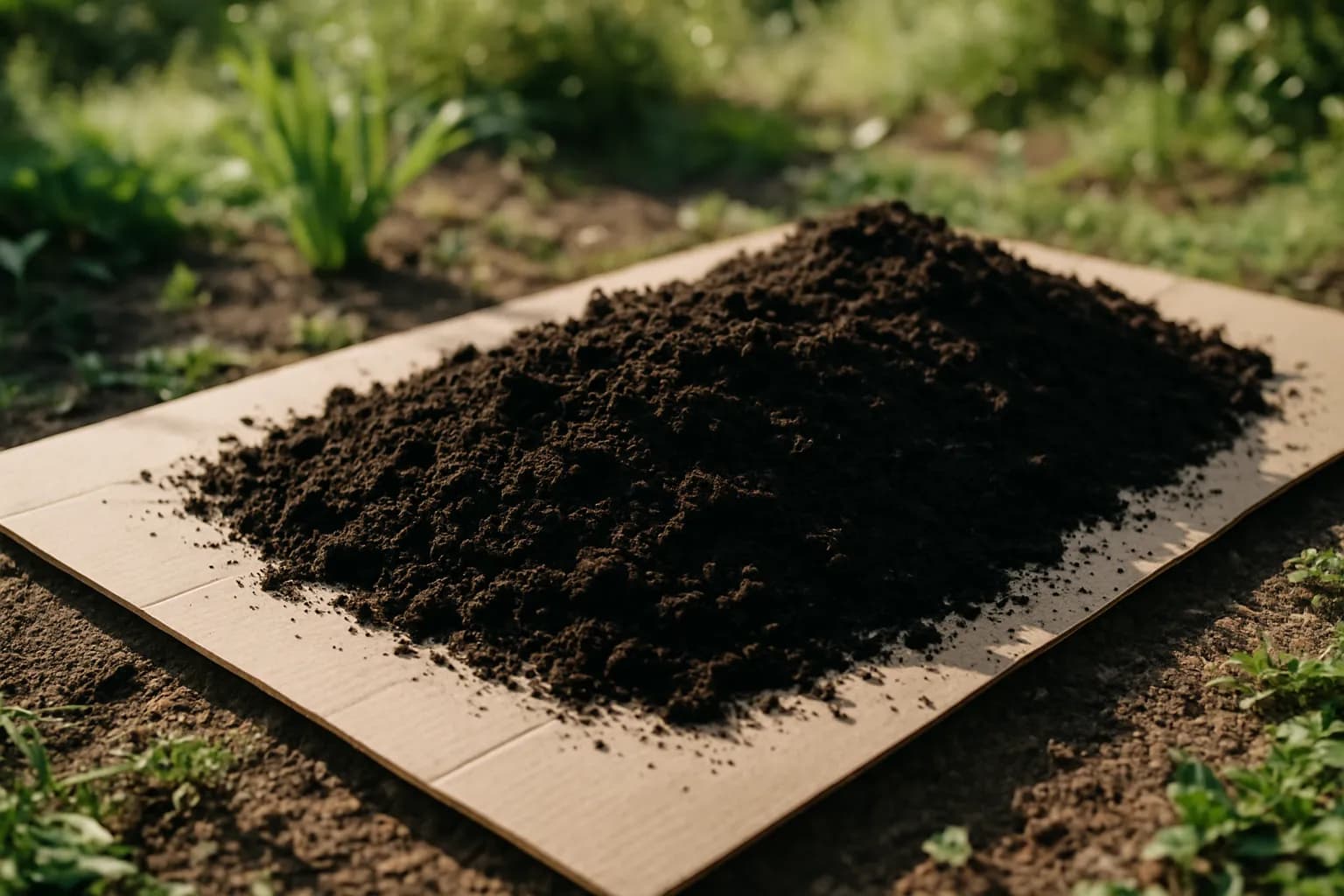
Planting and upkeep
Plant into the compost as normal — sow seeds into a fine layer or plant module-grown seedlings, and the cardboard rots away within months as roots grow through. After that, just add compost each year, mulch the surface, and never walk on the beds, which compacts the soil. Let the worms do the digging.
It pairs naturally with a mulching routine to protect all that lovely compost.
Started a no-dig bed? Share how it's growing in the comments at ecoxee.com — before-and-afters welcome.
Keep reading: A Beginner's Companion Planting Guide, Composting for Beginners: How to Start, and How to Attract Pollinators to Your Garden.