A garden buzzing with bees and butterflies isn't just beautiful — it's more productive, because pollinators are what turn your flowers into fruit and vegetables. The good news: you can attract pollinators to almost any space, from a full border to a single balcony pot.
Here's how to make your garden a pollinator magnet all season long, with one big rule that matters more than the rest.
Plant a variety of flowers
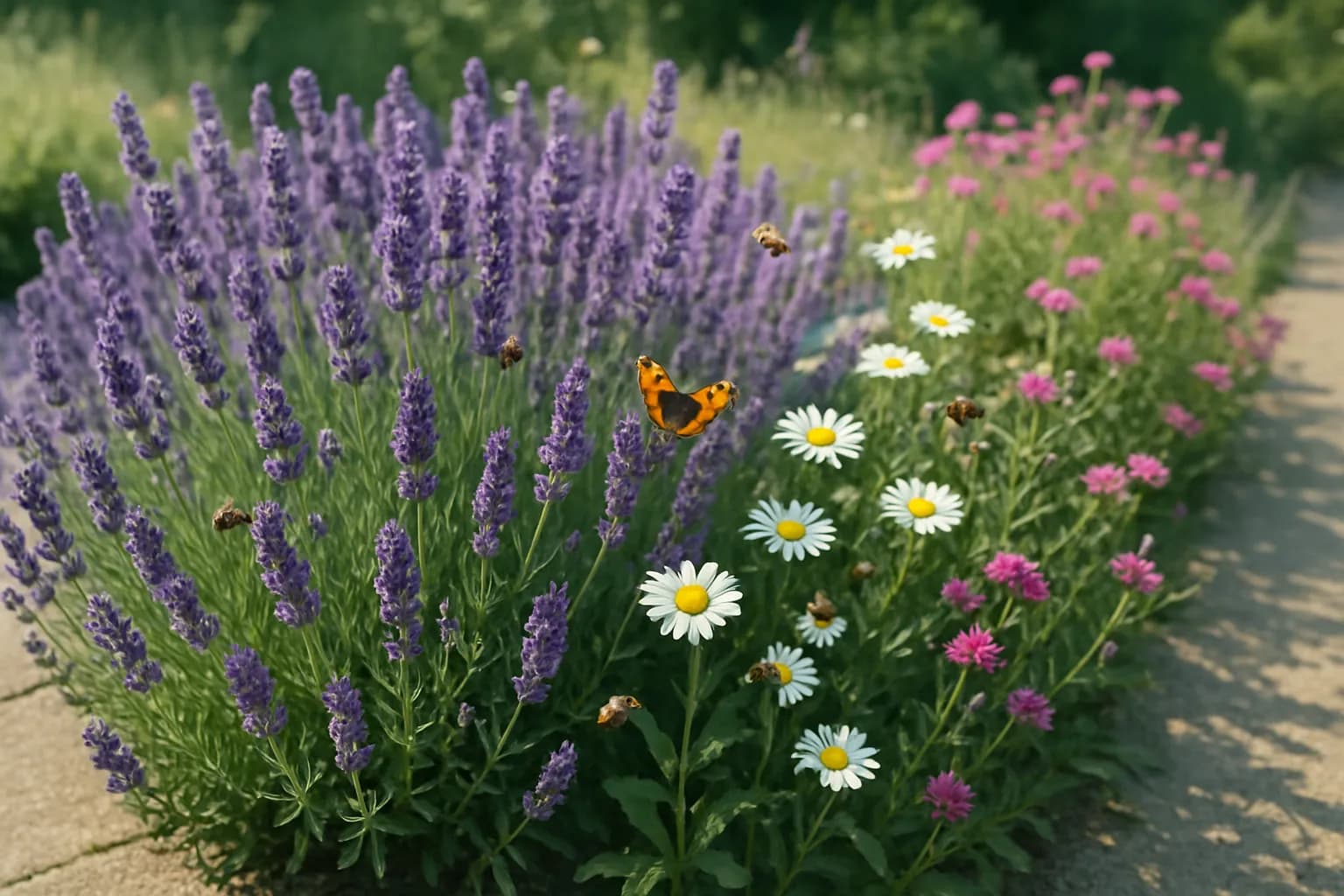
Different shapes, colors, and sizes suit different pollinators. Bees are drawn to purple, blue, and yellow, and single flowers (not frilly doubles) give them easy access to nectar.
Plant for all-season bloom
Aim for something in flower from spring through autumn so there's always food. Early bloomers (crocus, willow) and late ones (ivy, sedum) matter most, when little else is out.
The best pollinator plants
Lavender, borage, catmint, foxglove, echinacea, cosmos, and sunflowers are all magnets — and herbs like thyme, oregano, and chives are brilliant if you let them flower. Native plants and wildflowers do the most good.
Give them water and shelter
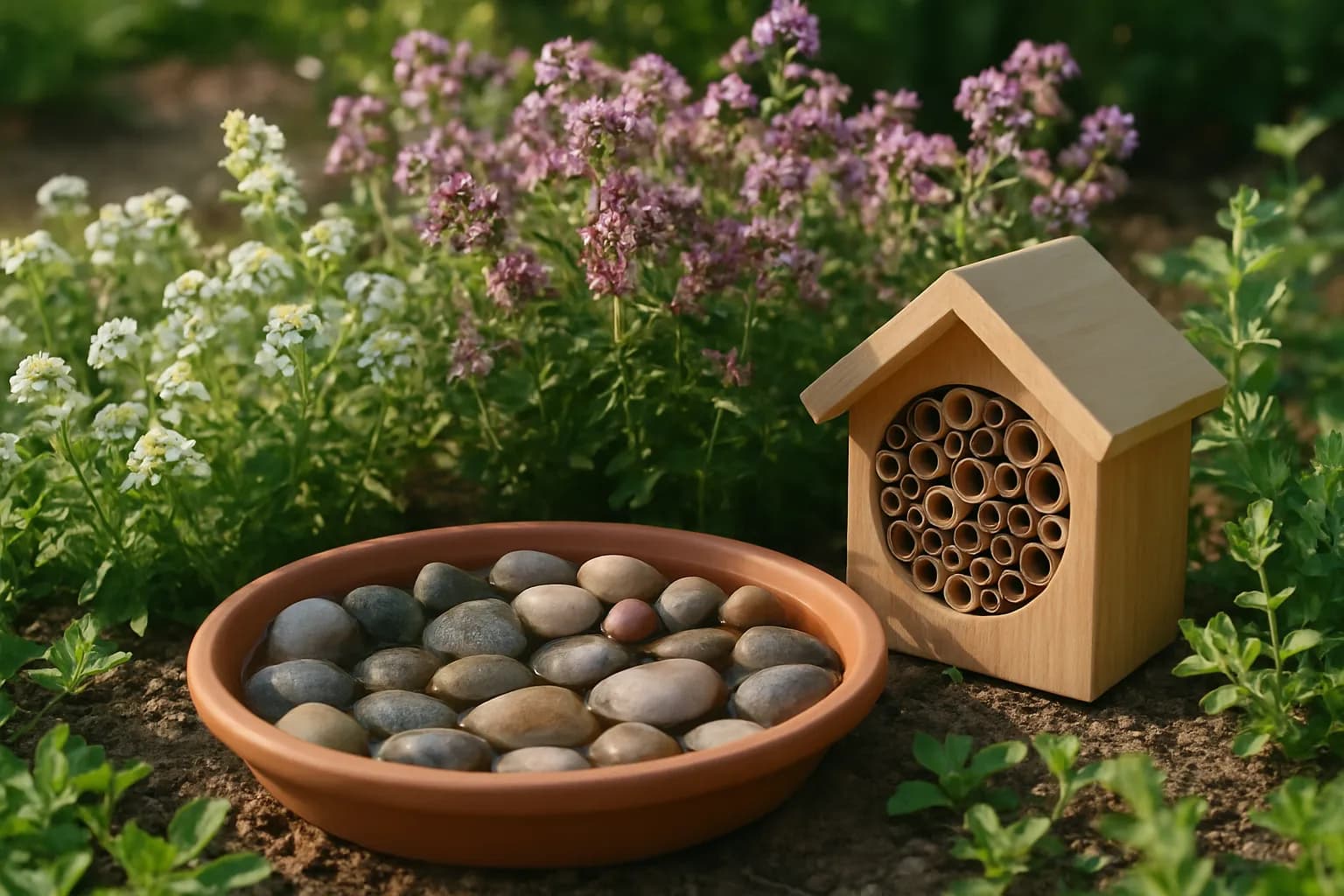
- A shallow dish with pebbles to land on for a safe drink.
- A bee hotel or bug house, and a patch of bare ground for solitary, ground-nesting bees.
- A small wild corner left a little untidy.
The one big rule
Skip the pesticides — they kill pollinators along with the pests. Use natural pest control instead, and never spray anything, even organic, onto open flowers.
Even in the smallest space
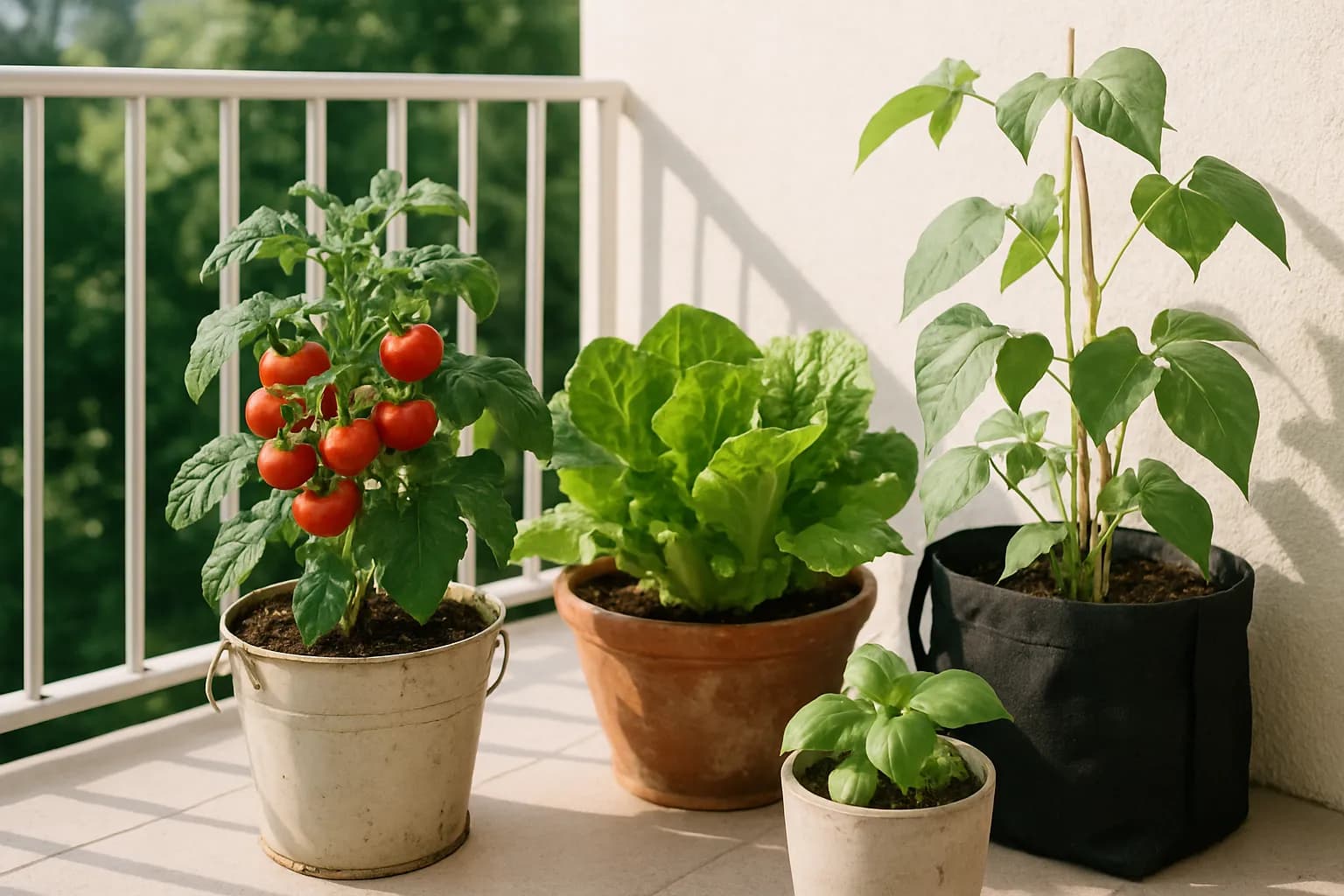
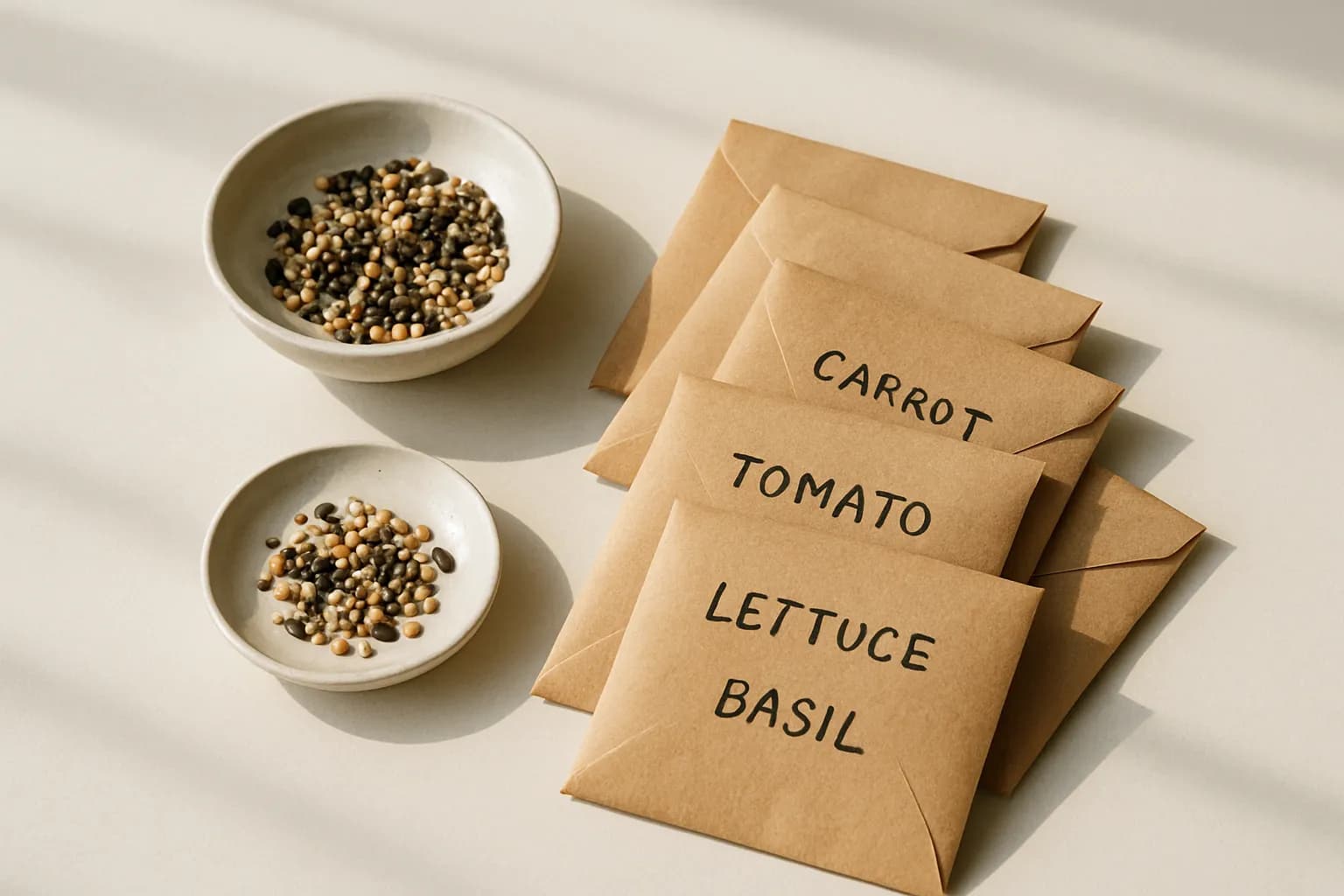
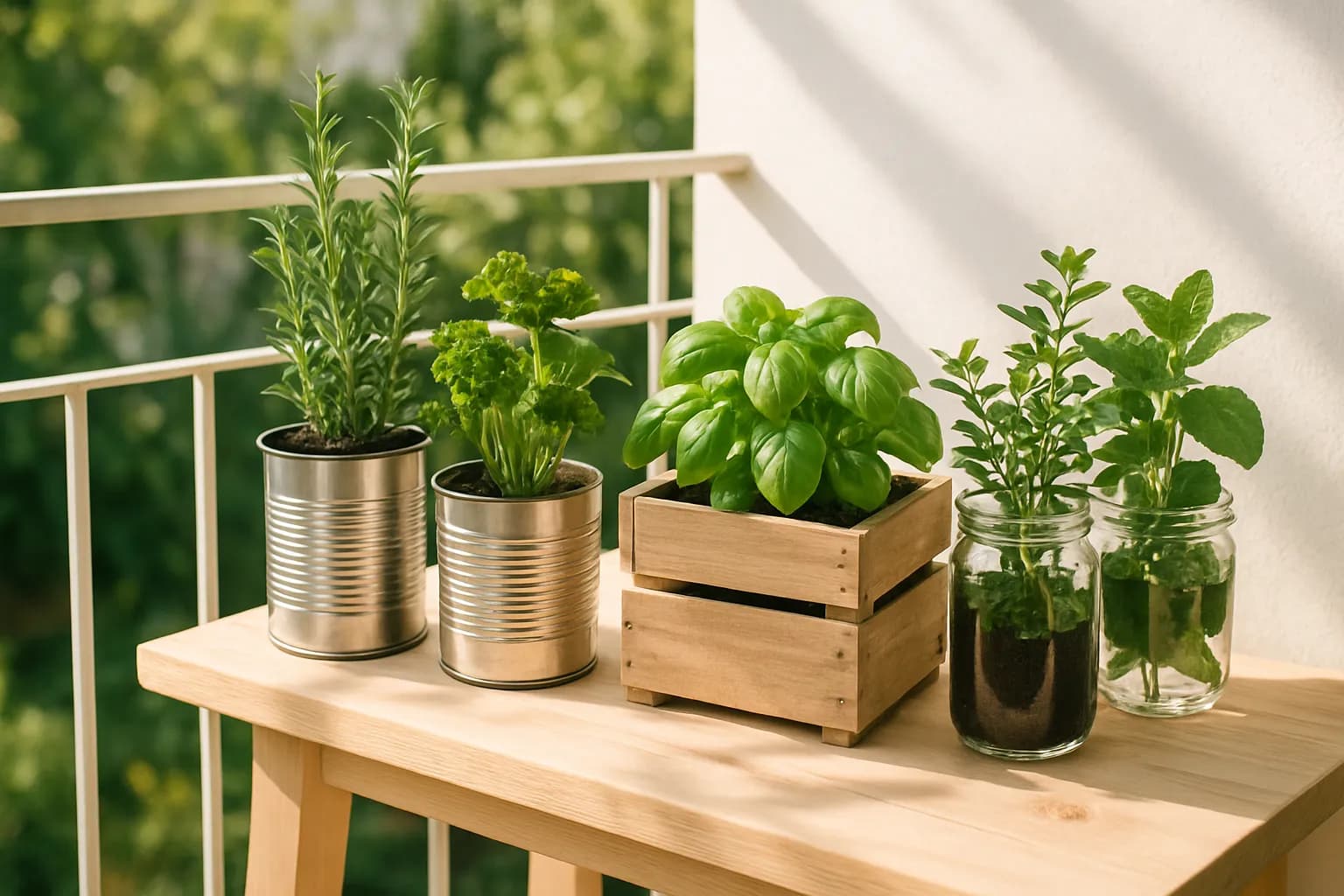
A single pot of lavender and some herbs left to flower on a balcony does real work. And kids can pitch in by making native-wildflower seed bombs to scatter.
Which plant pulls in the most bees for you? Share it in the comments at ecoxee.com — let's build the ultimate pollinator list.
Keep reading: How to Set Up a DIY Rain Barrel, Vegetable Container Gardening for Small Spaces, and Apartment Composting: No Garden, No Smell.