Companion planting is the old gardener's trick of growing certain plants together so they help each other — deterring pests, improving flavor, attracting pollinators, or just making better use of space. Some pairings are backed by solid science and others by generations of tradition, but the best ones genuinely make a vegetable garden healthier.
Here's a beginner-friendly guide to what to plant with what, and what to keep apart.
How companion planting helps
Good pairings can repel or trap pests, pull in beneficial insects and pollinators, provide shade or support, and make the most of vertical and ground space. Treat these as helpful guidelines rather than guarantees — plenty is traditional wisdom.
Classic pairings that work
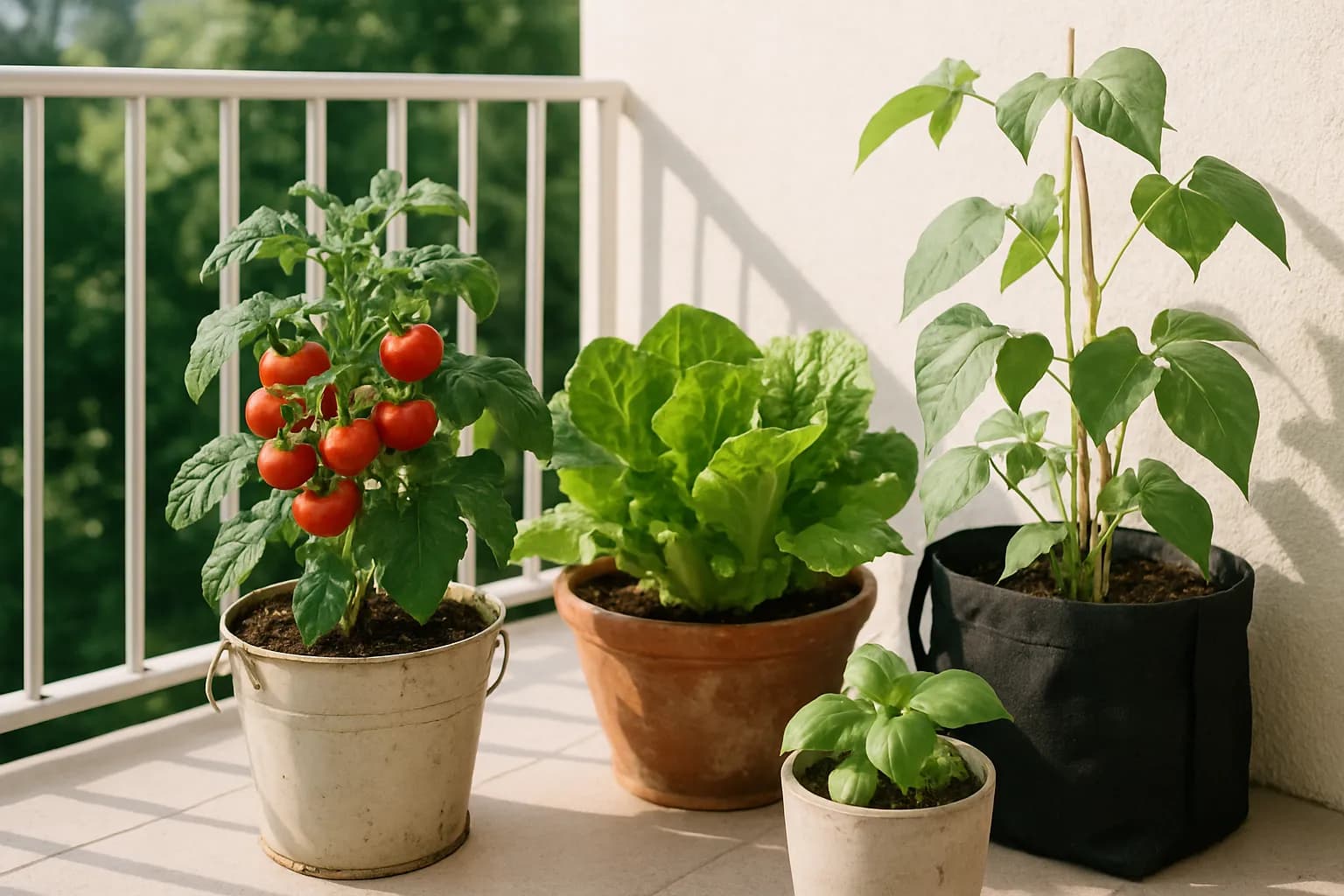
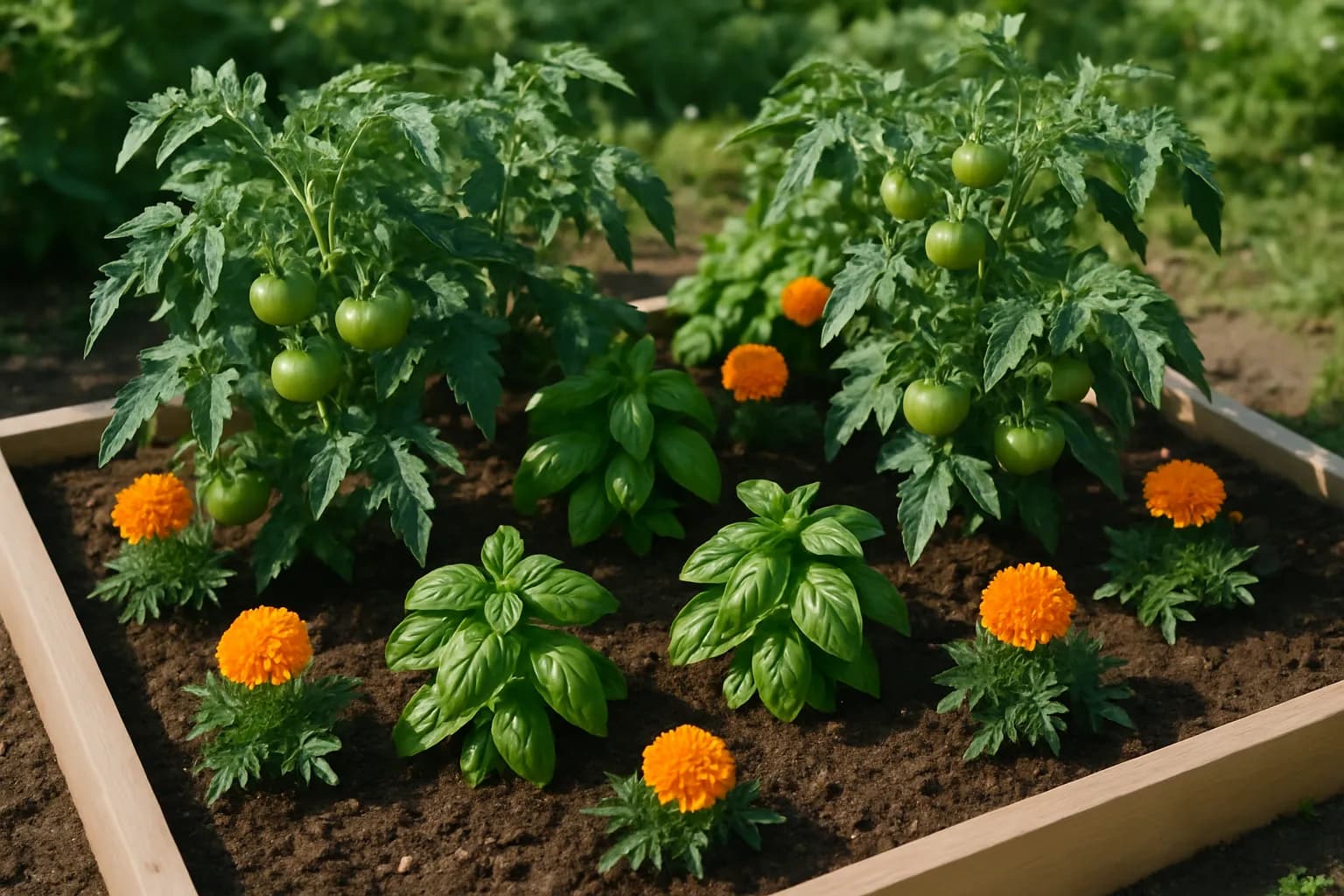
- Tomatoes + basil + marigold — basil is said to improve flavor and deter pests; marigolds discourage soil nematodes.
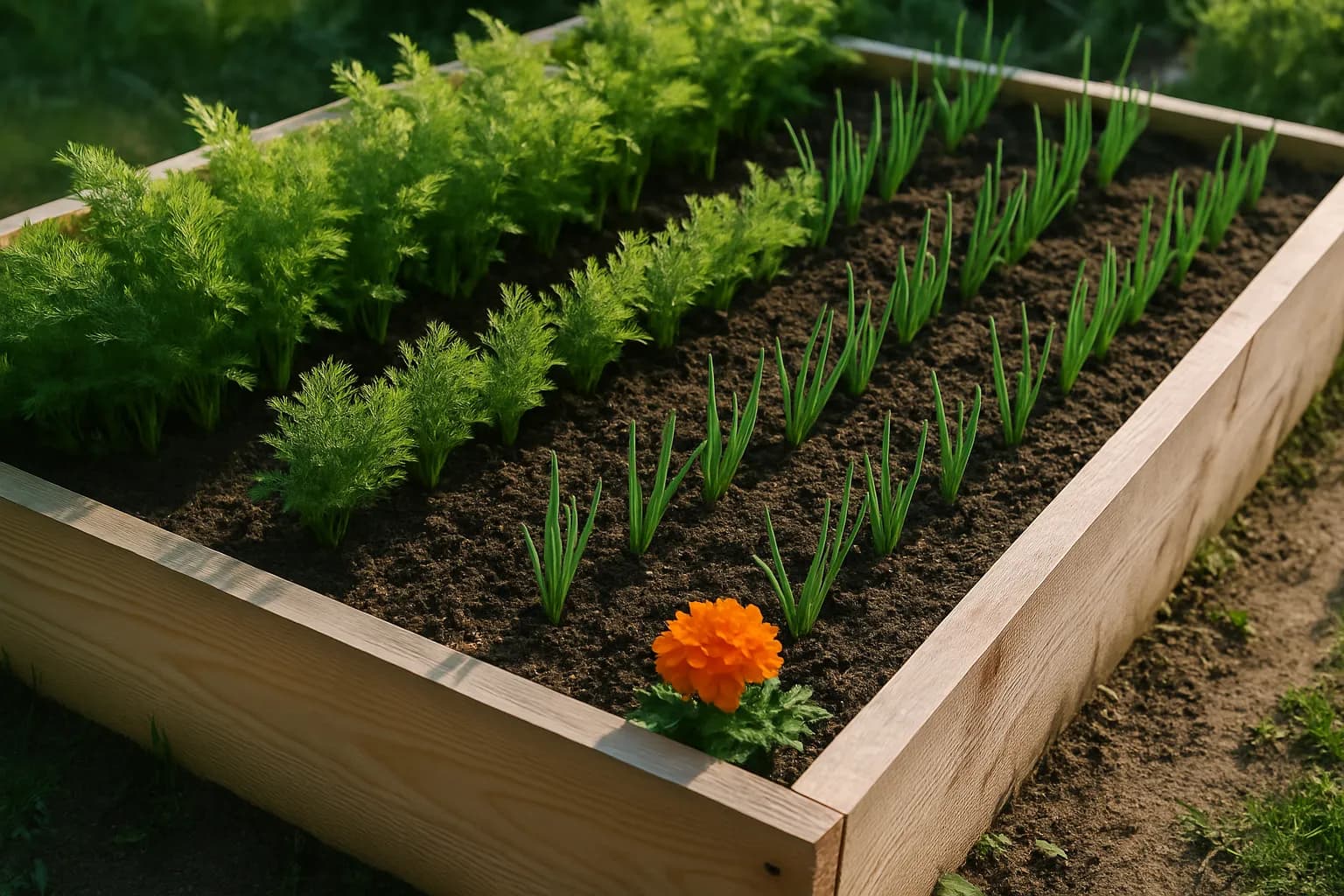
- Carrots + onions or leeks — each one's smell confuses the other's flying pest.
- The Three Sisters (corn + beans + squash) — corn supports the beans, beans fix nitrogen, and squash shades the soil and suppresses weeds.
- Lettuce under tall crops — the shade delays bolting in summer heat.
- Nasturtiums with brassicas or beans — a trap crop that lures aphids and caterpillars away.
- Marigolds with almost everything — they deter some pests and attract hoverflies.
Keep these apart
- Onions and garlic away from beans and peas, which they can stunt.
- Fennel away from most crops — it inhibits nearby growth.
- Potatoes away from tomatoes, since they share diseases.
- Mint in its own pot, always, or it takes over.
A simple beginner's starter plan
If the charts feel like a lot, plant just this one bed first and you get most of the benefits:
- Tomatoes with basil tucked between them and a marigold at each end.
- A row of carrots alternating with onions or leeks.
- Lettuce in the shade of the taller tomatoes.
- Nasturtiums trailing along one edge as a living aphid trap.
It looks good, needs no chart, and covers pest-deterring, pollinator-attracting and space-saving all at once. Expand from there once you see what works in your garden.
Putting it into practice
Interplant rather than growing everything in solid blocks, rotate your crops each year, and lean on companion planting as one layer of your natural pest control.
Got a pairing that transformed your garden? Share it in the comments at ecoxee.com — we're always testing new combinations.
Keep reading: Composting for Beginners: How to Start, How to Attract Pollinators to Your Garden, and How to Set Up a DIY Rain Barrel.