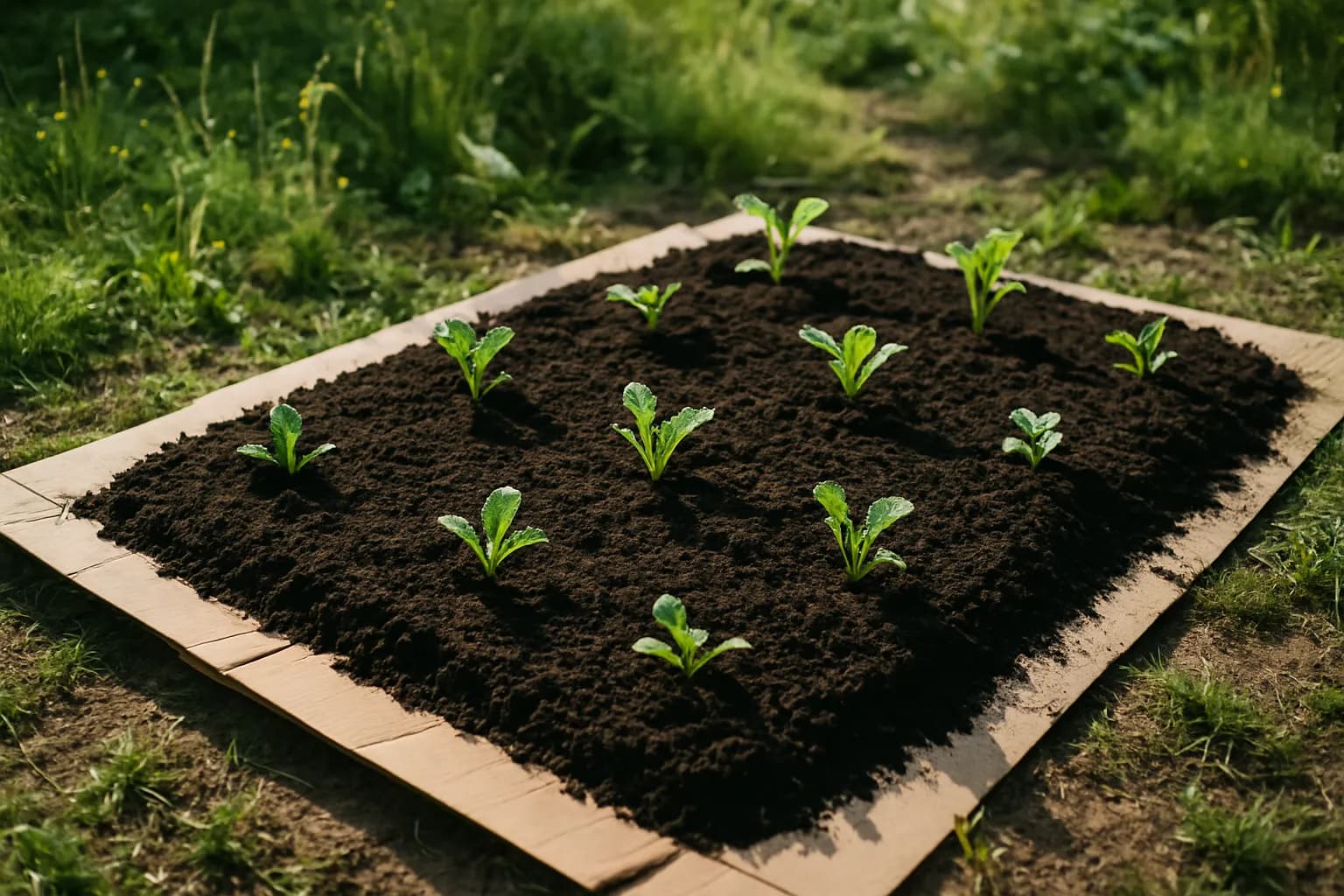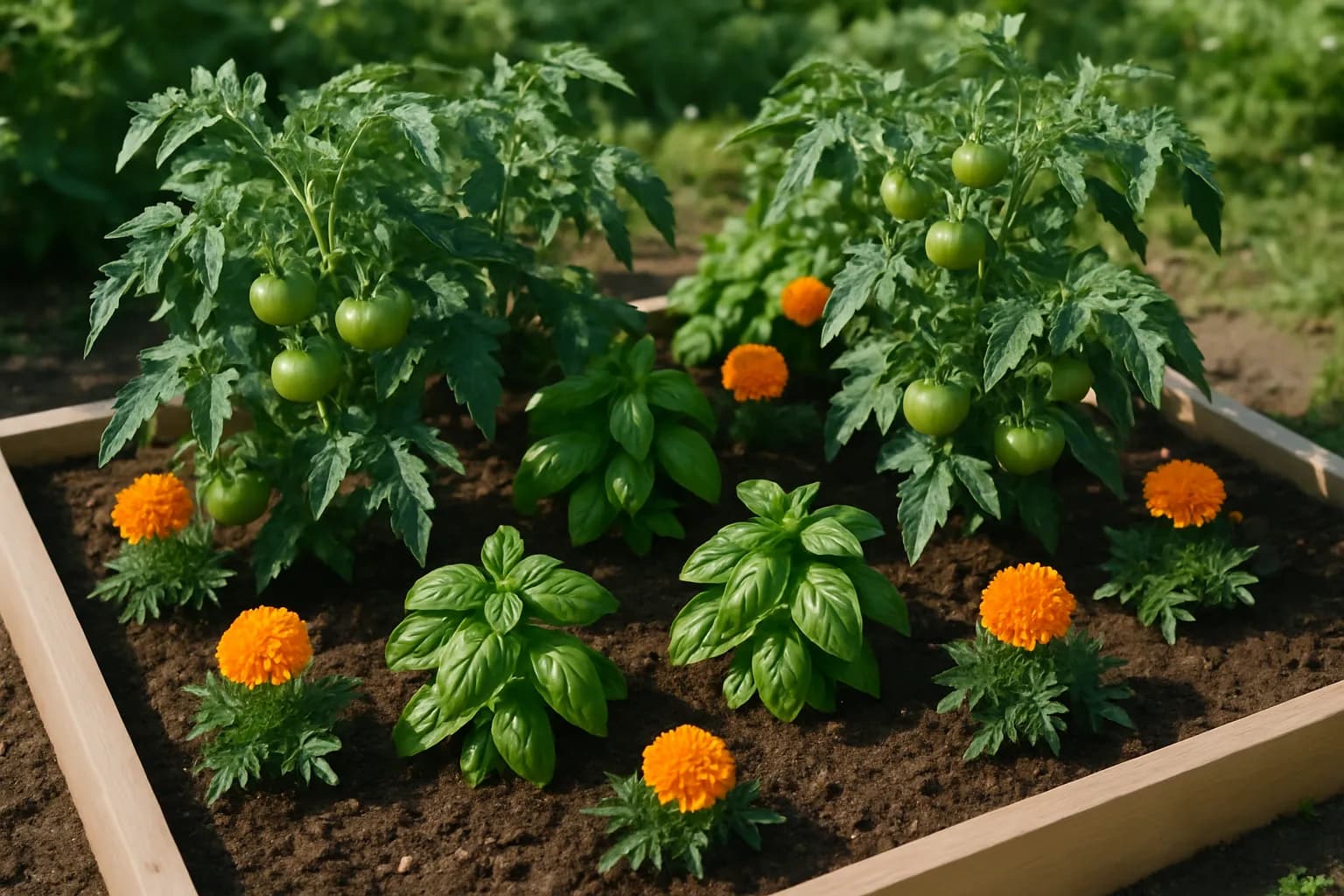
Mulching is the lazy gardener's superpower — a simple layer spread over the soil that locks in moisture, smothers weeds, feeds the earth, and protects roots from heat and cold. Do it once or twice a year and your garden needs less watering, less weeding, and less feeding.
It's the highest-reward, lowest-effort job in gardening. Here's what to mulch with, how to do it right, and the one mistake to avoid.
What mulching does
It holds moisture so you water less, suppresses weeds, steadies soil temperature, feeds the soil as organic mulches rot down, and stops the surface eroding or crusting over.
The best mulches
Organic (they feed the soil as they break down)
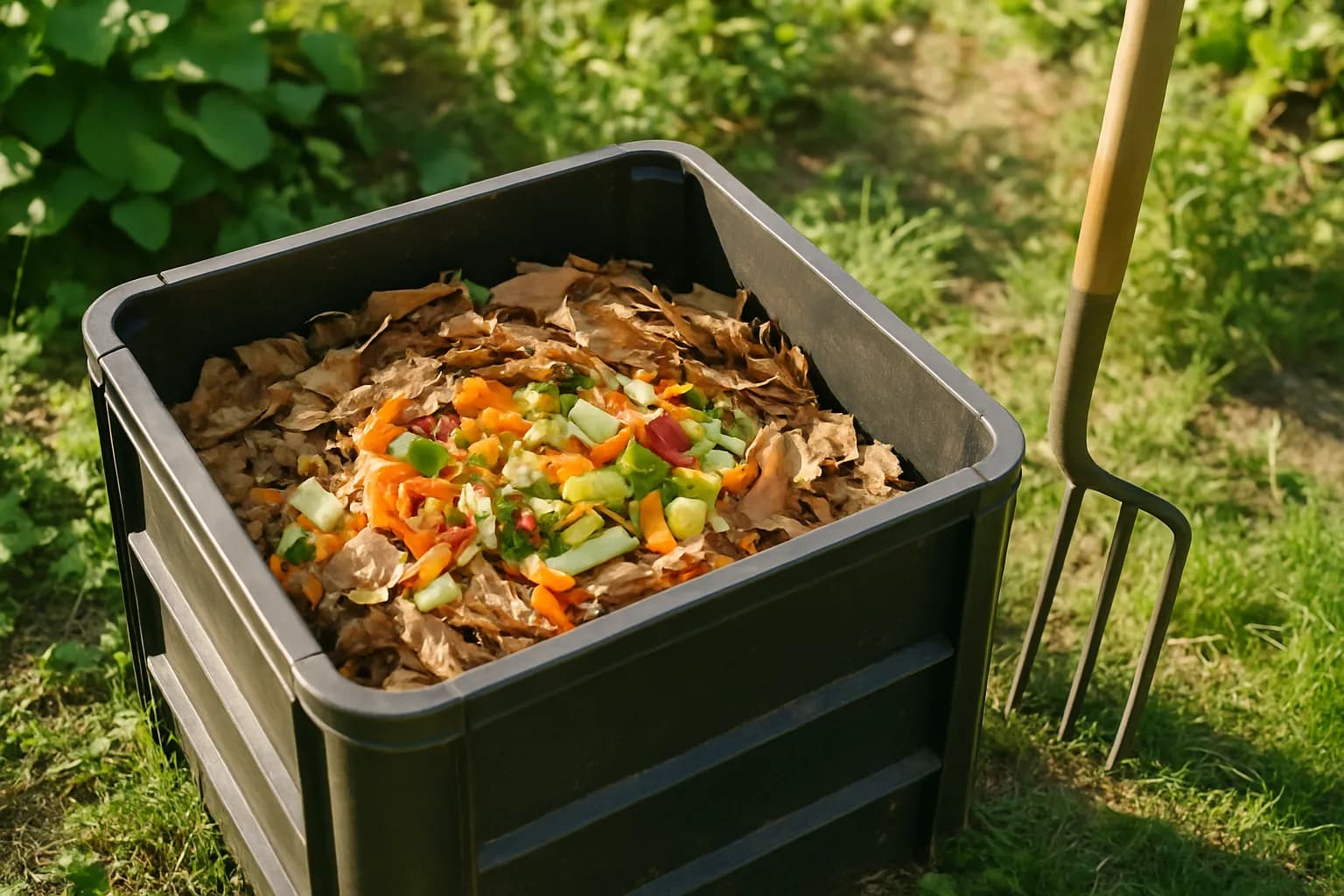
- Compost — the all-rounder, and it feeds too.
- Well-rotted manure.
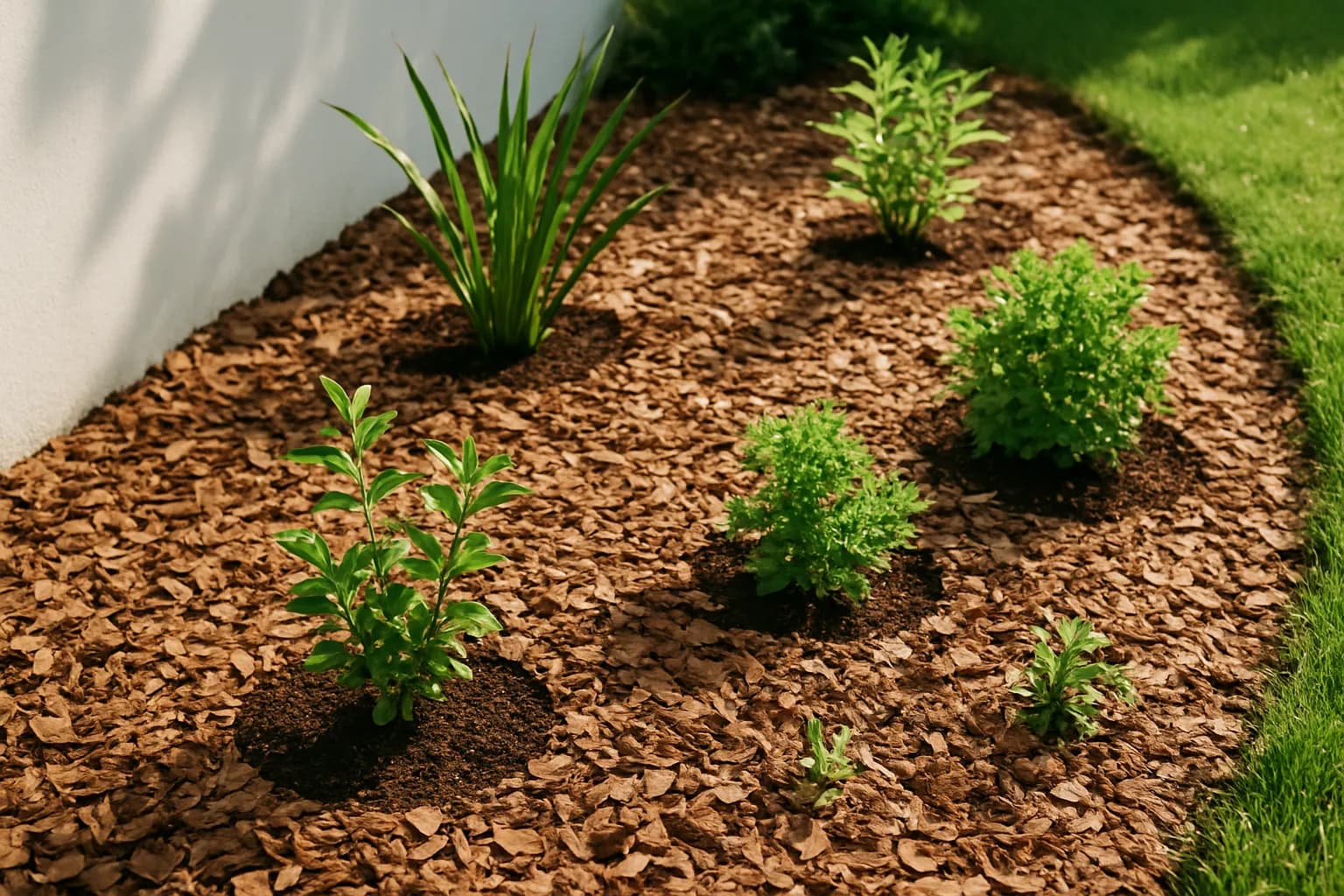
- Bark or wood chips — best for paths, shrubs, and borders.
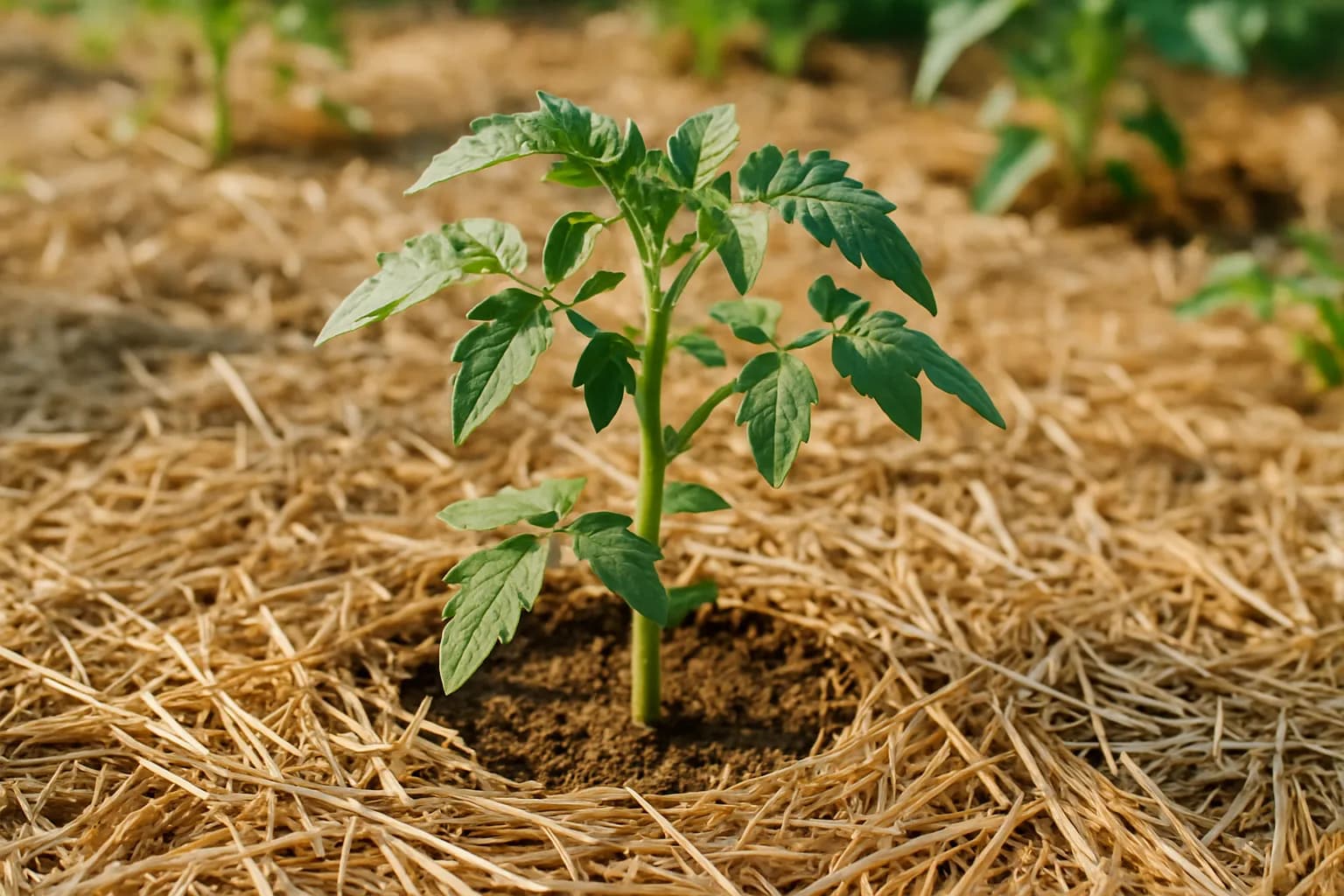
- Straw — great on veg beds and around strawberries.
- Leaf mould and autumn leaves — free and brilliant.
- Grass clippings — thin layers only, or they turn slimy.
Inorganic (long-lasting, but they don't feed)
- Gravel or pebbles — for drought-tolerant and Mediterranean beds.
Which mulch for which job
Match the mulch to the bed and it does more with less:
- Veg beds: straw or compost — easy to work around plants and it feeds the soil.
- Shrubs, trees and borders: bark or wood chips — long-lasting and tidy.
- Anywhere you want to feed the soil: homemade compost or well-rotted manure.
- Drought-tolerant or Mediterranean beds: gravel — permanent, and it keeps roots cool.
- Free and brilliant: autumn leaves as leaf mould, or cardboard tucked under a prettier mulch.
How to mulch the right way
- Weed first — mulch stops new weeds but not established ones.
- Water the soil first — mulch locks in the moisture that's already there, so mulch damp soil.
- Spread it 2–3 inches thick.
- Keep it clear of stems and trunks — piling mulch against them traps damp and rots the plant.
- Time it well — spring to warm and feed, autumn to protect roots.
Free mulch ideas
Autumn leaves (as leaf mould), thin layers of grass clippings, homemade compost, and cardboard tucked under a prettier mulch all cost nothing. Mulching is the perfect finishing touch to a no-dig bed.
Found a great free mulch? Share it in the comments at ecoxee.com — we love a zero-cost soil booster.
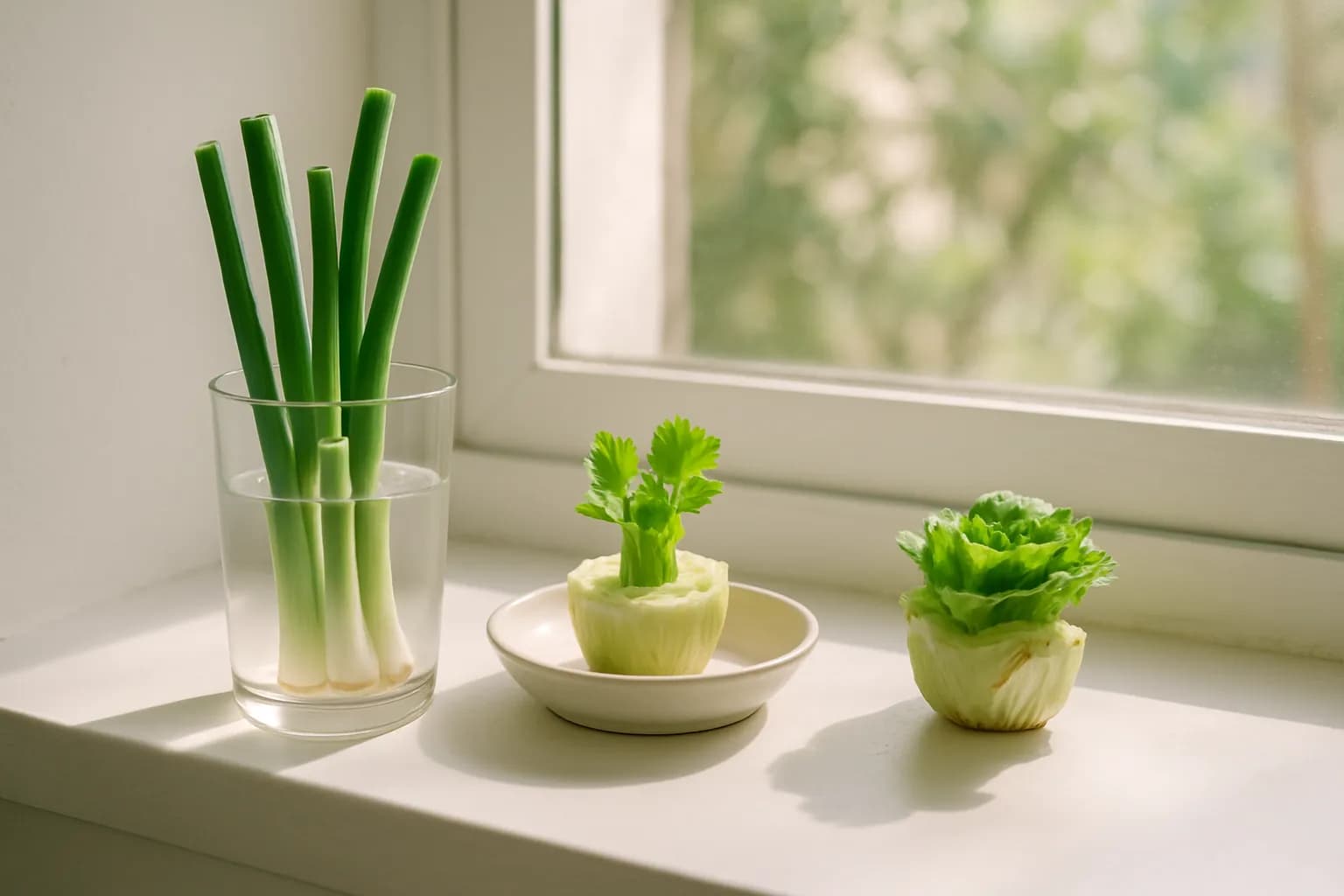
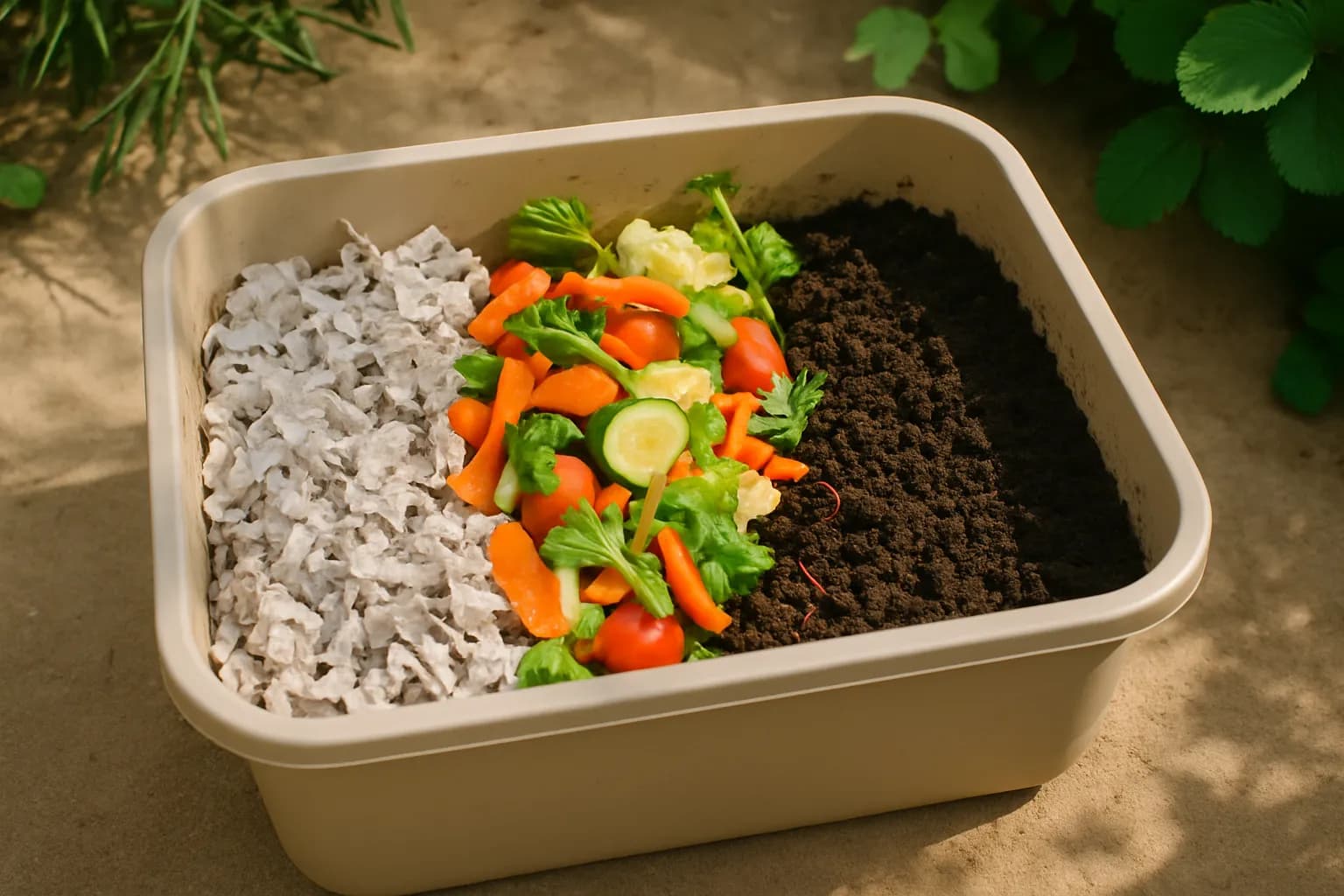
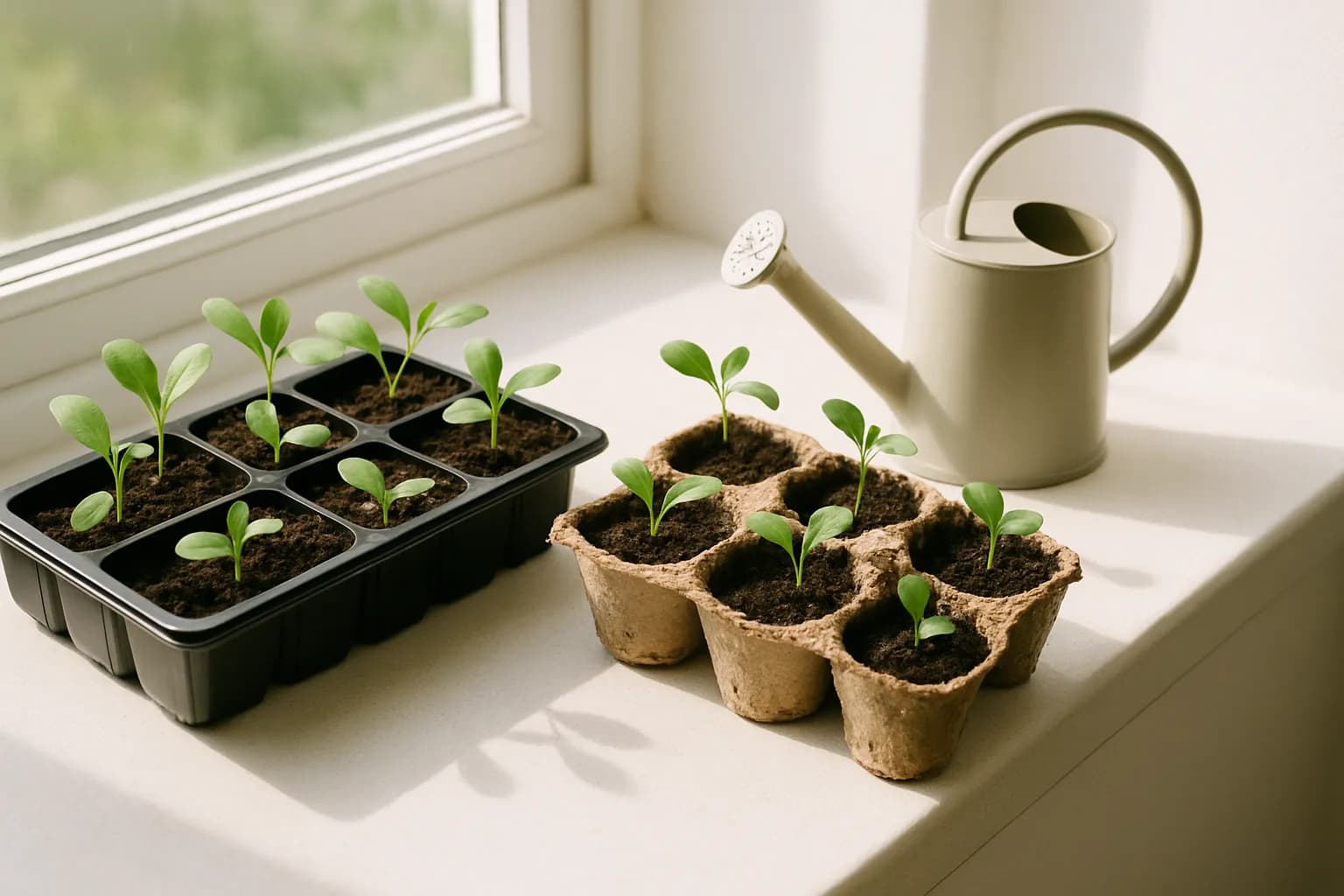
Keep reading: How to Regrow Vegetables From Kitchen Scraps, How to Start a Worm Composting Bin, and How to Start Seeds Indoors.