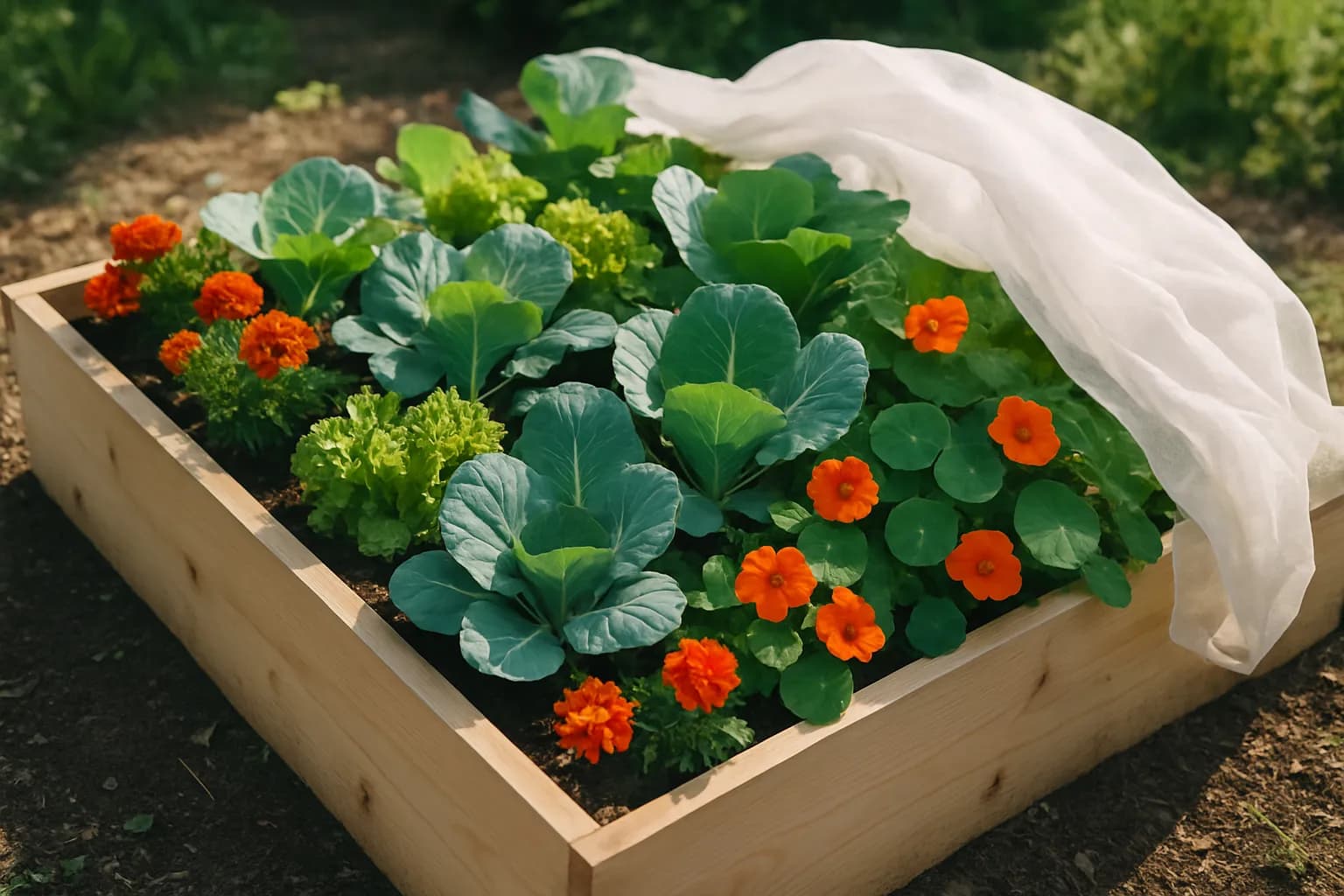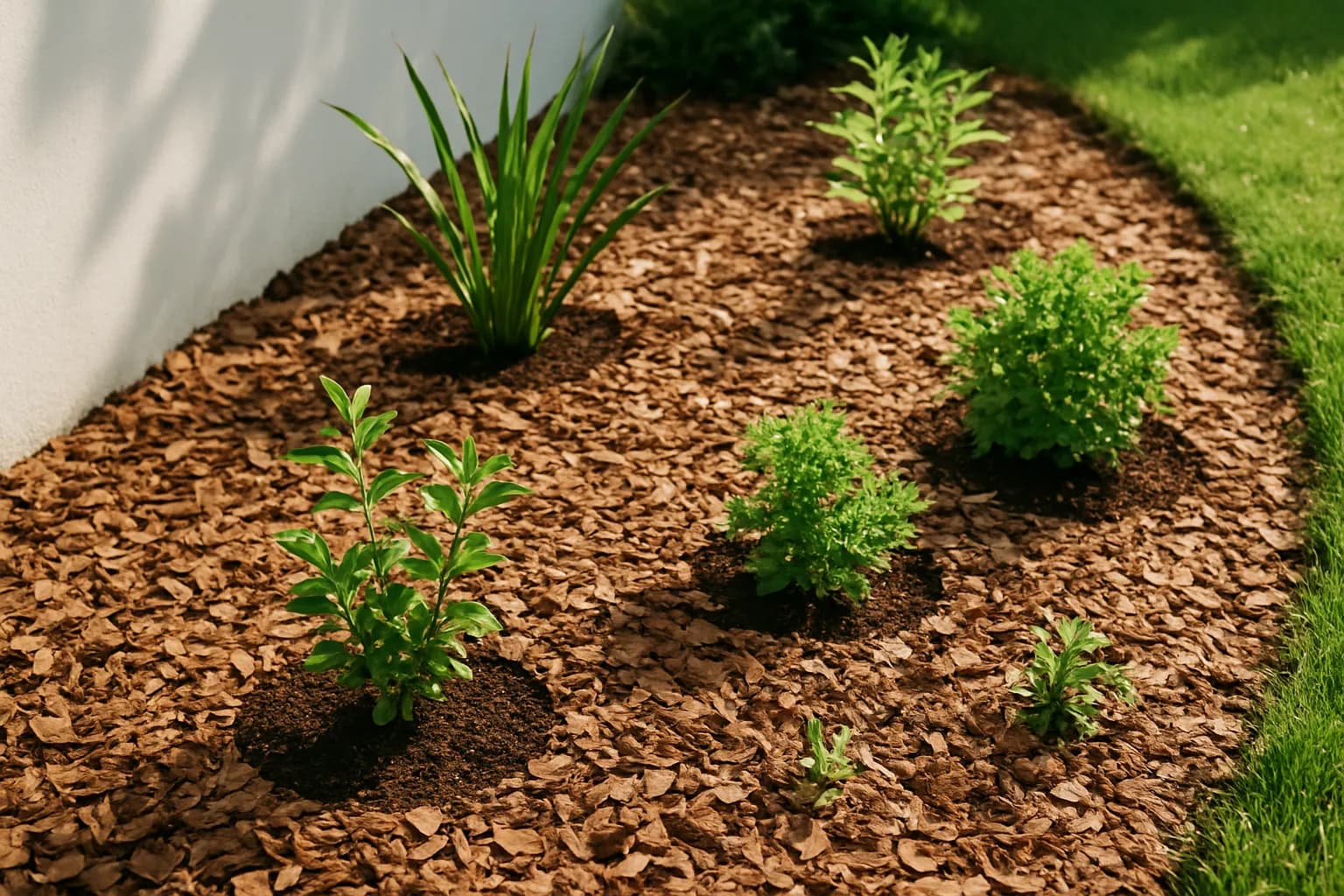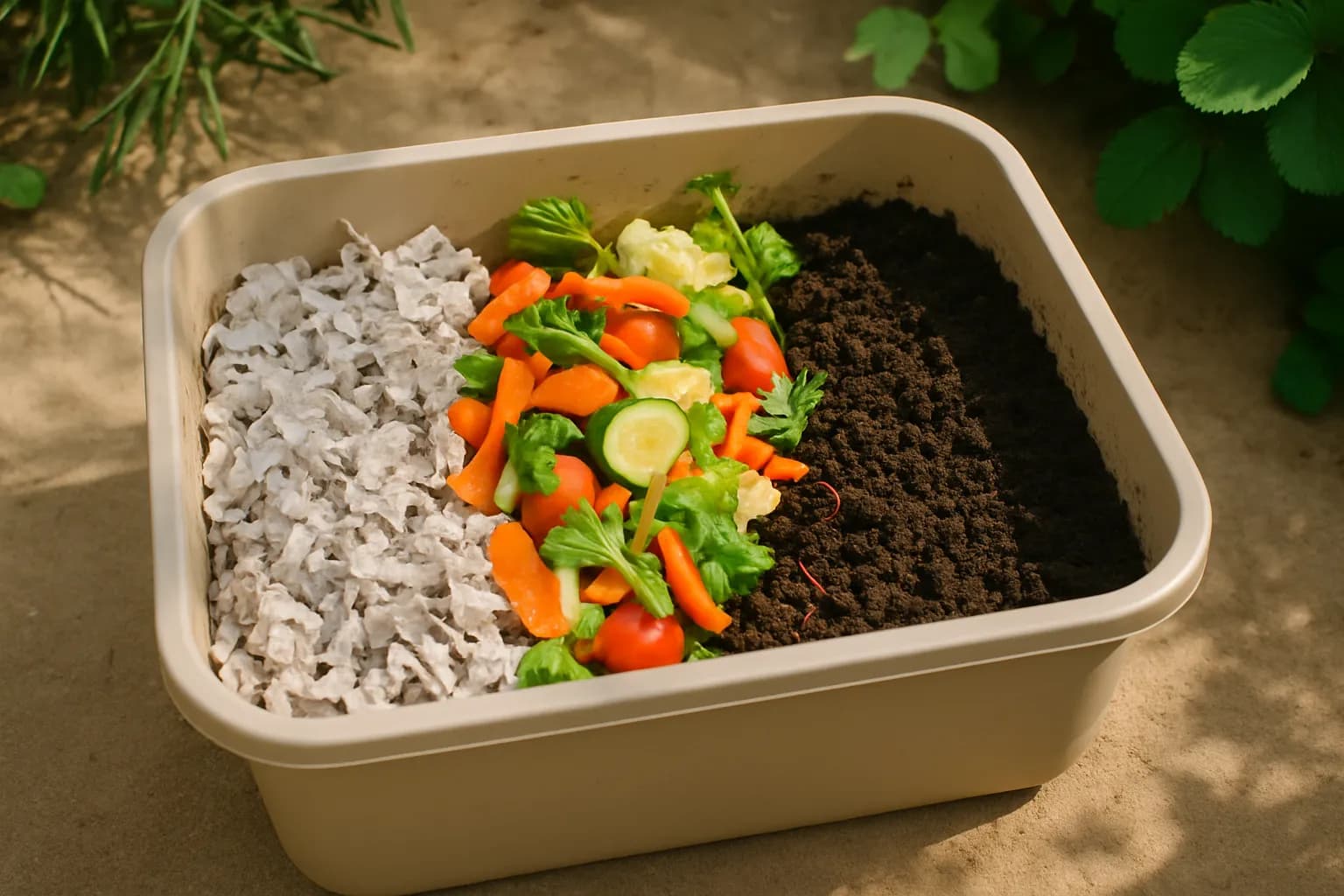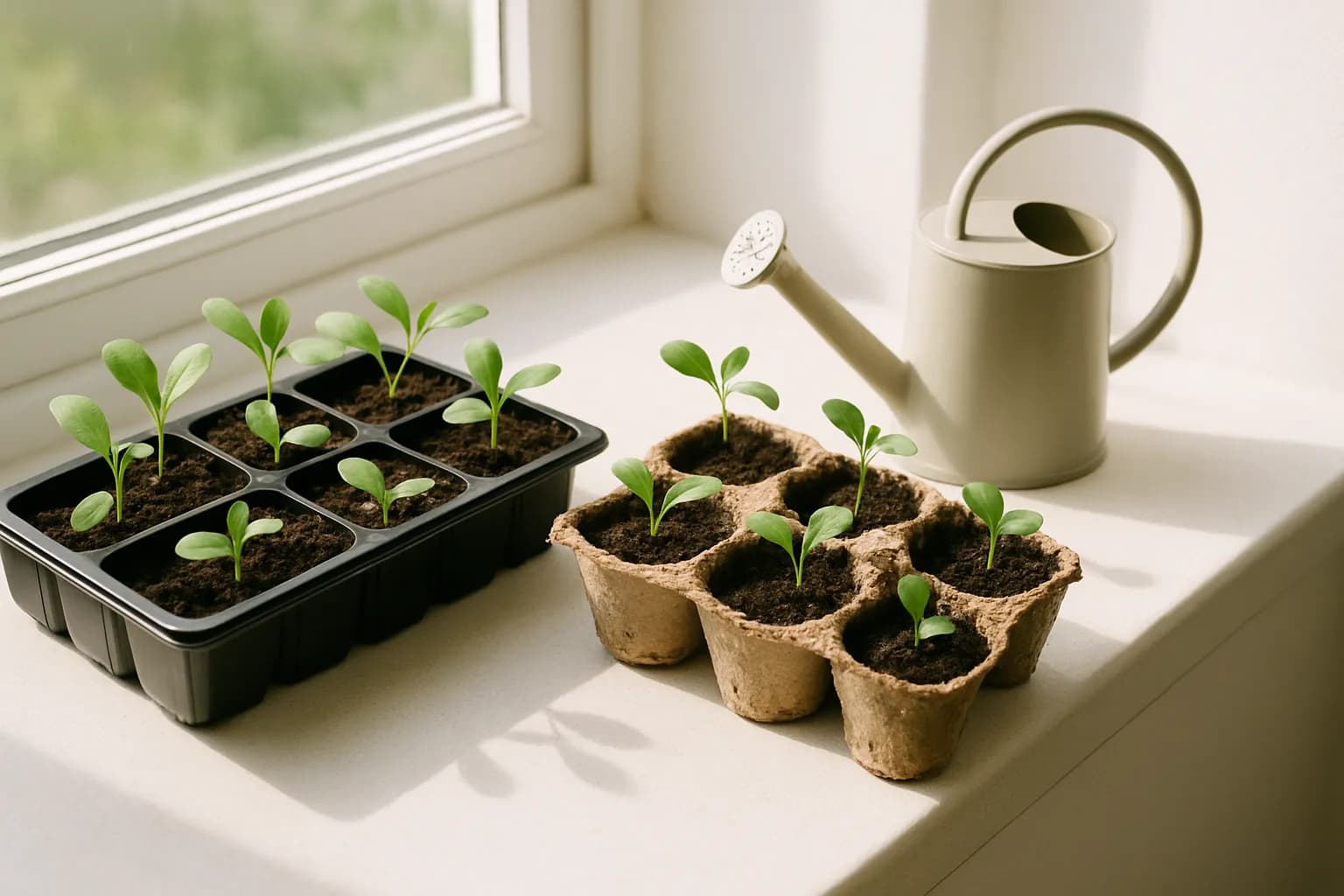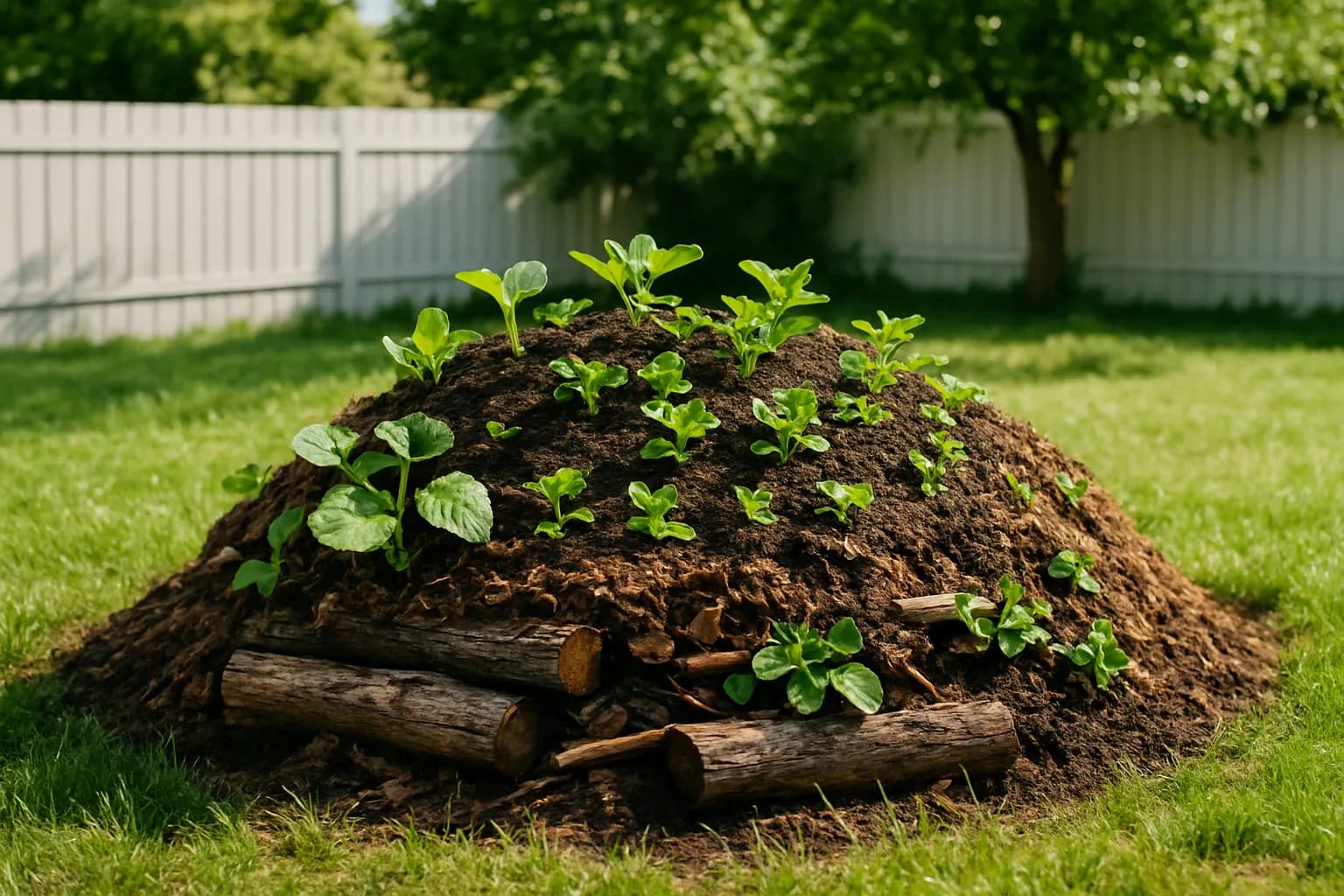
Got a pile of fallen branches, some grass clippings, and a corner of the yard doing nothing? A hugelkultur bed turns all of it into one of the most self-sufficient garden beds you can build. This centuries-old method buries rotting wood under soil — as it breaks down, it works like a sponge and a slow-release compost engine, so you water less and feed less.
Here's how to build a small backyard hugelkultur bed in a weekend.
What hugelkultur actually does
- The buried wood soaks up water and releases it slowly, so the bed shrugs off dry spells.
- As it rots, it feeds your plants for years with no fertilizer.
- It generates a little warmth and raises the bed for easier planting.
What you'll need
- Logs and branches (untreated) for the base
- Twigs and smaller prunings
- Leaves, grass clippings, and straw
- Compost, kitchen scraps, or aged manure (the nitrogen layer)
- Topsoil
- Cardboard to smother the grass below
- A spade
A quick word on wood choice
Use hardwoods or fast-rotting woods like alder, apple, poplar, or oak. Avoid black walnut (it releases juglone, which stunts many plants) and rot-resistant woods like cedar (too slow to break down). Fresh wood is fine — just pair it with plenty of the nitrogen-rich layer, since decomposing wood temporarily borrows nitrogen from the soil.
Build it step by step
- Mark out the bed — a manageable 4–5 ft wide is plenty. Lay cardboard down first to smother the grass.
- Optional trench: dig down 8–12 in and set the soil aside to reuse on top.
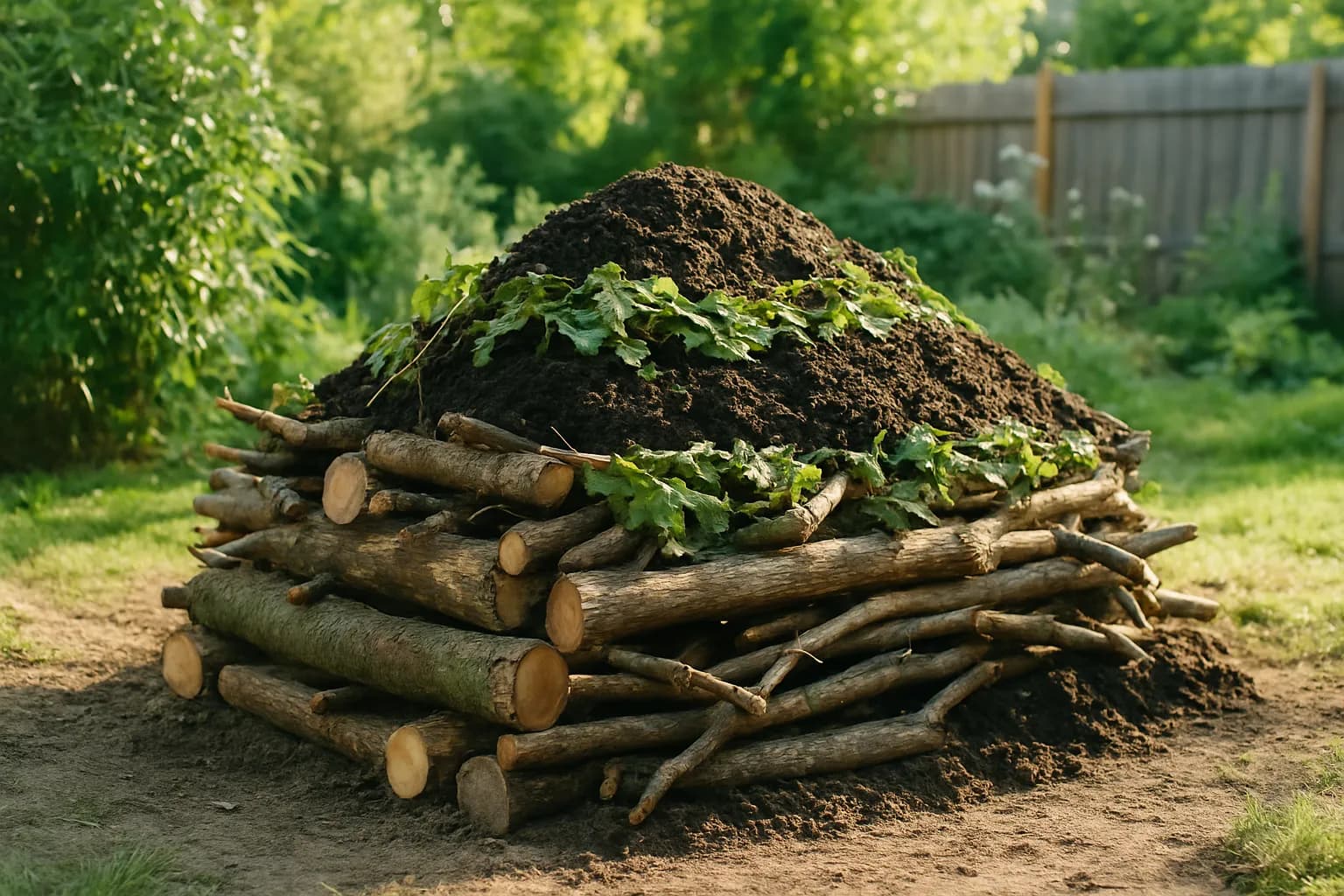
- Lay the biggest logs packed together as the base, filling gaps with branches.
- Add twigs and prunings as the next layer.
- Pile on leaves, grass, and straw, then a generous nitrogen-rich layer of compost, scraps, or aged manure.
- Cap with 4–6 in of topsoil mixed with compost.
- Soak it thoroughly — really drench it — and plant.
First-year planting tips
Because fresh wood is still drawing nitrogen in year one, go easy on heavy feeders at first. Nitrogen-fixing legumes, leafy greens, and squash do well while the bed establishes — and it only gets richer every season as the wood breaks down. Plant into the top and the sloped sides.
Ongoing care
Water deeply but rarely (it holds moisture beautifully), top up the compost each season, and expect the mound to settle over time. A hugelkultur bed is close to the definition of set-and-forget.
Built one? Share your layering and what you planted in the comments at ecoxee.com — we'd love to see your mound take shape.
Keep reading: How to Dry and Save Tomato Seeds for Next Year, Natural Ways to Keep Pests Out of a Raised Garden Bed, and A Beginner's Guide to Mulching.