Worm composting turns your kitchen food scraps into the richest plant food there is — dark, crumbly worm castings that gardeners call black gold. It's odorless, takes up almost no space, and works indoors or out, which makes vermicomposting perfect for flats and small gardens.
The key is using the right worms and feeding them well. Here's how to set up a worm bin that thrives.
The one crucial detail: the right worms
Use composting worms — red wigglers — not the earthworms from your garden, which won't survive in a bin. You can buy them online or from a fishing or garden supplier.
What you'll need
- A lidded bin (a plastic tub or a purpose-made wormery) with drainage holes in the base and air holes near the top
- Bedding: shredded newspaper and cardboard, plus a handful of coir or soil
- Composting worms
- A tray underneath to catch the liquid ("worm tea")
Set it up step by step
- Drill drainage holes in the base and air holes near the top.
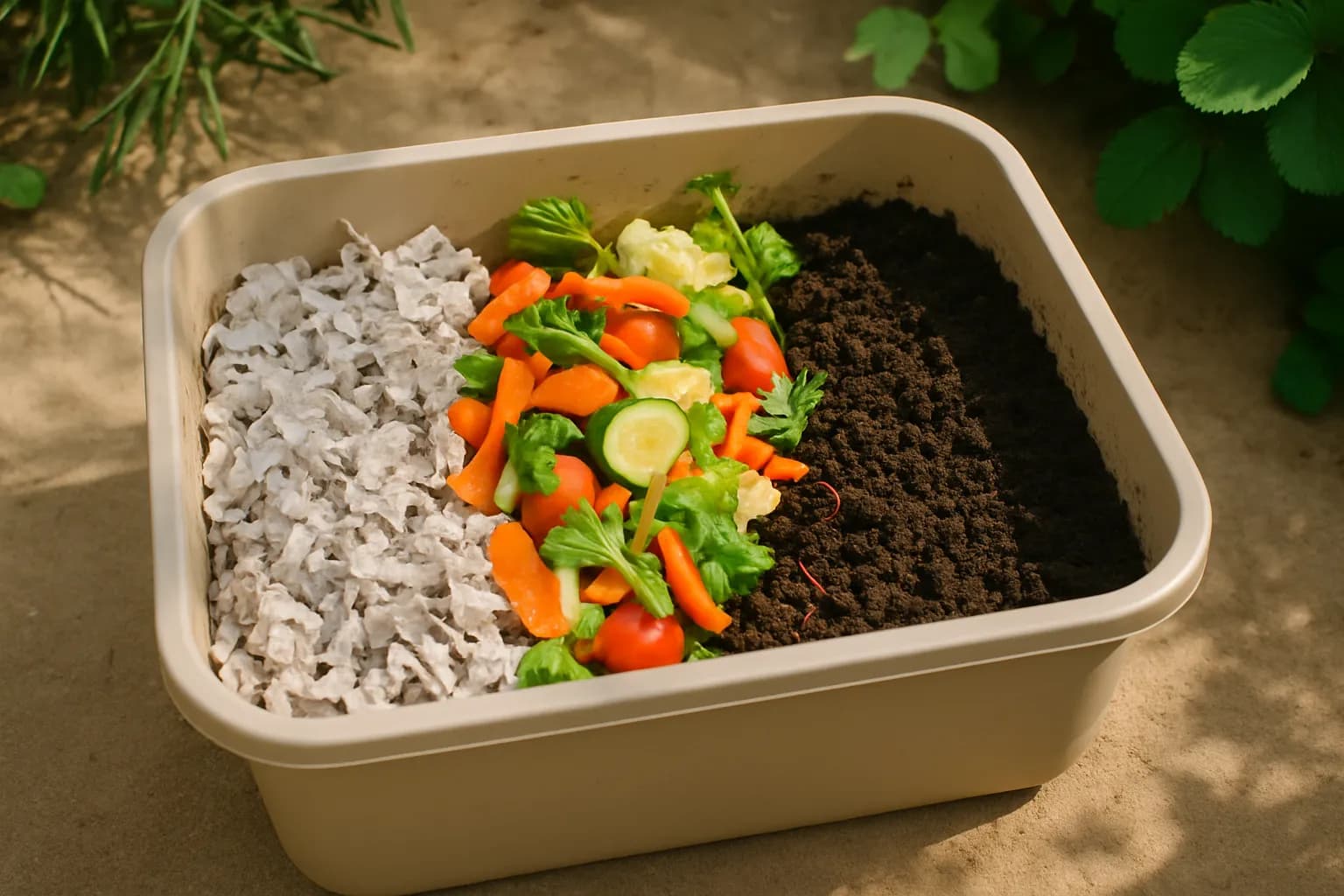
- Add a few inches of moist bedding — shredded paper and cardboard, dampened and wrung out.
- Add the worms and let them settle for a day.
- Start feeding small amounts of chopped fruit and veg scraps, buried under the bedding.
- Keep it moist like a wrung-out sponge, and somewhere around room temperature, out of direct sun and frost.
Feed and don't feed
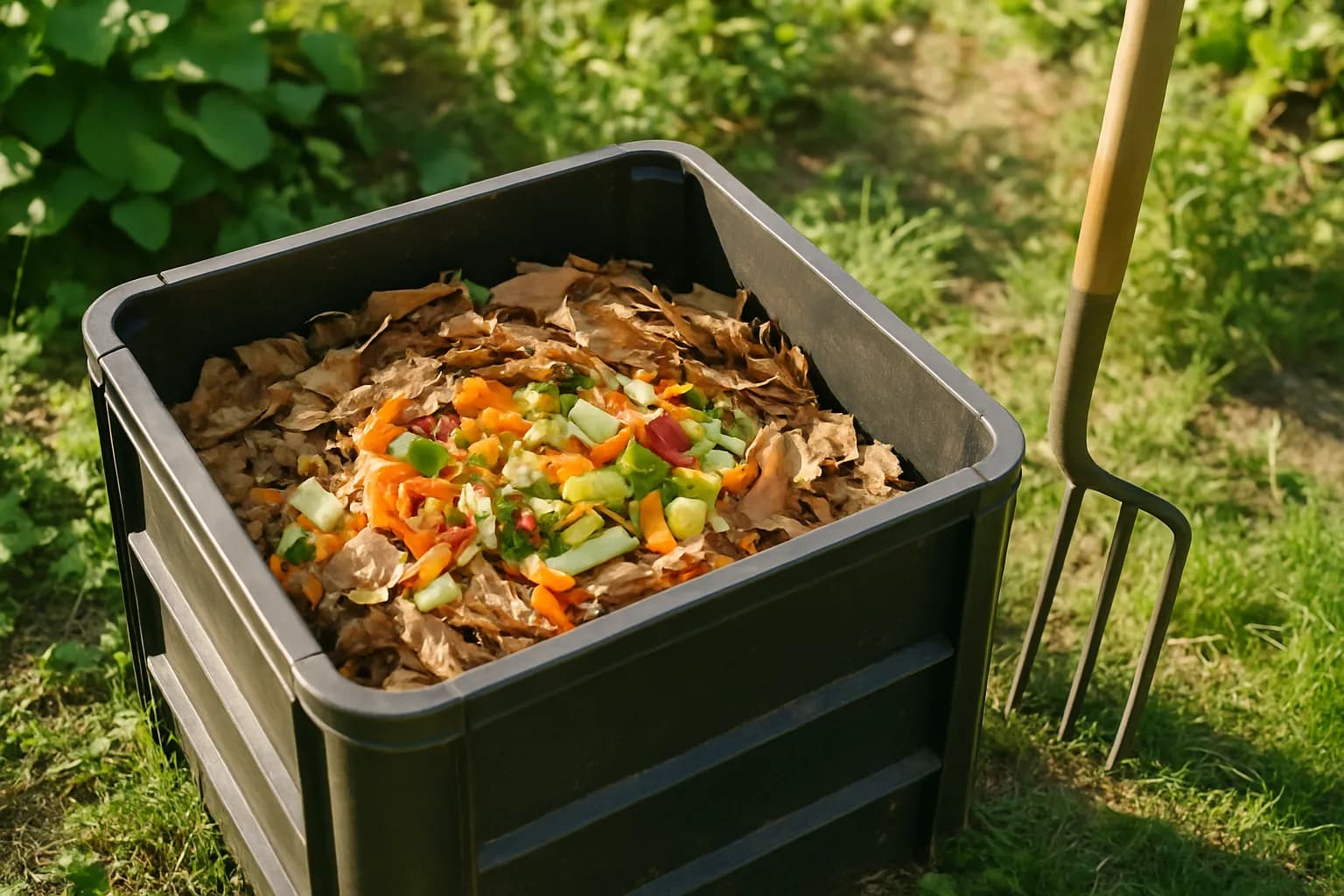
- Yes: fruit and veg scraps, coffee grounds, tea, crushed eggshell, a little bread, shredded paper.
- No: meat, fish, dairy, oily or cooked food, lots of citrus or onion, spicy food, or pet waste.
Worm bin troubleshooting
Most worm-bin problems come down to balance, and all are quick to fix:
- Smelly or sour? You are overfeeding, or it is too wet. Stop feeding for a week and add dry shredded cardboard.
- Fruit flies? Scraps are exposed. Always bury food under the bedding and cover it with a sheet of damp cardboard.
- Worms trying to escape? Usually too wet, too acidic, or too hot. Add browns, ease off the citrus, and move the bin somewhere cooler.
- Worms not eating much? They are still settling, or it is cold. Feed less and give them time; activity picks up as the colony grows.
Ecoxee is an Amazon Associate and may earn from qualifying purchases through these links. Learn more.

Epica Countertop Compost Bin (1.3 Gallon)
A durable stainless-steel countertop caddy with an airtight lid and charcoal filter to collect food scraps odor-free. The bin that makes kitchen composting livable, if you have somewhere to compost the scraps.
Read our full review →Harvesting the black gold
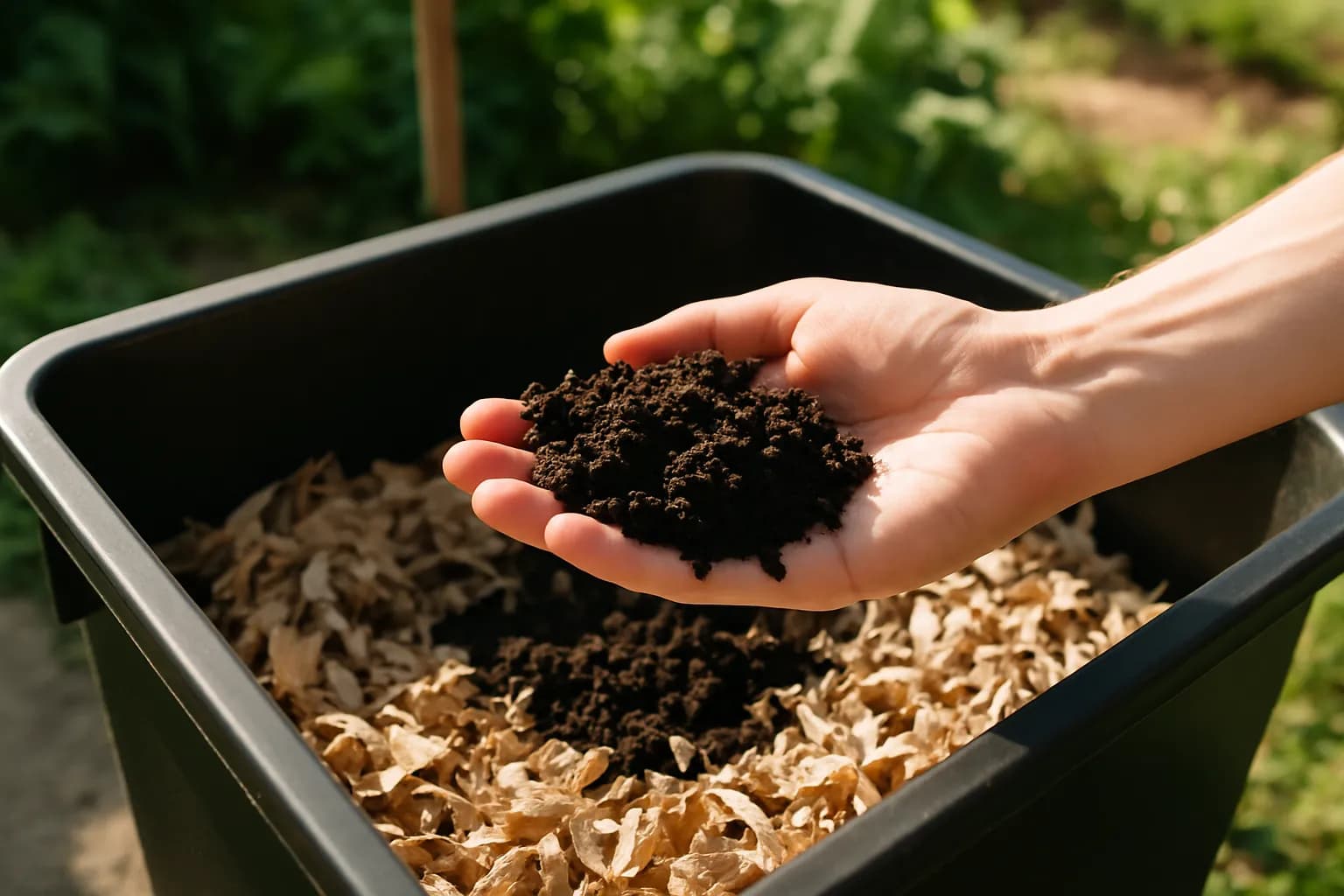
After a couple of months you'll have dark castings. Push everything to one side, add fresh bedding and food to the other, and the worms migrate over — then harvest the finished side. Mix the castings into pots and beds, and dilute the "worm tea" liquid to feed plants. It works beautifully alongside a kitchen compost caddy for collecting the scraps.
Running a wormery? Share your setup in the comments at ecoxee.com — black gold stories welcome.
Keep reading: How to Start Seeds Indoors, No-Dig Gardening for Beginners, and A Beginner's Companion Planting Guide.