You planted a perfect raised bed — and then the slugs, aphids, and cabbage moths RSVP'd too. The good news: you can keep pests out of a raised garden bed without reaching for chemicals. Natural methods like barriers, companion planting, and inviting the right insects do the job while keeping your soil, pollinators, and dinner safe.
Here are the tactics that actually work, roughly from easiest to most hands-on.
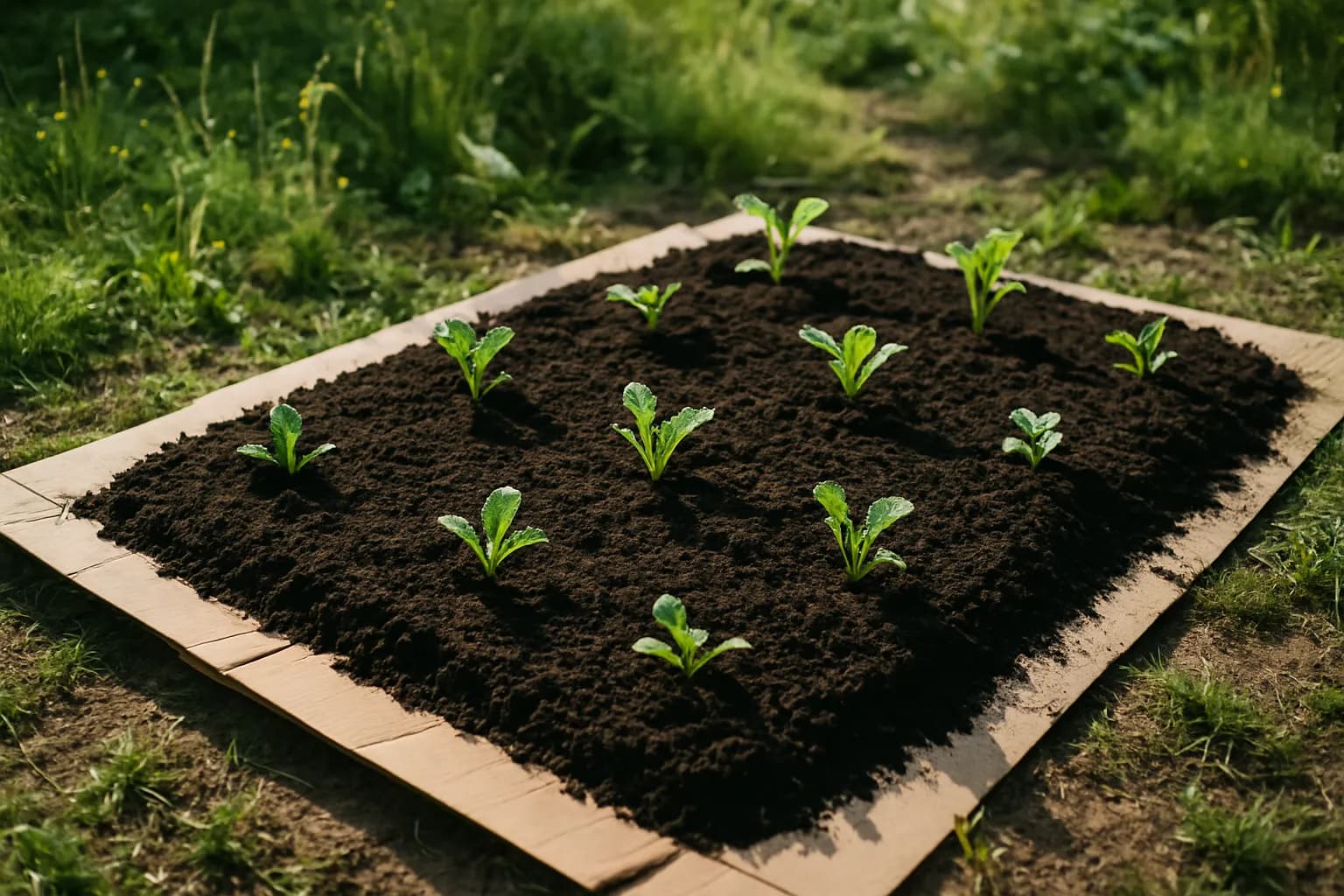
Start with healthy soil and spacing
Strong, well-fed plants shrug off pests that would flatten a struggling one. Don't overcrowd — good airflow prevents both disease and infestations — and rotate your crops each year so pests can't settle in.
Put up physical barriers (the most reliable trick)
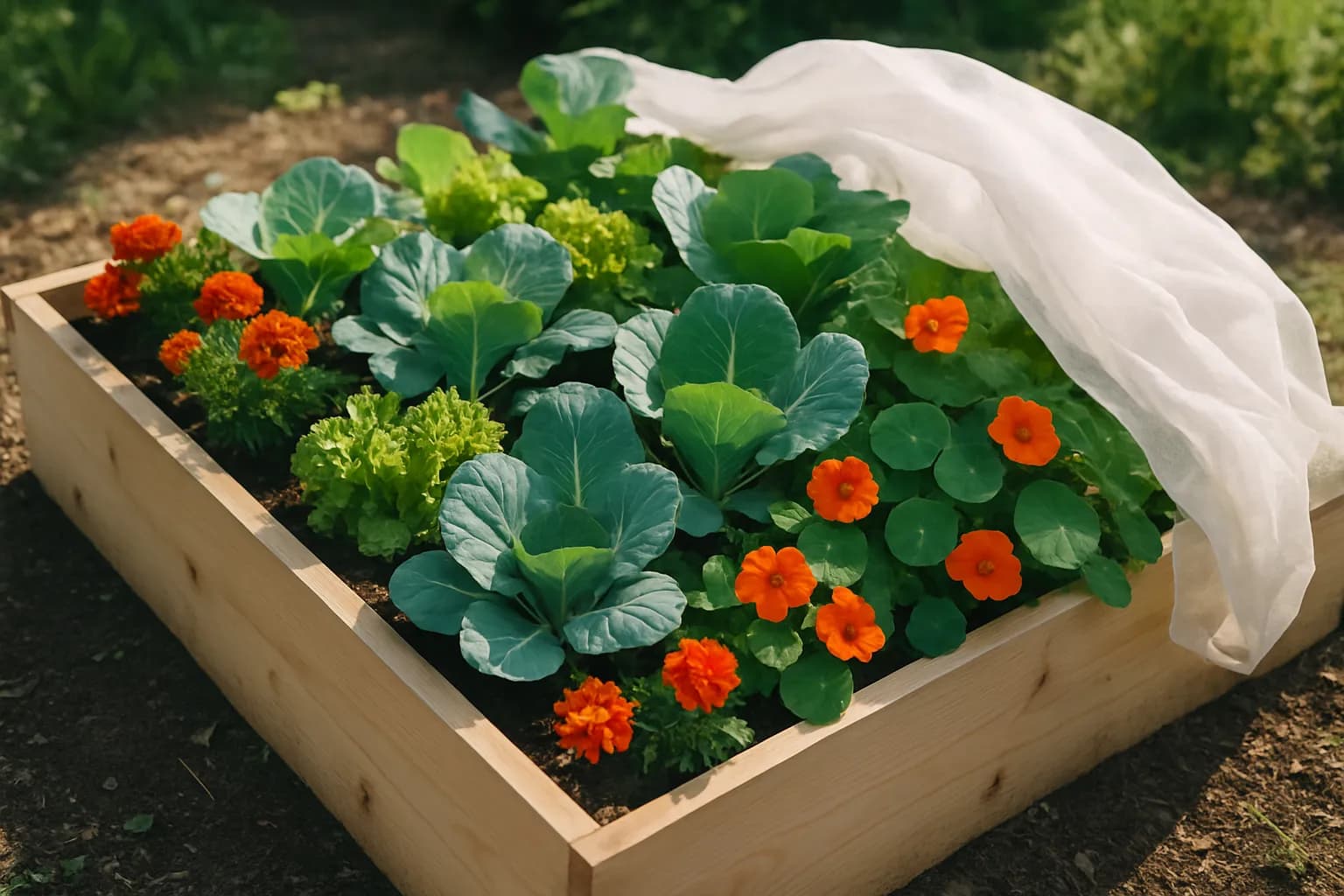
- Fine mesh or row covers stop cabbage moths, carrot fly, and birds outright.
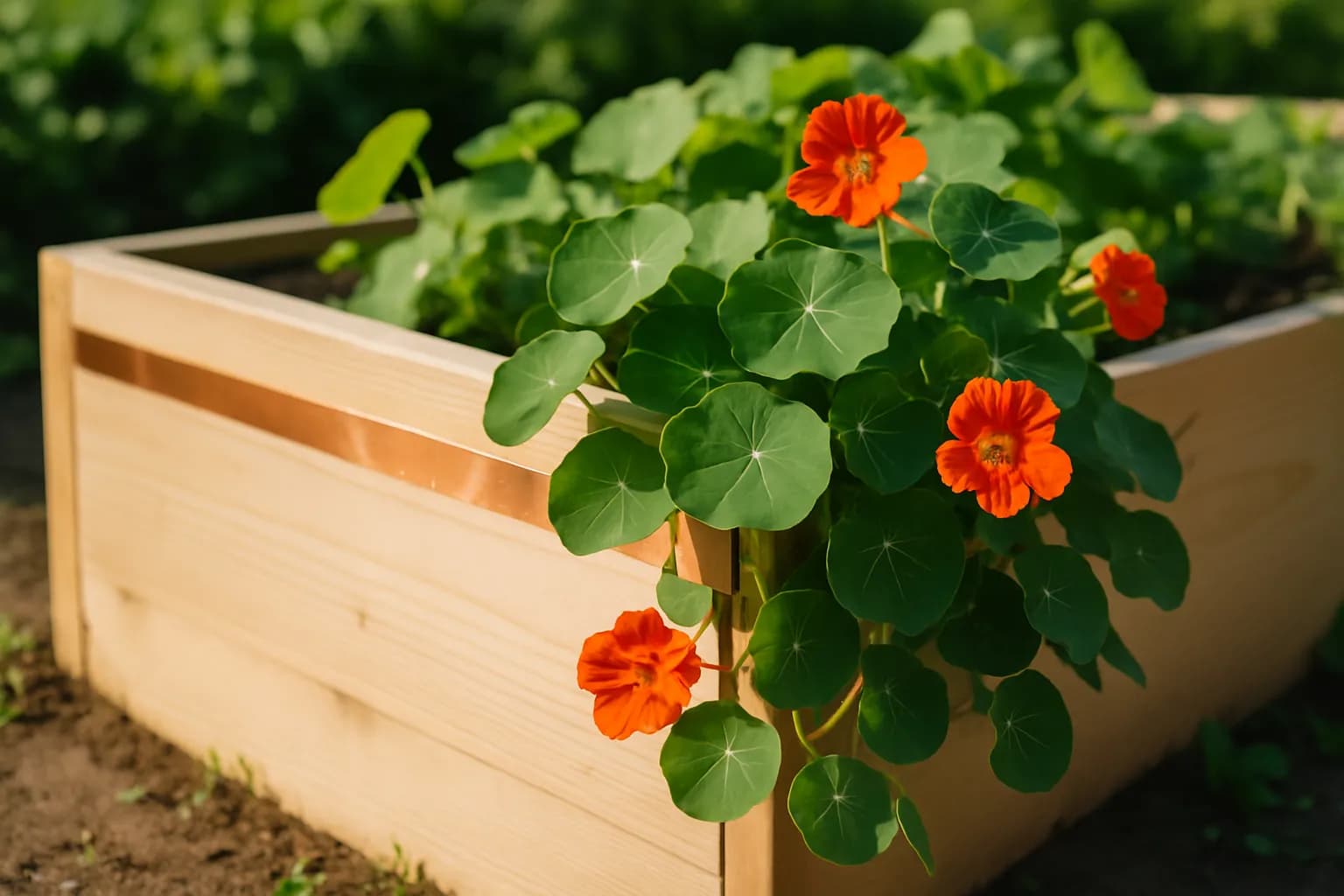
- Copper tape around the bed's rim deters slugs and snails.
- Cardboard or foil collars around seedling stems block cutworms.
Barriers beat almost everything else because they don't rely on the pest choosing to leave.
Use companion planting
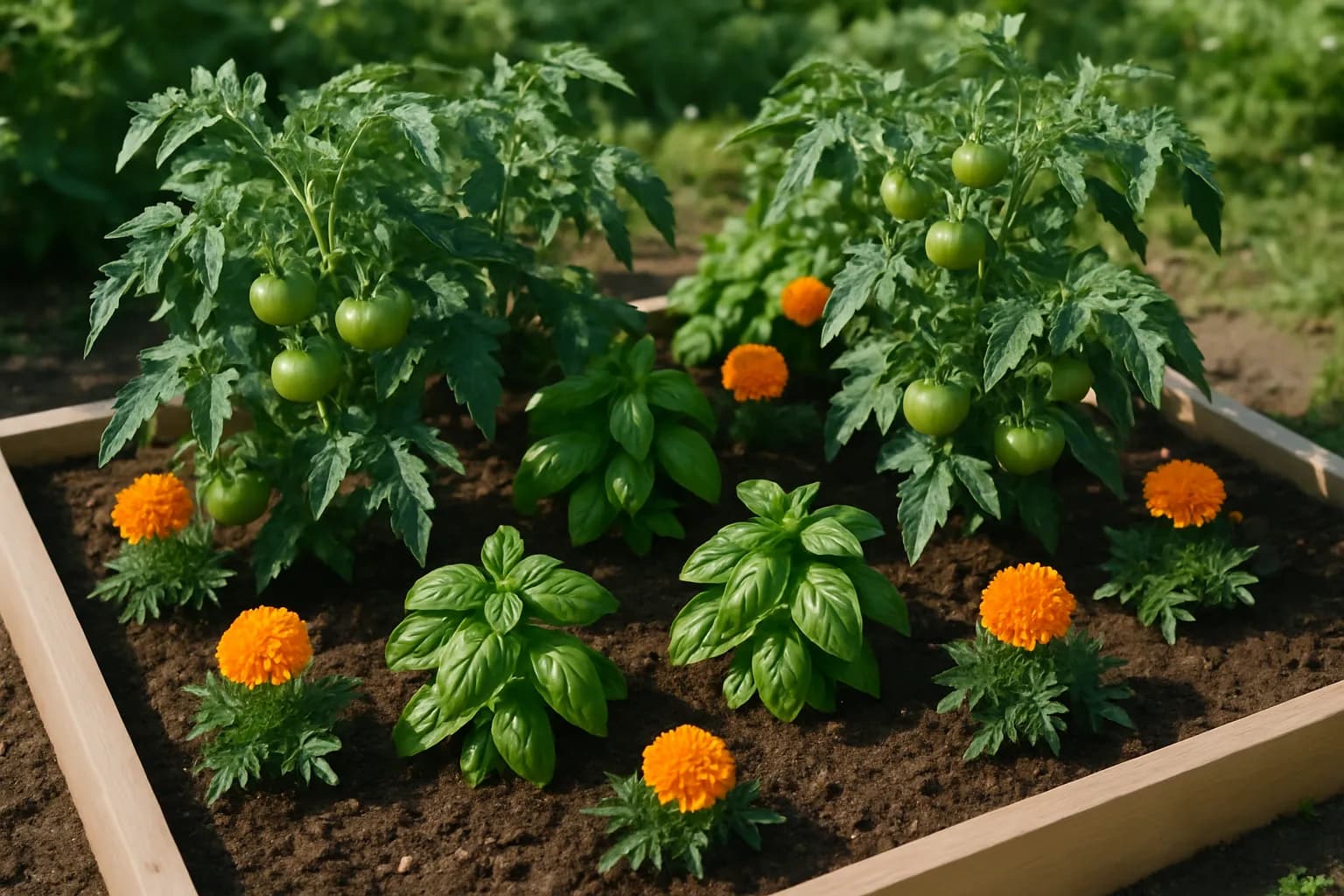
- Marigolds help deter nematodes and some aphids.
- Nasturtiums act as a trap crop — pests flock to them instead of your veg.
- Alliums (onion, garlic, chives) put off a wide range of pests.
- Aromatic herbs like basil and rosemary confuse pests hunting by smell.
Invite the good bugs
Ladybugs and lacewings devour aphids for free. Plant alyssum, dill, fennel, and yarrow to draw them in, add a shallow water dish, and — crucially — avoid broad sprays that wipe out the very allies you're trying to attract.
Hand-pick and trap
An early-morning patrol to pick off slugs, hornworms, and beetles is unglamorous but effective. Beer traps sink slugs, sticky traps catch flying pests, and a sharp jet of water knocks aphids off in seconds.
Targeted treatments — use sparingly
Neem oil, insecticidal soap, and diatomaceous earth all have their place for a bad outbreak. But be honest with yourself: "natural" doesn't mean harmless to bees and beneficial insects. Apply in the evening, spot-treat only the affected plants, and keep it away from flowers.
What to skip
- Broad-spectrum sprays, even organic ones, when they'd hit pollinators.
- Over-relying on eggshells or coffee grounds for slugs — the evidence is shaky. A copper rim or a nighttime hand-pick works far better.
Many of the best pest-fighters are herbs, so it's worth weaving a tiny herb garden right into your beds.
Got a natural trick that saved your crop? Share it in the comments at ecoxee.com — we're always adding to the toolkit.
Keep reading: A Beginner's Guide to Mulching, How to Regrow Vegetables From Kitchen Scraps, and How to Start a Worm Composting Bin.