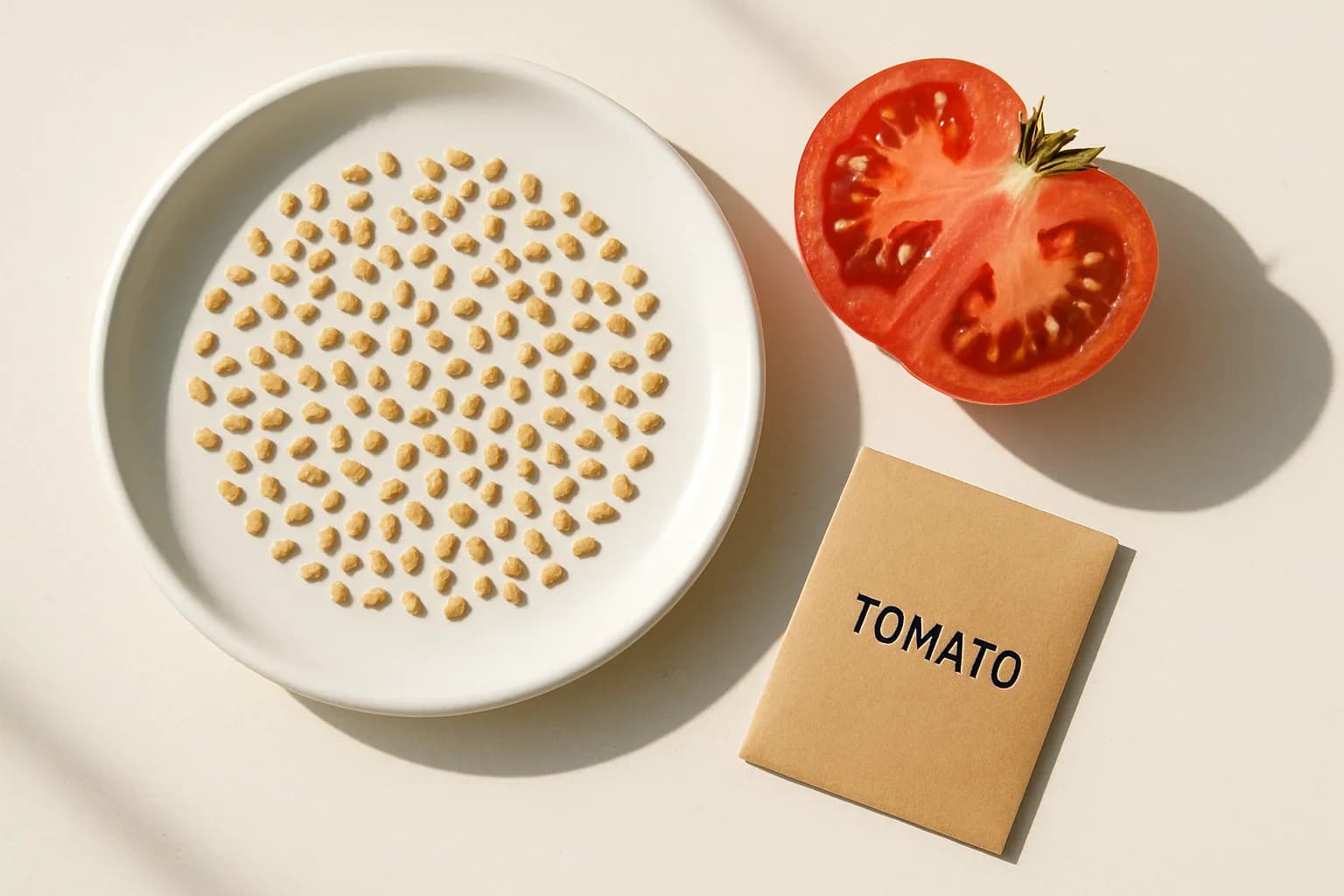
One perfect tomato holds next year's entire crop — for free. Learning to save tomato seeds means never buying that variety again, and the plants come back true to the parent, as long as you start with an heirloom or open-pollinated fruit rather than a hybrid.
The trick is a slightly funky little fermentation step that mimics what happens in nature. Here's exactly how to dry and store tomato seeds for next year.
First: pick the right tomato
Open-pollinated and heirloom varieties grow true from seed; F1 hybrids don't, so their offspring are a genetic lucky dip. Choose your best, healthiest, fully ripe (even slightly overripe) fruit from a strong plant — you're breeding from your winners.
Why the fermentation step matters
Every tomato seed is wrapped in a gel that stops it germinating inside the fruit. Fermenting dissolves that gel and knocks back seed-borne diseases, leaving you with cleaner seed that sprouts far better next spring.
Step by step
- Scoop the seeds and their gel into a jar or cup and add a splash of water.
- Ferment loosely covered at room temperature for 2–3 days, stirring once a day. A layer of mold and scum forms on top — that's the process working. It smells, so keep it out of the kitchen.
- Stop at the right time. Once that scummy layer covers the surface (usually day 2–3), you're done. Over-fermenting makes seeds sprout.
- Separate the good seed. Fill the jar with water and stir: viable seeds sink, while pulp and dud seeds float. Pour off the floaters.
- Rinse the sunk seeds in a fine sieve until clean.
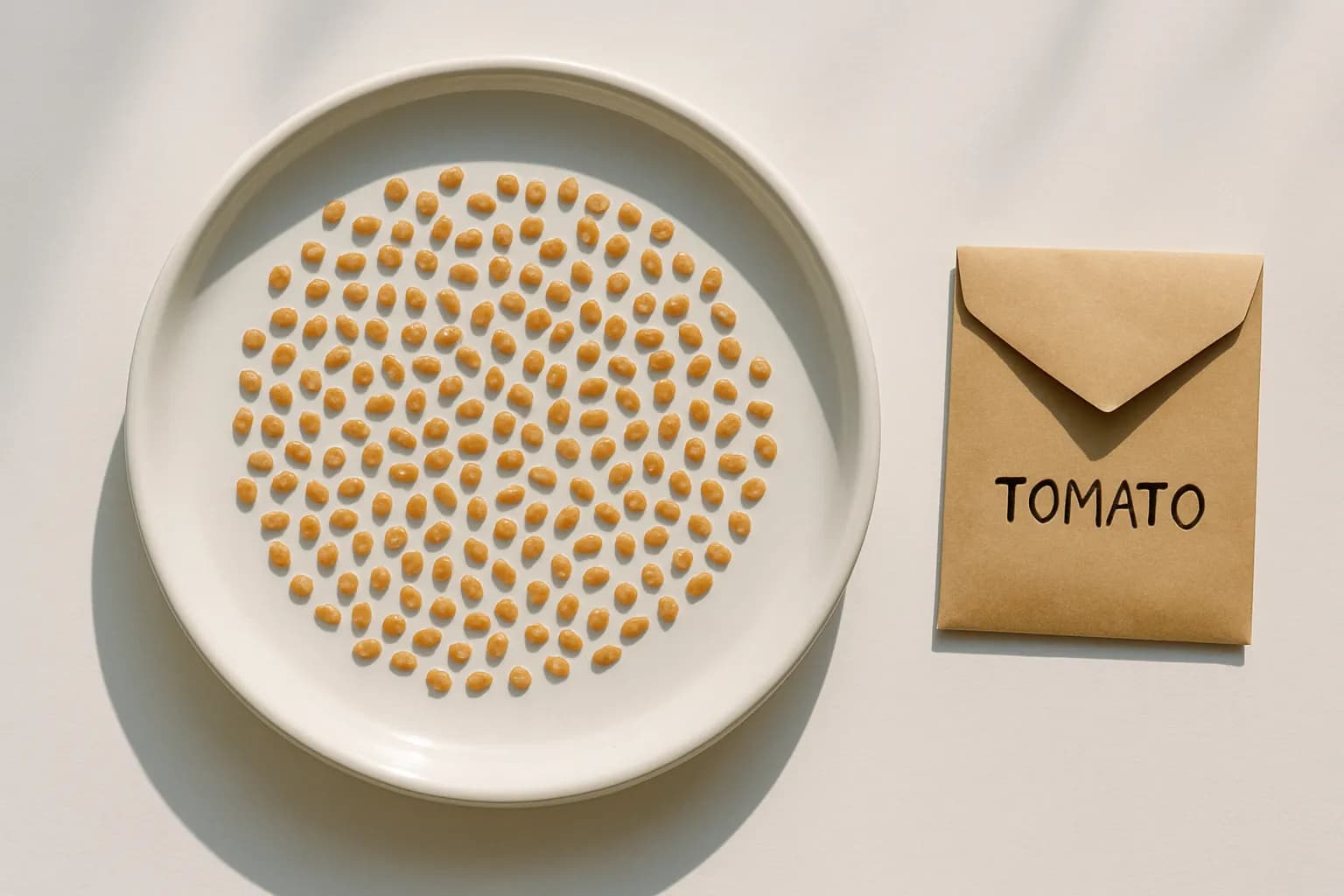
- Dry them in a single layer on a glazed ceramic plate or a fine screen, somewhere airy and warm but out of direct sun, for 1–2 weeks until bone dry.
- Store in a labeled paper envelope — variety and year — somewhere cool, dark, and dry.
Beyond tomatoes: what else to save
Tomatoes are the perfect starting point, but the same "save from your best, open-pollinated fruit" rule opens up more:
- Easiest (self-pollinating): beans, peas, lettuce and tomatoes — they rarely cross, so the seed comes true with no special effort.
- Trickier (they cross-pollinate): squash, cucumbers, pumpkins and brassicas readily cross with nearby varieties, so their saved seed can be a surprise unless you isolate the plants.
- Always avoid F1 hybrids whatever the crop — their seed does not grow true.
Start with the easy self-pollinators and you will build a free, resilient seed store in a season or two.
How long they keep
Stored cool and dry, tomato seeds stay viable for four to six years, often longer. Tuck a little rice or a silica packet into the jar to keep moisture out.
A quick spring check
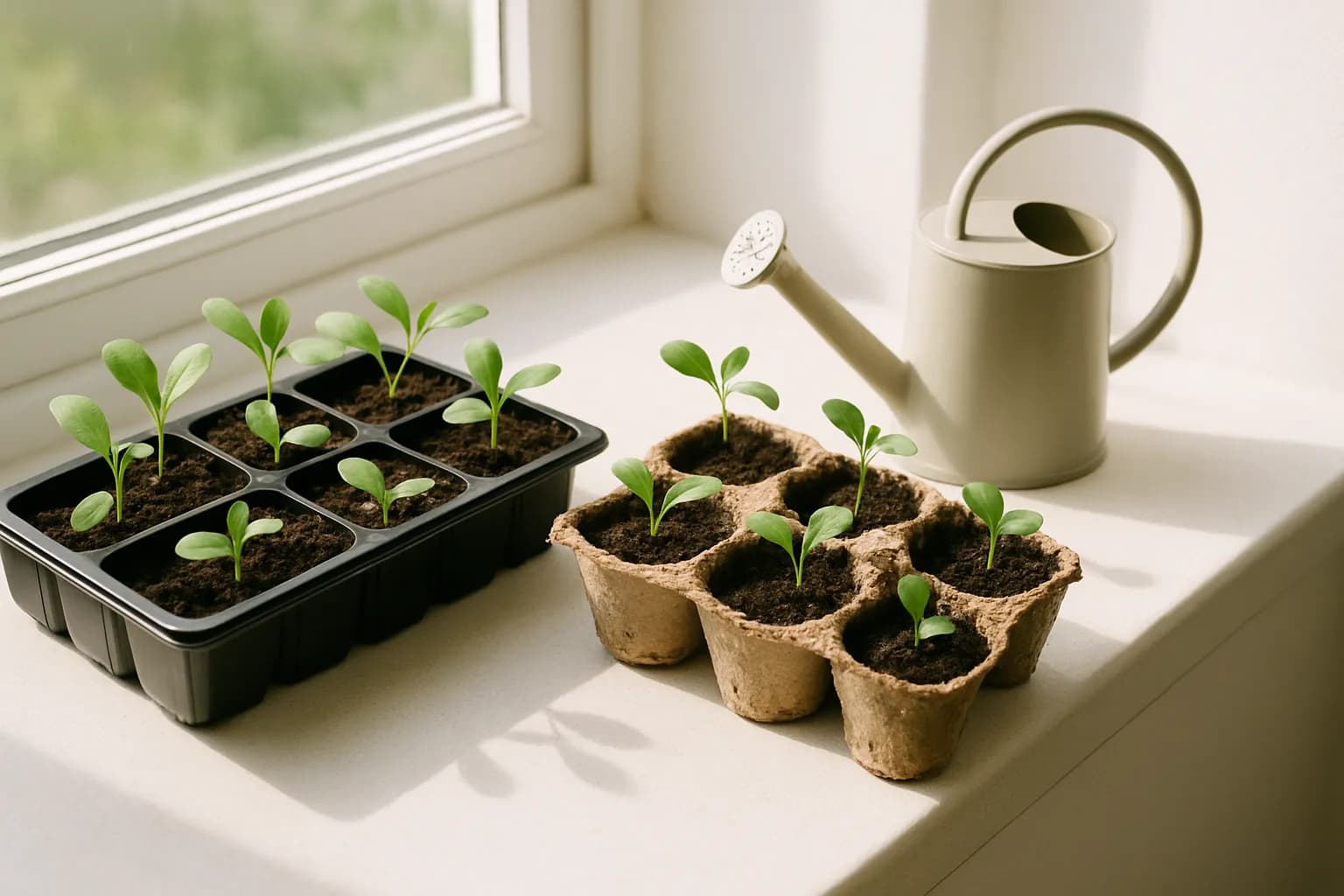
Before sowing a whole tray, sprout-test a few seeds between damp paper towels — if most germinate, your saved batch is good to go. Grow them on in upcycled milk jug planters and the whole cycle costs you nothing.
Saved a variety you love? Tell us which one in the comments at ecoxee.com — heirloom favorites welcome.
Keep reading: Natural Ways to Keep Pests Out of a Raised Garden Bed, A Beginner's Guide to Mulching, and How to Regrow Vegetables From Kitchen Scraps.