Travel is a single-use magnet — mini toiletries, plastic bottles, takeaway cups, wrapped everything. A little preparation cuts most of it, and the same kit that saves waste also saves you money on the road. Here's how to travel lighter on the planet.
Pack a reusable travel kit
A few reusables cover almost every on-the-go disposable:
- Water bottle — refill instead of buying bottled water (a filter bottle helps where tap water is iffy).
- Reusable coffee cup — for the airport, the road, the morning flat white.
- Foldable tote and a small container — for market food, snacks and leftovers.
- Bamboo or metal cutlery and a reusable straw — skip the plastic set.
- A cloth napkin/handkerchief — endlessly useful.
Ecoxee is an Amazon Associate and may earn from qualifying purchases through these links. Learn more.

Owala FreeSip Insulated Stainless Steel Water Bottle
A leakproof, vacuum-insulated bottle with the cleverest lid on the market. One of the best reusable bottles you can buy, if you actually need one.
Read our full review →
KeepCup Brew Glass Reusable Coffee Cup
A dishwasher-safe tempered-glass cup with a cork band and splashproof lid, so your coffee tastes like coffee, not plastic. A reusable that is actually nice to use.
Read our full review →
Reusable Silicone Drinking Straws (with cleaning tool)
Soft, flexible silicone straws that bend into tumblers and are safe for kids, with a squeegee tool that finally makes reusable straws easy to clean.
Read our full review →Switch to plastic-free toiletries
Solid toiletries are a traveller's dream — no liquids limit, no leaks, no minis:
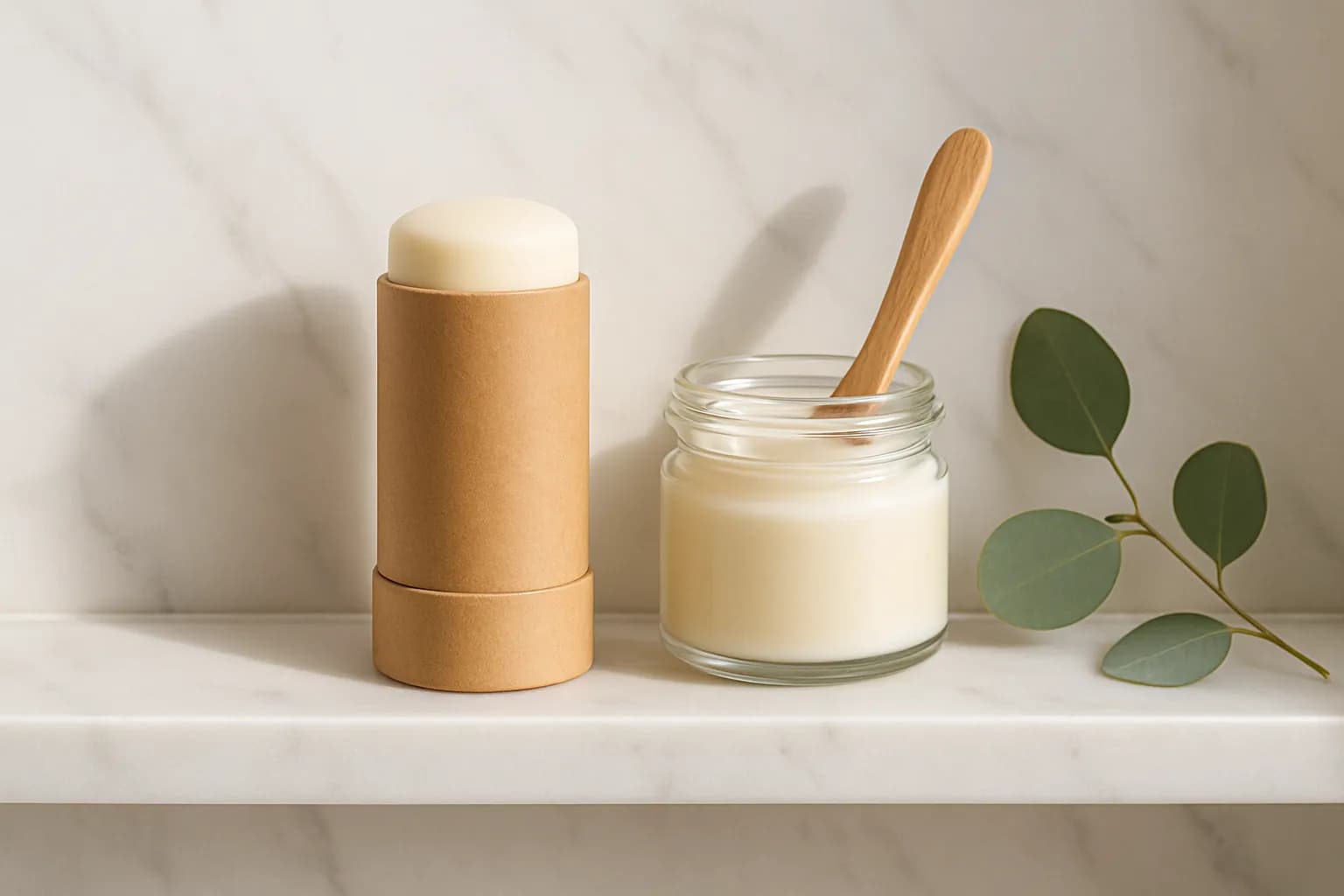
- Shampoo and conditioner bars, bar soap, a solid deodorant, all in a tin — see plastic-free bathroom swaps.
- Refuse hotel minis — bring your own and leave the tiny plastic bottles unopened.
- Solids also breeze through airport security, since they're not liquids.
Refuse single-use on the go
- Say no to straws, plastic cutlery, and extra packaging before they're handed over.
- Refill your bottle at fountains, cafes and (increasingly) airports past security.
- Carry snacks so you're not cornered into packaged airport food.
- Choose dine-in over takeaway when you can, or bring your container.
The honest perspective
Here's the honest bit: if you fly, the flight's carbon footprint dwarfs any packaging you avoid on the trip. A reusable bottle is worth doing, but don't let it paper over the bigger picture — travelling less often but for longer, choosing trains where practical, and being realistic about flying matter far more than the straws you refuse. Both are worth doing; just keep the scale in mind.
Frequently asked questions
What should be in a zero-waste travel kit? A refillable water bottle, a reusable coffee cup, a foldable tote and small container, bamboo or metal cutlery with a reusable straw, and a cloth napkin. Solid toiletries in a tin round it out.
Are solid toiletries good for travel? Excellent — shampoo/conditioner bars, bar soap and solid deodorant don't count as liquids at security, won't leak, and replace all the plastic minis.
How do I avoid single-use plastic while travelling? Bring reusables, refuse straws and plastic cutlery, refill your bottle, carry your own snacks, and skip hotel mini-toiletries by bringing your own.
Isn't flying worse than any packaging I avoid? Yes — a flight's footprint far outweighs on-trip packaging waste. Reusables are still worth it, but flying less and choosing lower-carbon transport where you can matters much more.
The bottom line
Zero-waste travel comes down to a small reusable kit, solid toiletries, and the habit of refusing single-use before it's handed to you — all of which save money too. Just keep the honest perspective: cut the on-the-ground waste and be mindful of how you travel, because the transport choice outweighs the packaging every time.
Keep reading: How to Clean a Loofah (and How Often to Replace It), What Is Toilet Paper Made Of?, and Zero-Waste Cleaning Products: A Plastic-Free Kit.