The sink is one of the easiest places to cut plastic. A bottle of washing-up liquid is used up and thrown away every few weeks, the sponge beside it every few days, and almost none of it is recycled. Zero-waste dish soap swaps that steady stream of plastic for something that lasts, and once you find the format that suits your kitchen you rarely look back.
Here are the plastic-free ways to wash up, how they actually compare, and the honest trade-offs nobody mentions.
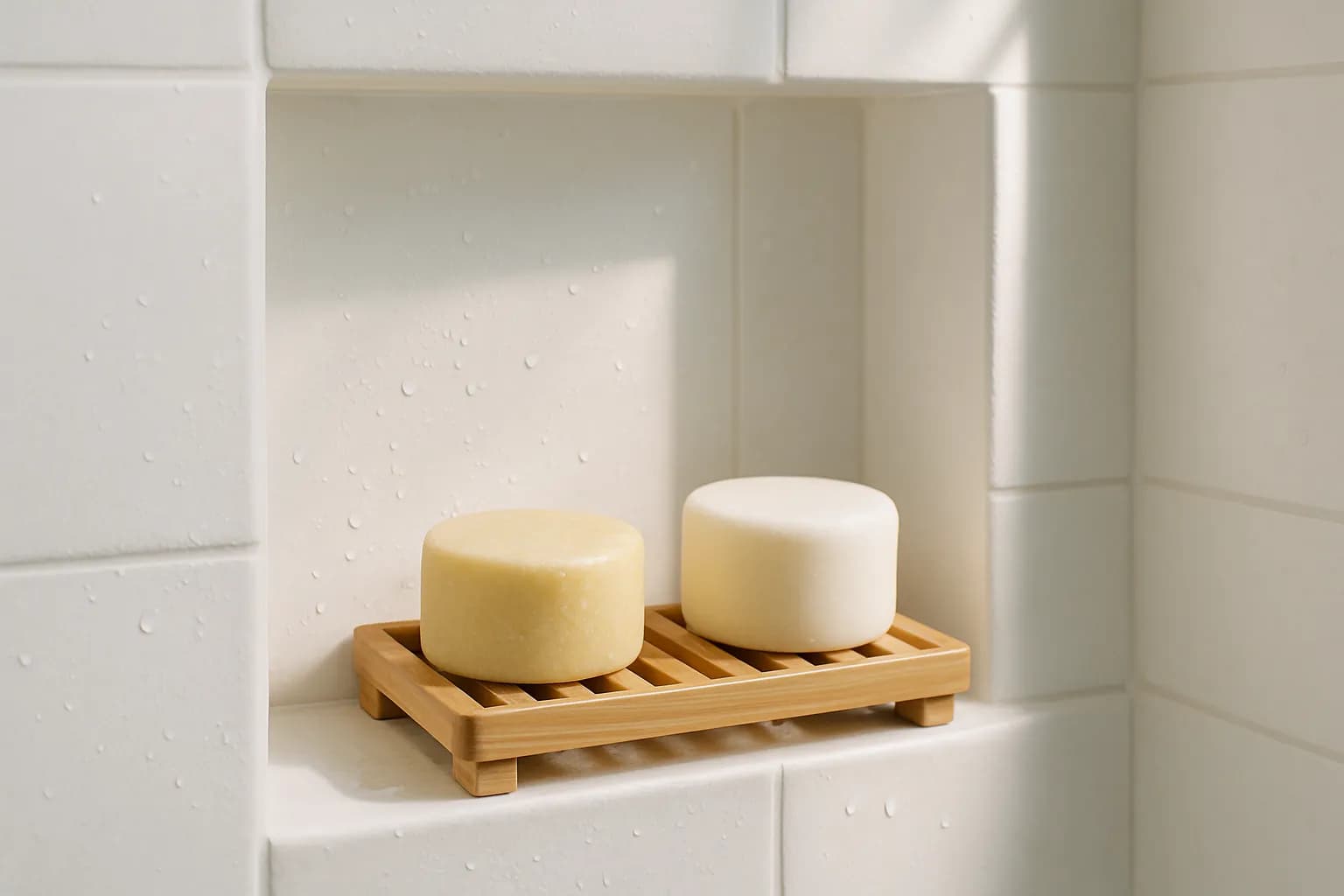
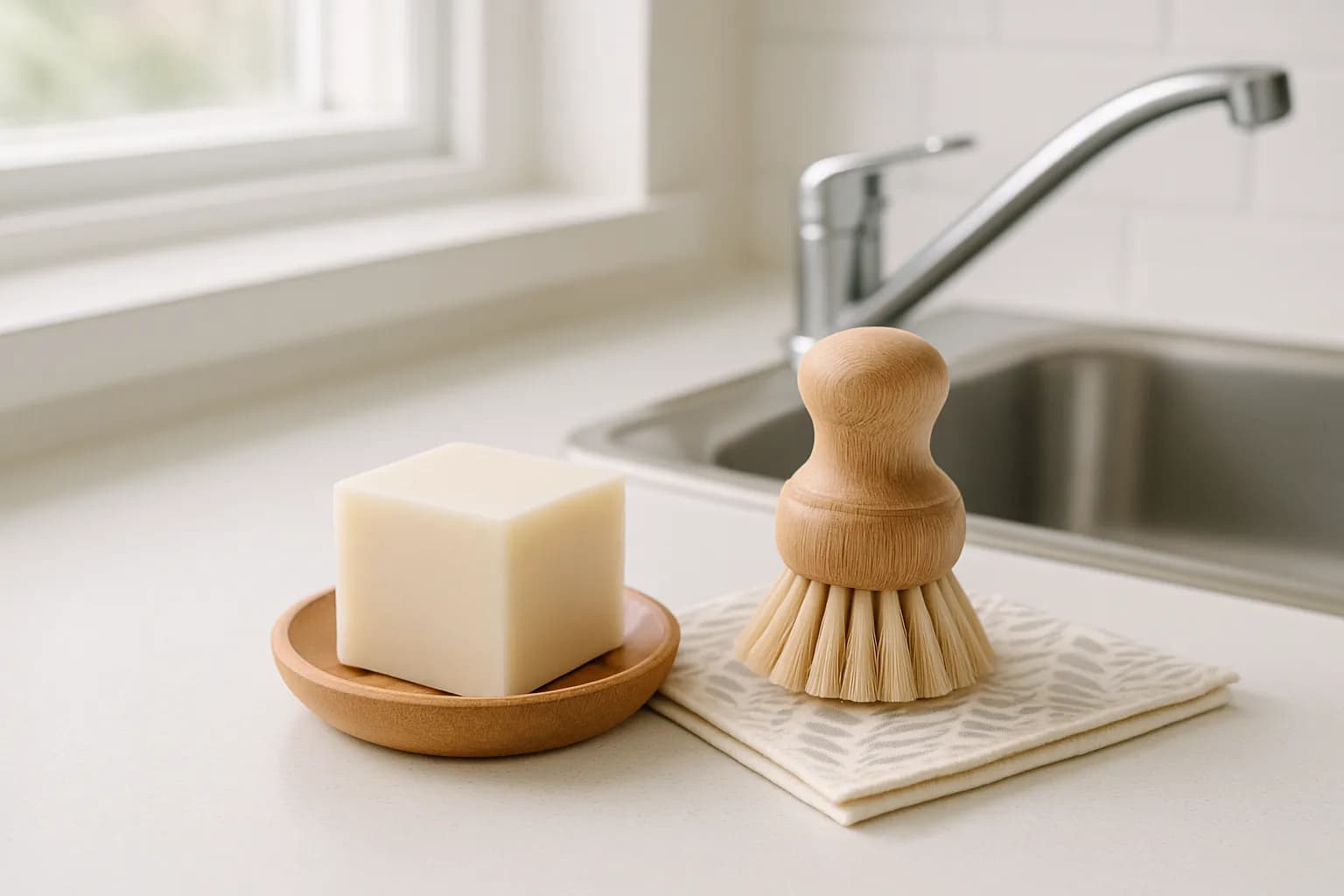
Whatever you choose, keep it on a draining dish or a raised soap tray. A solid dish bar or block that sits in its own puddle turns soft and disappears fast; kept dry between uses, it lasts far longer.
The problem with regular washing-up liquid
Conventional dish soap is mostly water sold in a plastic bottle. You pay to ship that water around the country, and the bottle, even when it is technically recyclable, often is not recycled. Add a plastic sponge that sheds microplastics and gets binned every couple of weeks, and the humble sink quietly becomes one of the more wasteful spots in the house.
Your zero-waste dish soap options
There are three real routes, plus the tools that make any of them work.
Solid dish soap bars and blocks
A solid dish soap bar or block is the simplest swap. You wet your brush or cloth, swirl it on the block to load it up, and wash as normal. One block replaces several bottles of liquid, ships without water weight, and usually comes in paper or no packaging at all.
The catch is that a block gives you less instant lather than a squirt of liquid, and in very hard water it can feel less sudsy. Use a brush to work up the foam and it is a non-issue for everyday dishes.
Refillable liquid dish soap
If you are attached to liquid, a refill is the greener version: buy concentrate or refill a glass bottle from a bulk store, and keep reusing the same pump. It behaves exactly like the soap you know, so there is no adjustment at all. The limitation is access, since you need a refill shop or a concentrate you can top up from.
DIY dish soap
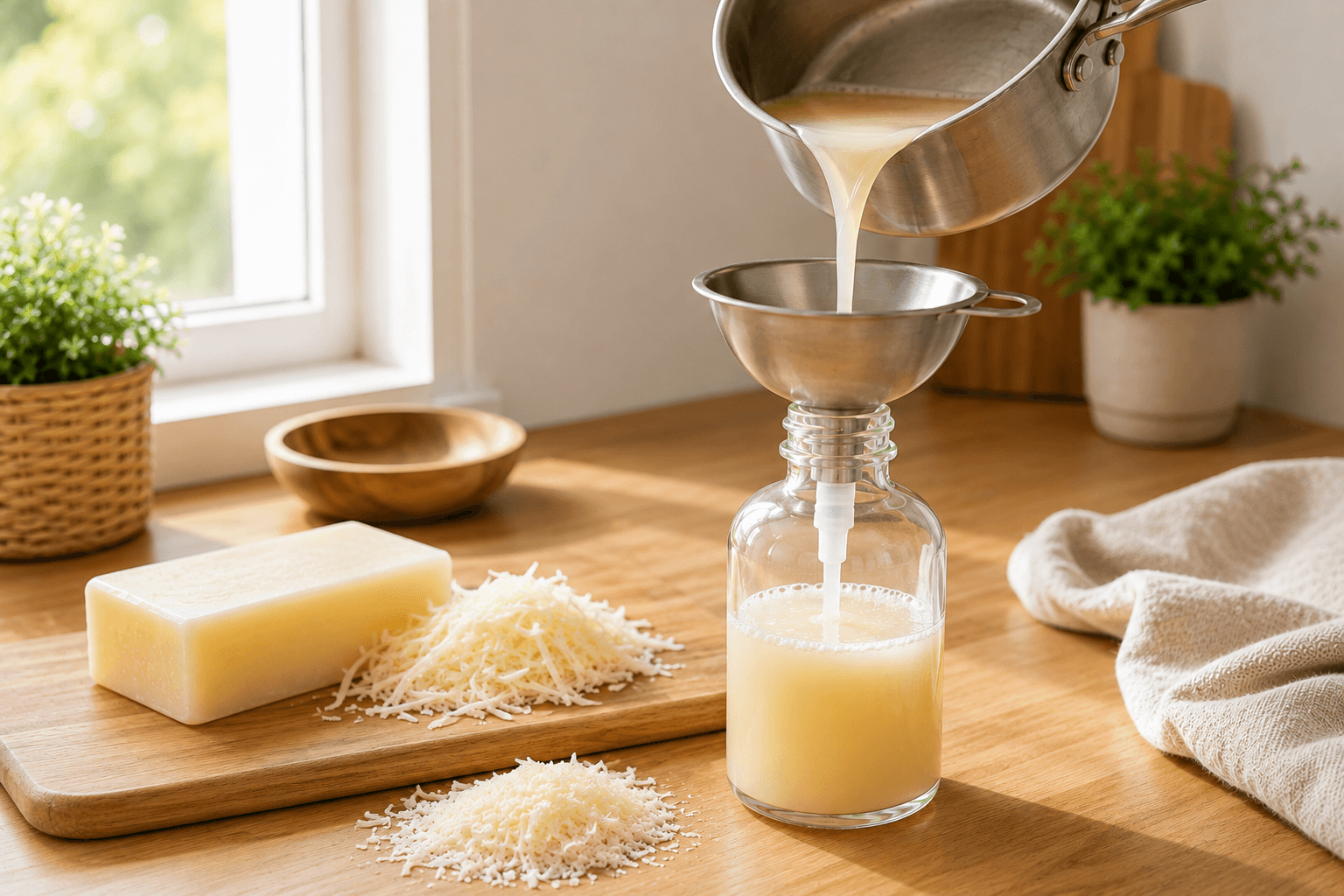
You can make your own from grated castile soap, hot water and a little washing soda. It is cheap and package-free, but it is honestly the fiddliest option: homemade dish soap separates, lathers less, and can go gloopy, so most people find a bar or a refill easier to live with day to day.
| Option | Best for | The honest catch |
|---|---|---|
| Solid bar or block | The simplest, longest-lasting swap | Less instant lather; keep it dry |
| Refillable liquid | People who want zero adjustment | Needs a refill shop or concentrate |
| DIY | The cheapest, most package-free | Fiddly, separates, lathers least |
How to wash up with a dish block
It is genuinely simple. Wet a dish brush or cloth, rub it over the block a few times to load it with soap, and wash as you normally would. Top up the brush as the suds fade. For a greasy pan, a splash of hot water and a firmer brush does more than extra soap ever will.
The honest trade-offs
Zero-waste dish soap is not magic. In hard-water areas the lather is thinner, so you learn to trust "clean" over "foamy." Heavily greasy cookware still wants hot water and a bit of effort. And a block only saves waste if you actually keep it dry enough to last. None of these are dealbreakers, but they are worth knowing before you switch, so you pick the format that fits your kitchen rather than giving up in week one.
The tools that make it work
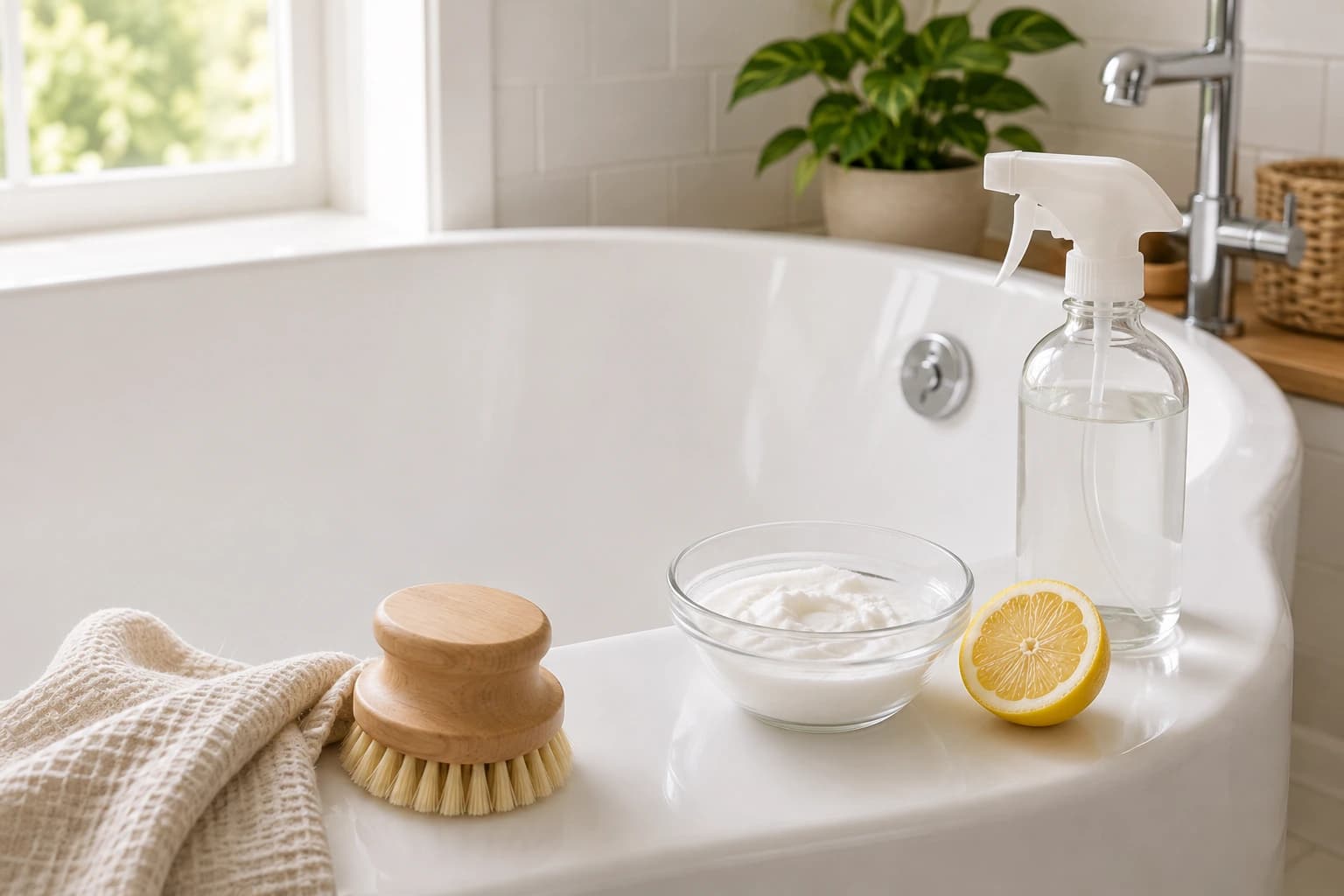
The soap is only half the job. What you scrub with matters just as much, and this is where the biggest everyday waste hides. Swap the disposable plastic sponge for a reusable, compostable scrubber and a washable cloth, and the sink becomes almost waste-free.
Two swaps do most of the work here: our pick of the Skoy dish scrubbers replaces the throwaway sponge with a flat, compostable pad that never goes smelly, and Swedish dishcloths out-absorb paper towels for wiping down as you go. Pair either with a natural-bristle brush and your zero-waste dish soap has everything it needs.
The bottom line
For most people, a solid dish soap block plus a compostable scrubber is the easiest, longest-lasting zero-waste swap at the sink, with a refill as the no-adjustment alternative. Keep the soap dry, trust clean over foam, and you will quietly retire a steady stream of plastic bottles and sponges from your kitchen.
Ecoxee is an Amazon Associate and may earn from qualifying purchases through these links. Learn more.

Skoy Reusable Dish Scrubbers (4-pack)
Flat, quick-drying cellulose-and-cotton scrubbers that replace disposable sponges: non-scratch, dishwasher-safe, and compostable at the end of their long life.
Read our full review →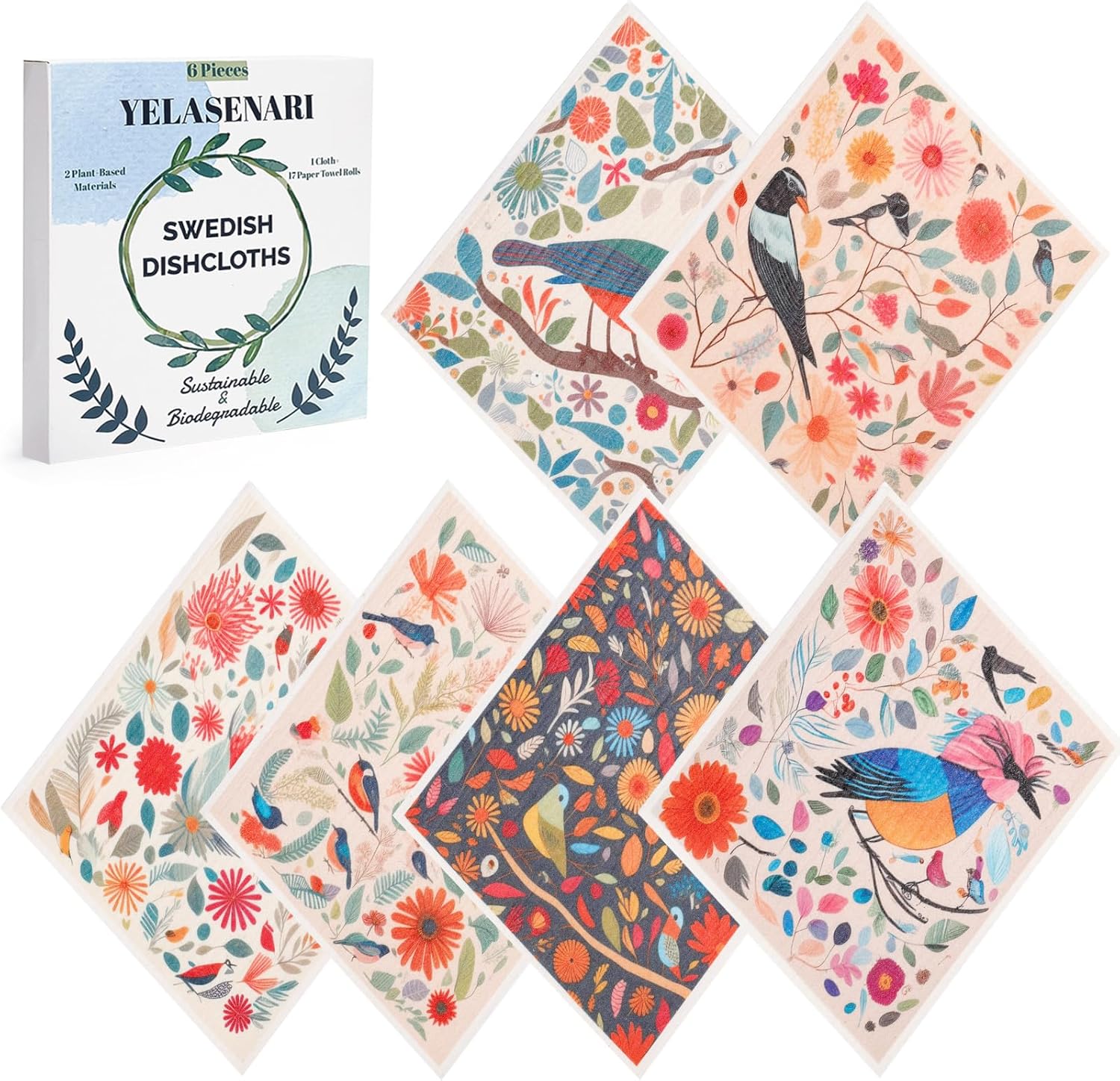
Swedish Dishcloths (6-pack)
Super-absorbent cellulose-and-cotton cloths that soak up far more than a paper towel, wash clean, and compost at the end: the swap that finally replaces the paper-towel roll.
Read our full review →For more low-waste swaps, browse our zero-waste home guides or the full Ecoxee shop.
Keep reading: Zero-Waste Laundry Detergent: Strips, Powder & More, Zero-Waste Shampoo Bars: How to Switch, and Zero-Waste Toothpaste: Tabs, Powder & Jars.