You do not need a cupboard full of harsh chemical sprays to get a sparkling tub. A good DIY bathtub cleaner comes down to two cheap, non-toxic staples you probably already have: baking soda and a little liquid soap. Together they make a gentle scrub that lifts grime, rings, and everyday dirt without the fumes or the endless plastic spray bottles.
Here is how to make a DIY tub cleaner that actually works, plus a separate spray for soap scum and hard water, and the one safety rule you must never break.
Make the scrub fresh each time — it takes 30 seconds. A baking-soda-and-soap paste works best while it is still moist, so there is no need to bottle it up.
The everyday tub scrub (soft scrub)
This is your workhorse for general cleaning and bathtub rings.
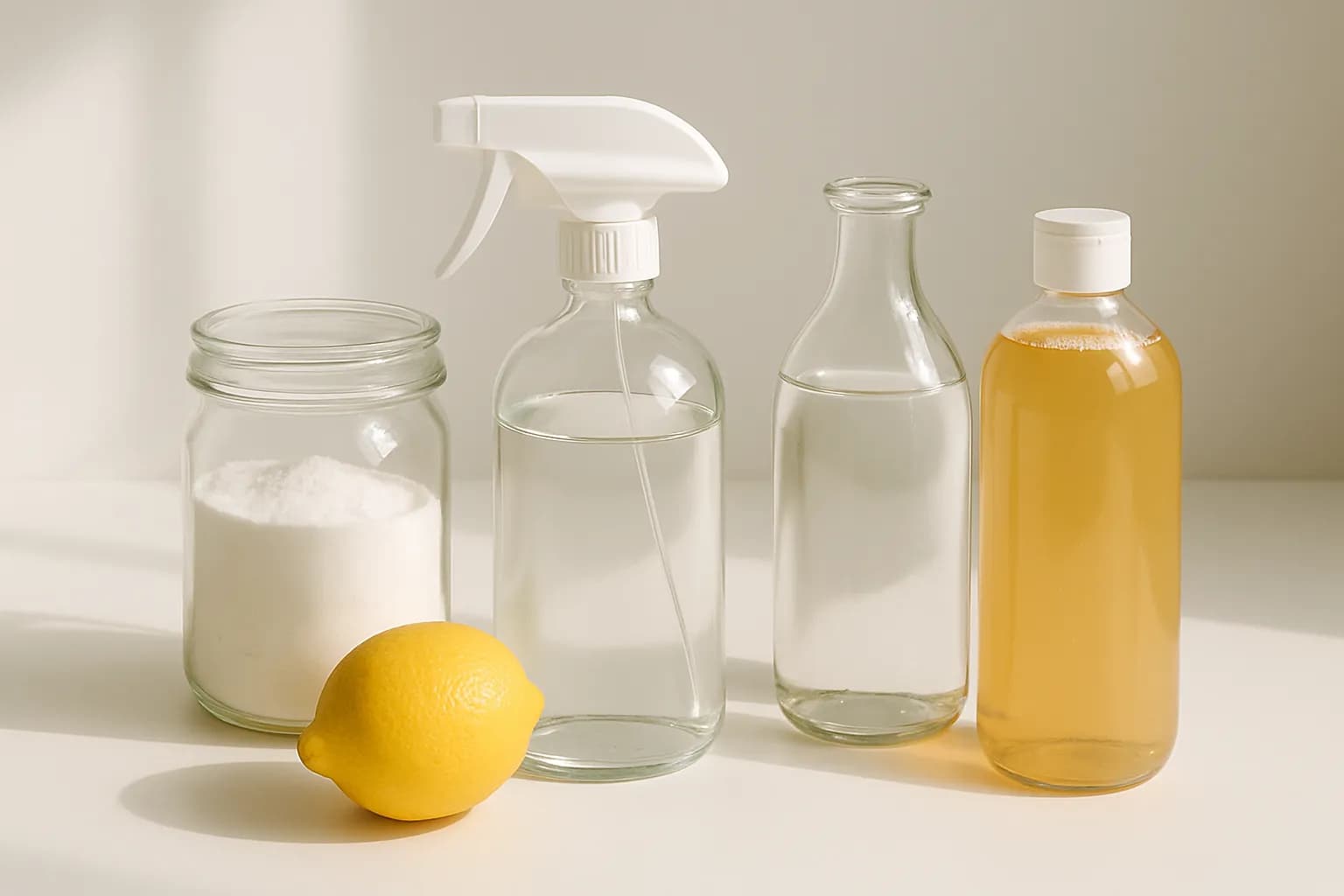
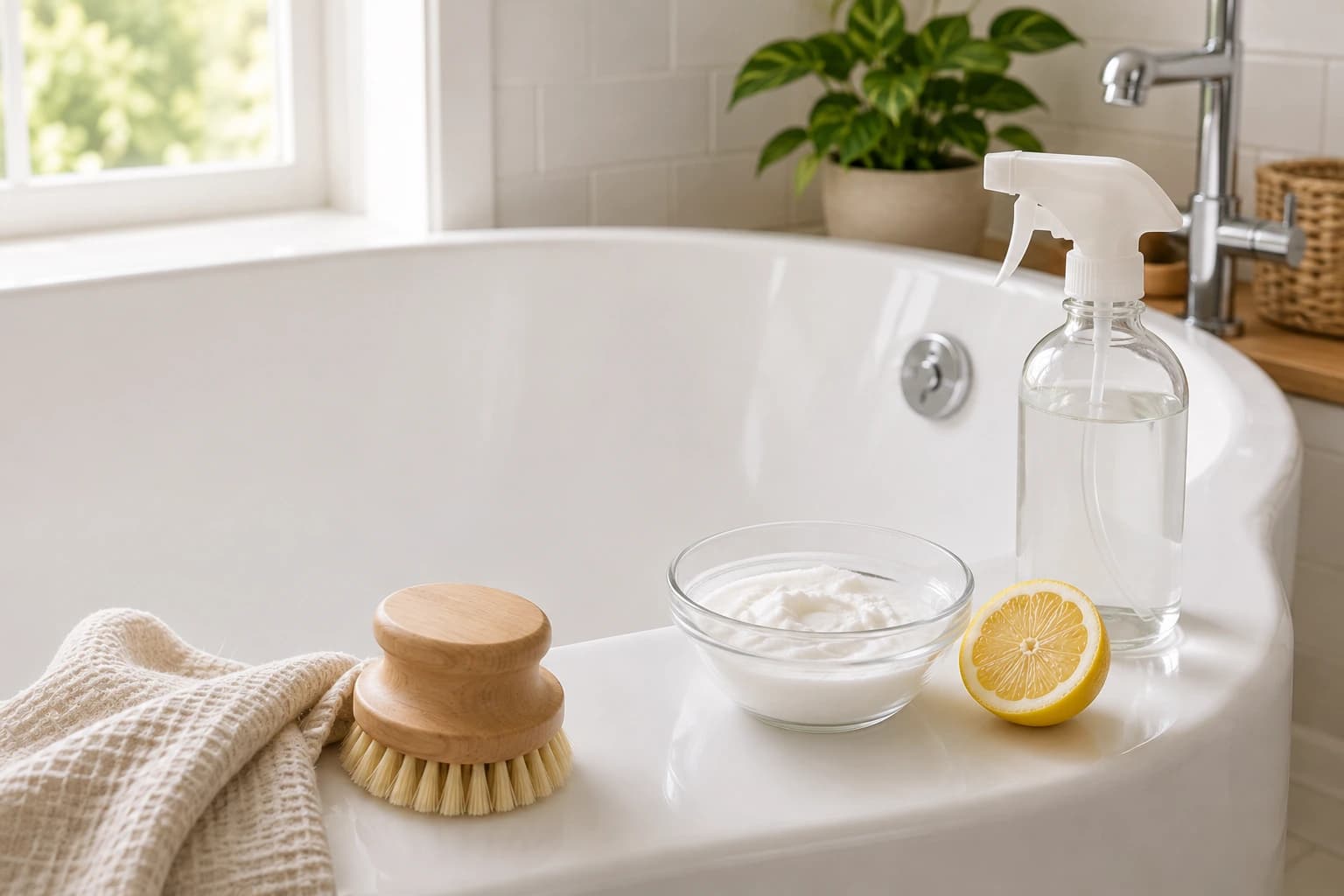
You need: about 1/2 cup baking soda and a few tablespoons of liquid castile soap (or a plant-based dish soap). Optional: 5 to 10 drops of an essential oil like tea tree or lemon for scent.
- Stir the baking soda and soap together into a spreadable paste — a bit like thick frosting.
- Spread it over the damp tub surface and let it sit for 10 to 15 minutes.
- Scrub with a brush or a cut-side-down half lemon for stubborn spots, then rinse well with warm water.
The baking soda is a gentle abrasive that will not scratch enamel or acrylic, and the soap cuts through body oils and grime.
For soap scum and hard water: a vinegar spray
Baking soda handles grime, but soap scum and hard-water film need an acid. That is where plain white vinegar comes in.
Mix equal parts warm white vinegar and water in a spray bottle. Spray it on, wait 15 to 30 minutes, then wipe and rinse. Warming the vinegar first makes it far more effective on stubborn scum.
Which cleaner for which job
| The job | Use this | How |
|---|---|---|
| Everyday grime and tub rings | Baking soda + soap scrub | Spread, wait 15 min, scrub, rinse |
| Soap scum and hard-water film | Warm vinegar spray | Spray, wait, wipe, rinse |
| Lingering odours or a fresh drain | Baking soda alone | Sprinkle, leave, rinse away |
The one rule you must never break
Never mix these cleaners with bleach or any commercial cleaner. Vinegar (and many store-bought products) combined with bleach releases toxic chlorine gas. Use one cleaner, rinse, then use another if you need to — never together, and never with bleach in the room.
Two more quick cautions:
- Do not mix the vinegar and the castile-soap scrub together. Soap is alkaline and vinegar is acidic, so combining them cancels both out and leaves a curdled white film. Use them as two separate steps — scrub first, rinse, then spray.
- Skip vinegar on natural stone. If your tub surround is marble, travertine, or another natural stone, acid will etch it. Stick to the baking-soda scrub there.
Keeping the tub cleaner between cleans
A little prevention means you barely need to scrub at all:
- Rinse and squeegee the tub or tiles after a shower to stop soap scum and hard-water film building up.
- Wipe it down with a dry cloth once a week — thirty seconds beats a deep clean.
- Ventilate the bathroom so it dries out; damp is what grows mildew.
- Switch to a low-scum bar soap or body wash if hard-water film is a constant battle — less residue to clean off in the first place.
A quick honesty note
These are cleaners, not disinfectants. They lift dirt, oils, and soap scum brilliantly, but they are not a registered product for killing germs. If someone in the house has been ill and you need to disinfect, that is a different job — for everyday cleaning, though, this is all most tubs ever need.
Why go the DIY route
A jar of baking soda and a bottle of castile soap cost a fraction of branded bathroom sprays and replace a whole shelf of single-use plastic bottles. There are no harsh fumes, nothing questionable washing down the drain, and you can buy both package-free or in recyclable cardboard. It is one of the simplest, cheapest zero-waste swaps you can make in the bathroom.
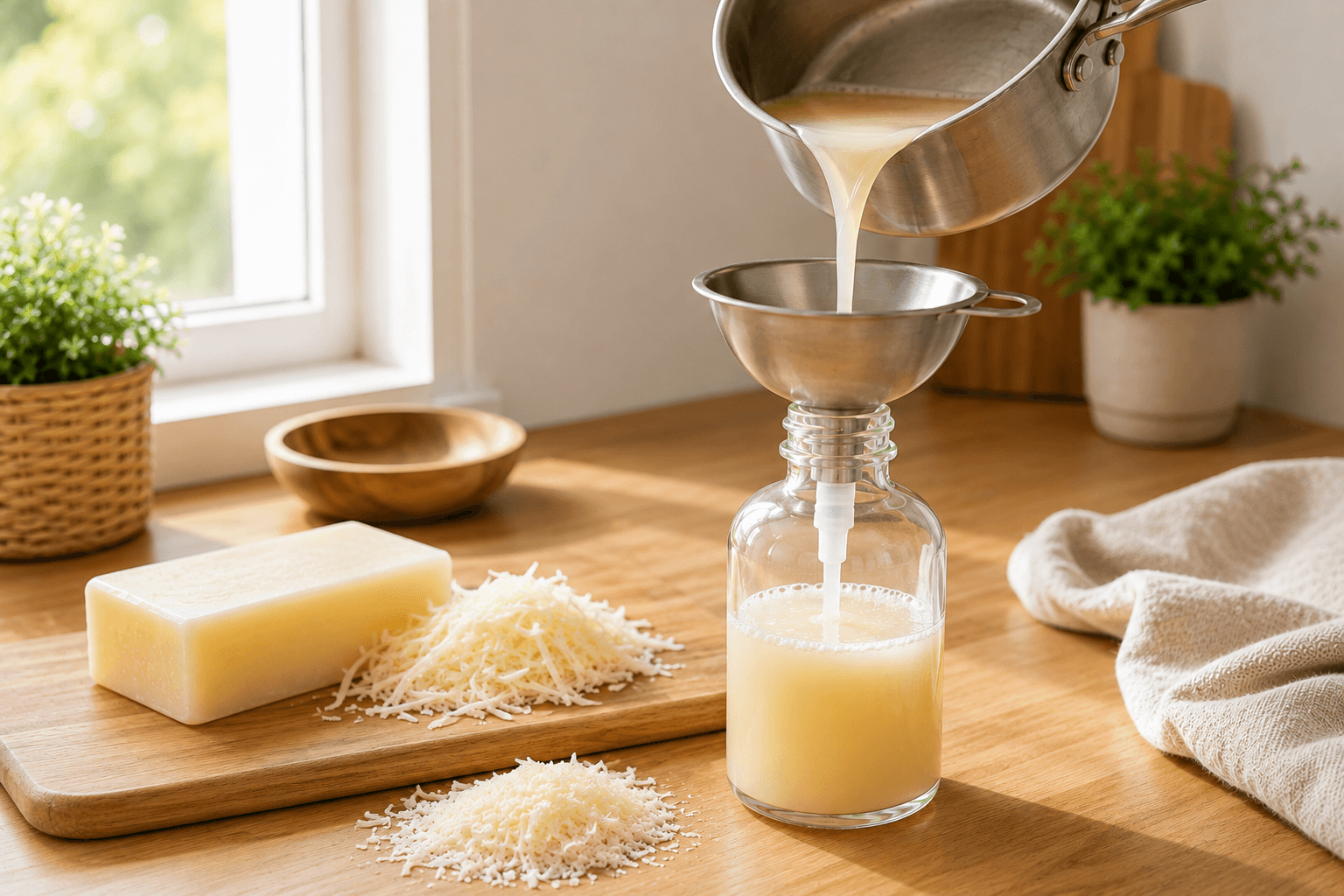
Pair it with our guide to making your own liquid soap from a bar, and browse more zero-waste home guides for the rest of the house.
Keep reading: How to Make Liquid Soap from Bar Soap, Is Silicone Plastic? The Honest Answer, and How to Make Homemade Natural Cleaning Products.