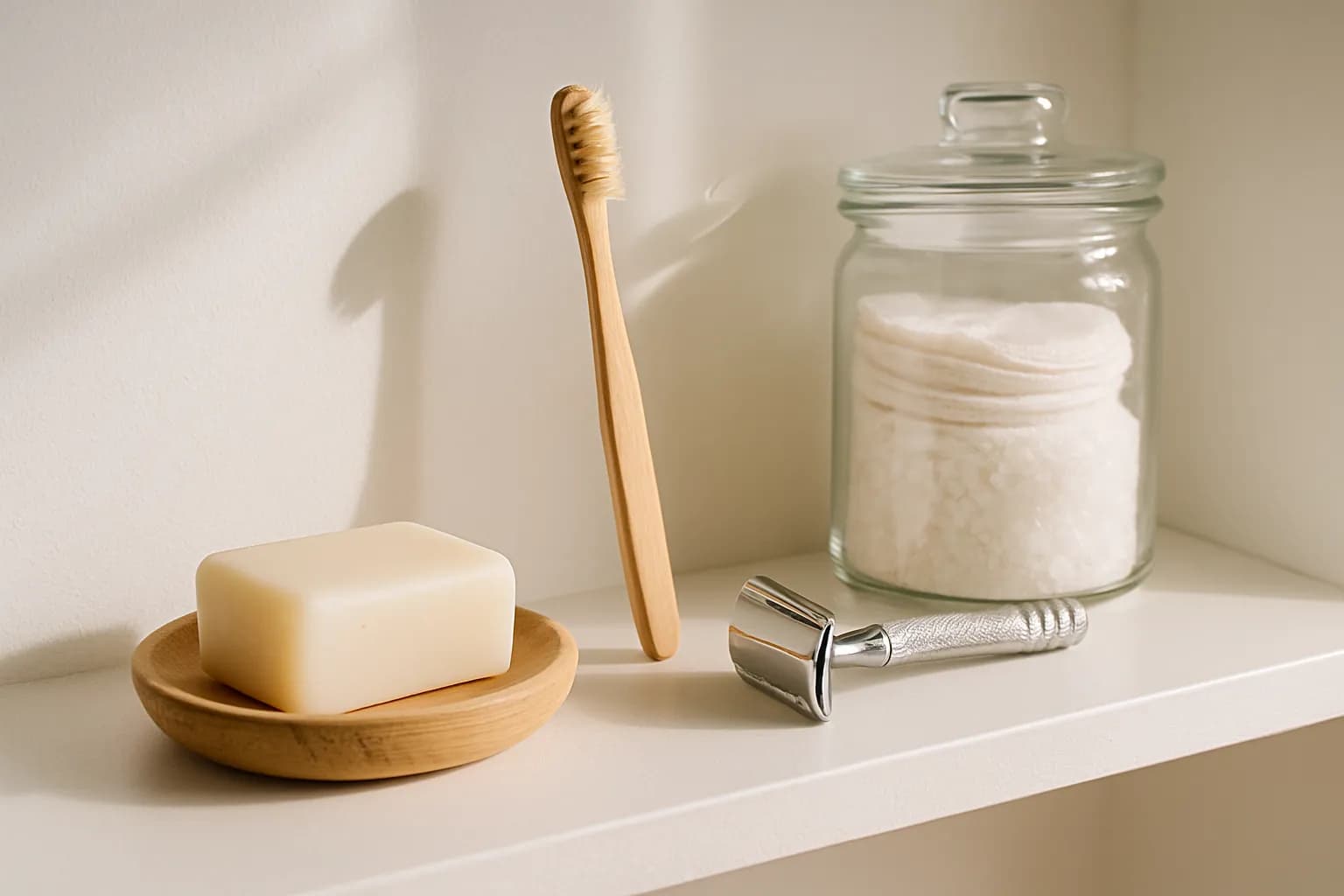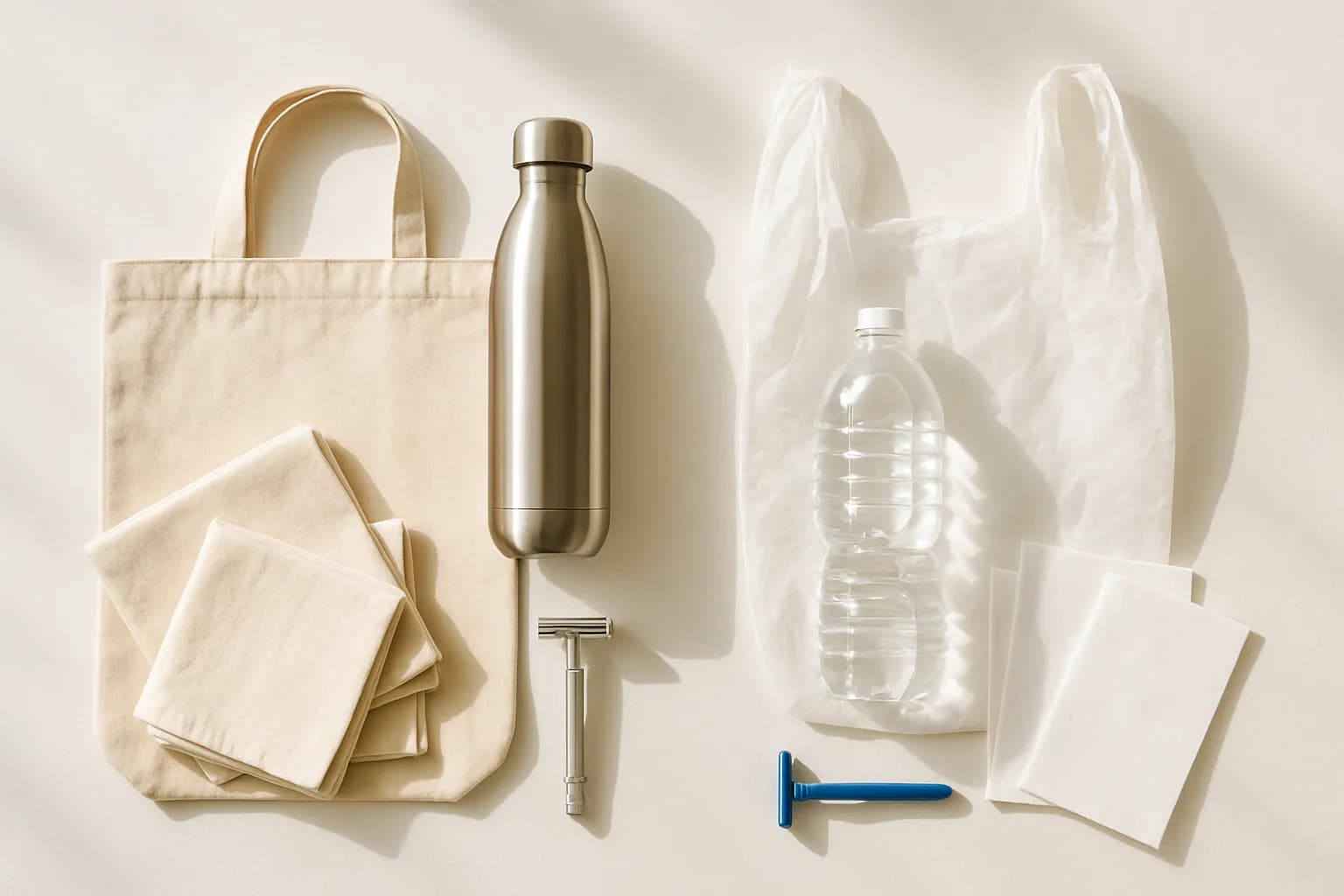
Turning a bar of soap into liquid soap is one of the easiest zero-waste swaps there is. It uses up every last sliver of soap, saves you from buying plastic pump bottles again and again, and costs just pennies a batch. If you have a bar of soap, a grater, and some water, you already have everything you need to make your own liquid hand soap.
Here is exactly how to make liquid soap from bar soap, step by step, plus how to get the consistency right and how to turn it into foaming hand soap.
Keep a small jar by the sink and drop in the thin slivers left at the end of each bar. When the jar is full, you have a free batch of liquid soap waiting to be made.
What you will need
- 1 bar of soap (about 1 cup once grated) — or a jar of saved soap slivers
- 4 cups of water
- 1 tablespoon of vegetable glycerin (optional, but it keeps the soap smooth and stops it turning gloopy)
- A box grater or a knife
- A pot or a heatproof bowl
- A whisk or spoon
- A funnel and a refillable pump or foaming dispenser
Any real soap works. A simple, natural or castile bar gives the cleanest result. Heavily moisturising "beauty bars" can turn stringy, so keep those for a foaming dispenser (more on that below).
How to turn bar soap into liquid soap
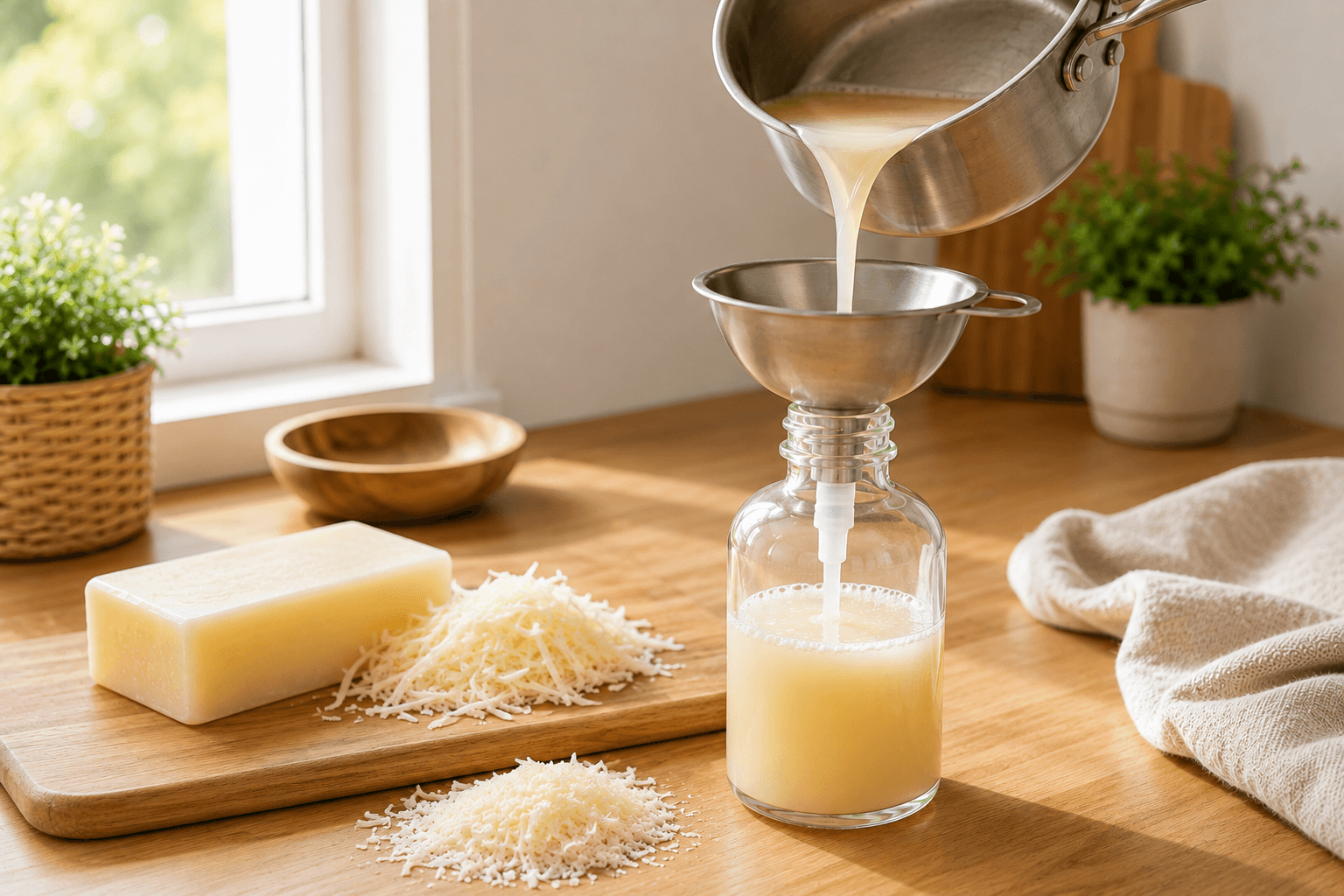
- Grate the bar. The finer you grate, the faster it dissolves. One standard bar makes roughly a cup of shavings.
- Heat the water. Bring your 4 cups of water almost to a boil, then take it off the heat.
- Dissolve the soap. Stir the grated soap into the hot water until it fully melts and the mixture looks uniform.
- Add glycerin (optional). Stir in the tablespoon of glycerin now. It helps the finished soap stay pourable instead of setting into a gel.
- Rest it overnight. Cover the pot and leave it for 12 to 24 hours. It will thicken a lot as it cools, which is completely normal.
- Adjust the consistency. The next day, whisk it smooth. Too thick? Whisk in a little warm water. Too runny? Gently reheat and melt in a bit more grated soap.
- Decant. Funnel your liquid soap into a clean pump bottle, and you are done.
Getting the ratio right
Consistency is all about the soap-to-water ratio. Start here and tweak to taste:
| You want | Bar soap | Water |
|---|---|---|
| Standard liquid hand soap | 1 cup grated | 4 cups |
| Thicker, richer soap | 1 cup grated | 3 cups |
| Foaming hand soap | 1 cup grated | 6 to 8 cups |
Homemade liquid soap is naturally thinner than the store-bought kind, which is thickened with additives, so do not be surprised if yours is a little looser. It cleans just as well.
Turn it into foaming hand soap
Foaming soap is actually the easiest and most forgiving version, and it stretches a single bar the furthest. Use a much higher water ratio — around 1 part grated soap to 6 to 8 parts water — so the mixture stays thin, then pour it into a foaming pump dispenser. The pump does the work, whipping the thin soap into a soft foam. This is also the best way to use up moisturising bars that would otherwise turn stringy.
Troubleshooting
- It set into a solid gel. Too much soap, or no glycerin. Reheat, whisk in more water, and add glycerin.
- It is stringy or snotty. Common with moisturising bars. Blend it smooth with a hand blender, or switch that batch to a foaming dispenser.
- It separated. Just whisk or shake before use. A little separation is normal with a no-additive soap.
- It will not lather much. Homemade soap lathers less than commercial soap, which is full of foaming agents. It is still cleaning perfectly well.
Is homemade liquid soap hygienic?
Yes. Soap does not need to be labelled "antibacterial" to work — it cleans by lifting dirt, oils and germs off your skin so they rinse away down the drain, and homemade soap does that just as well as the branded kind. A couple of sensible habits keep the soap itself fresh: use clean water, keep the dispenser closed between uses, and make batches small enough to get through in a few weeks. If a batch ever smells off, tip it out and make a fresh one — it costs pennies.
Why this is a genuine zero-waste win
A single refill like this replaces a steady stream of plastic pump bottles — the kind that are rarely recycled and pile up fast. Buy your bar soap package-free or wrapped in paper, keep a refillable glass dispenser on the counter for years, and use the sliver jar so nothing goes to waste. It is a tiny habit that quietly removes a lot of single-use plastic from your home.
For more low-waste swaps, browse our zero-waste home guides.
Keep reading: Is Silicone Plastic? The Honest Answer, How to Make Homemade Natural Cleaning Products, and How to Make Reusable Beeswax Wraps at Home.