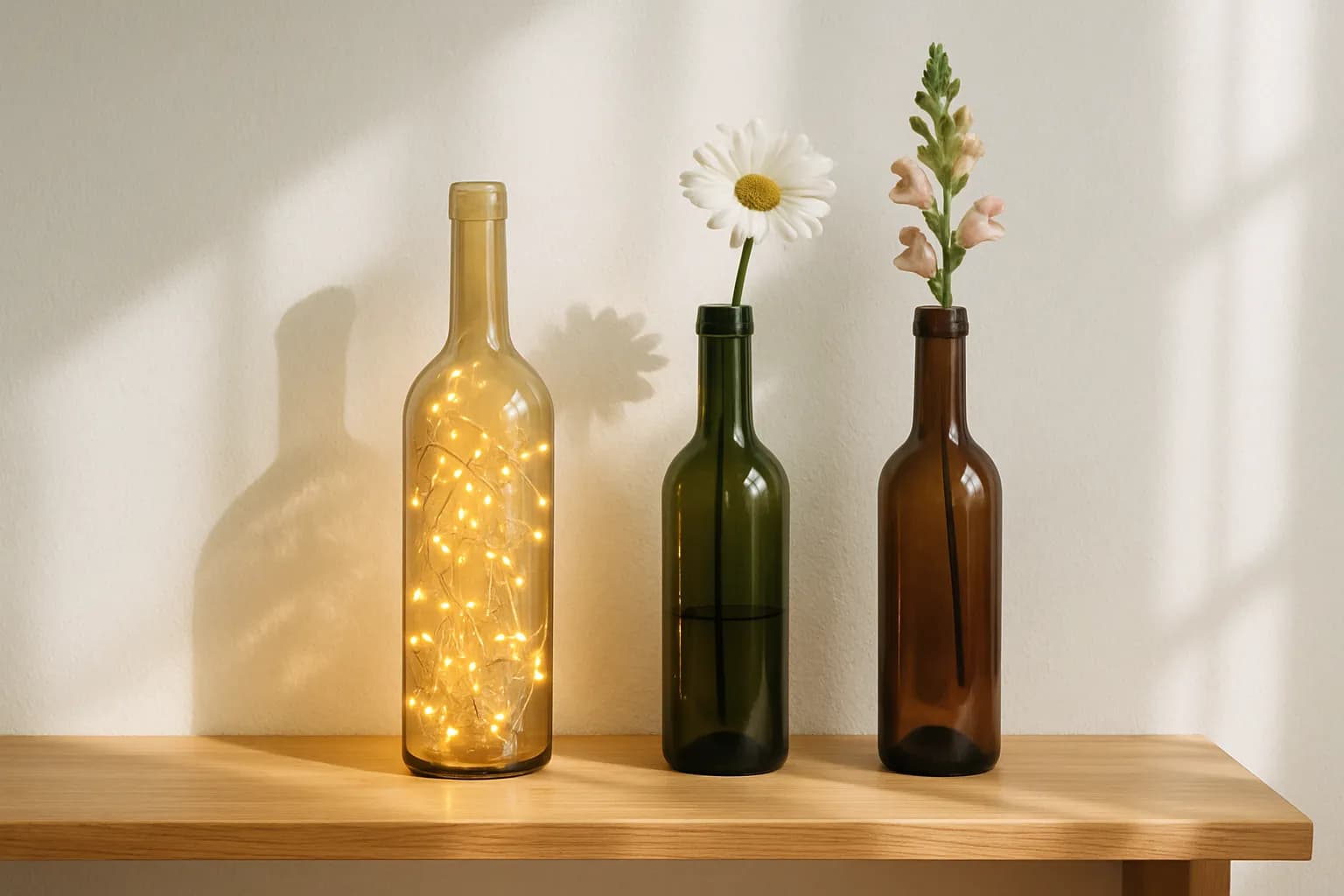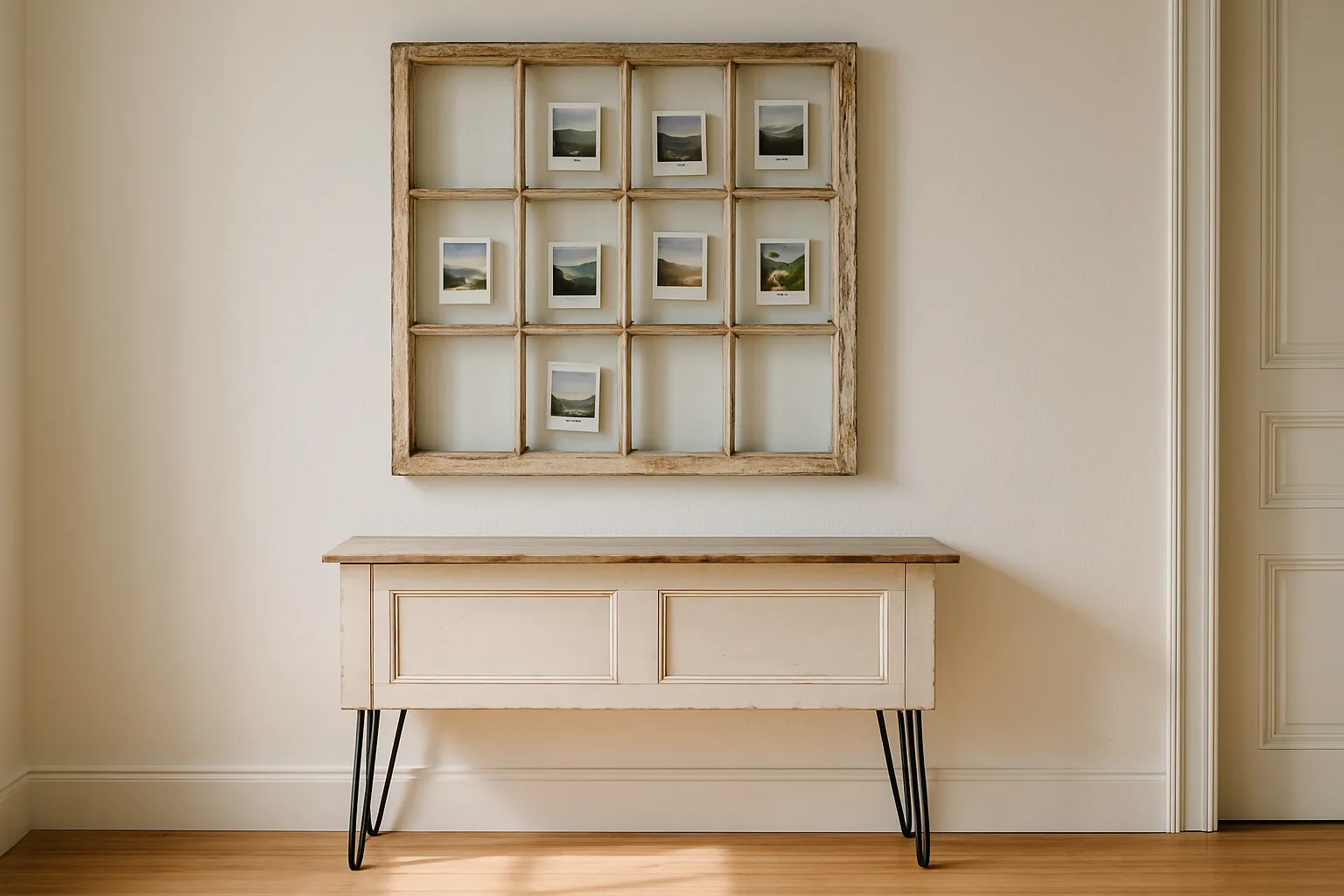
Salvaged old windows and doors are a decorator's dream — full of character, solid, and often free from renovations or salvage yards. A paned window becomes a photo display or a greenhouse; a panelled door becomes a table or a headboard.
With a clean-up and a little imagination you can upcycle architectural salvage into statement pieces. Here's how — plus one important safety check first.
Safety first: old paint
Windows and doors made before the late 1970s and early 1980s may carry lead-based paint. Don't sand or heat-strip it — that releases toxic dust and fumes. Test it with an inexpensive lead kit; if it's positive, seal it under a fresh coat rather than sanding, keep the piece away from children and food surfaces, or simply choose a different one. When in doubt, don't sand.
Old window projects
- Multi-photo frame — a photo displayed behind each pane.
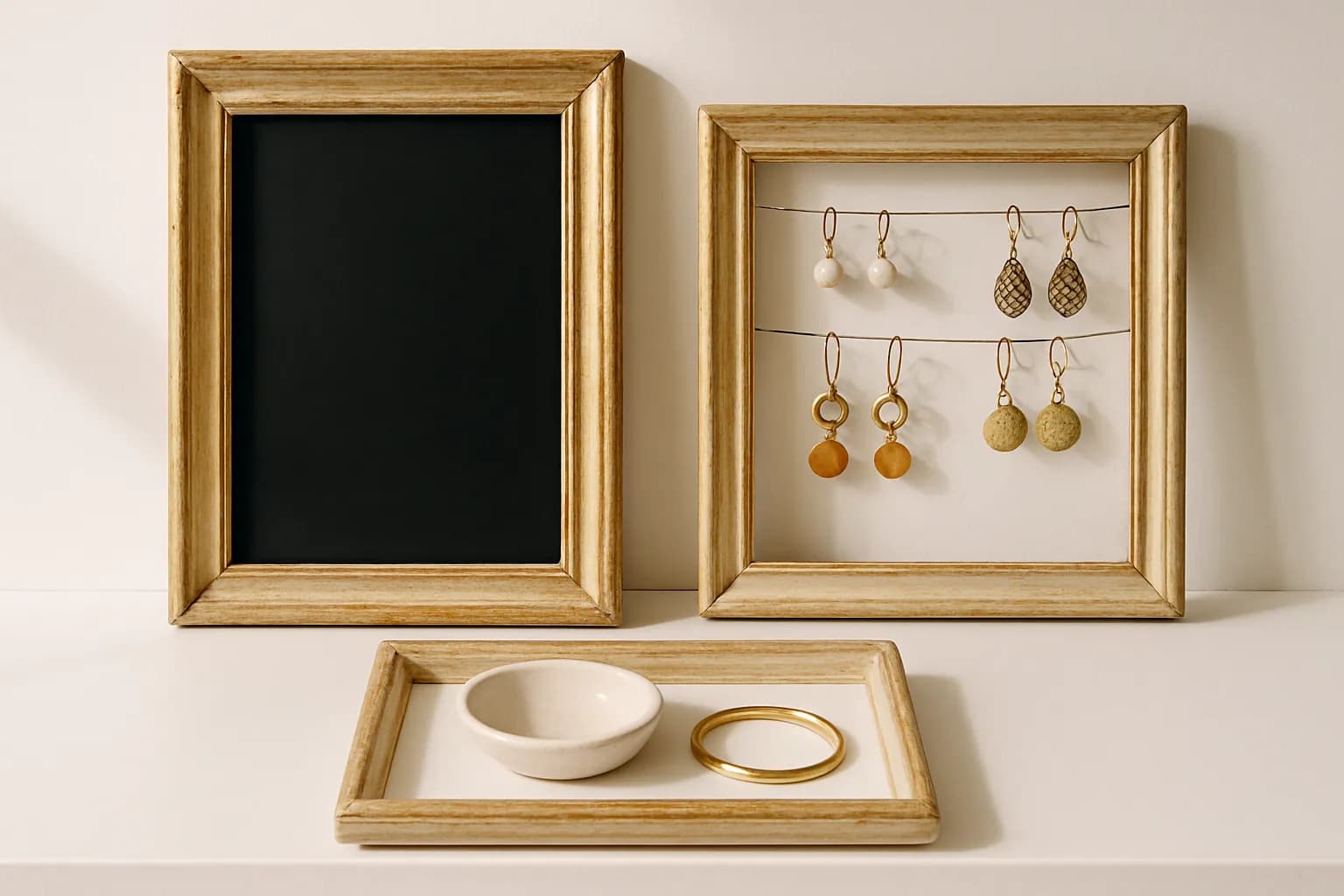
- Chalkboard or message board — paint the panes.
- Greenhouse or cold frame — several windows built into a frame.
- Room divider or headboard.
- Mirror — swap the panes for mirror glass.
Old door projects
- Dining or console table — a door on legs.
- Headboard — a panelled door behind the bed.
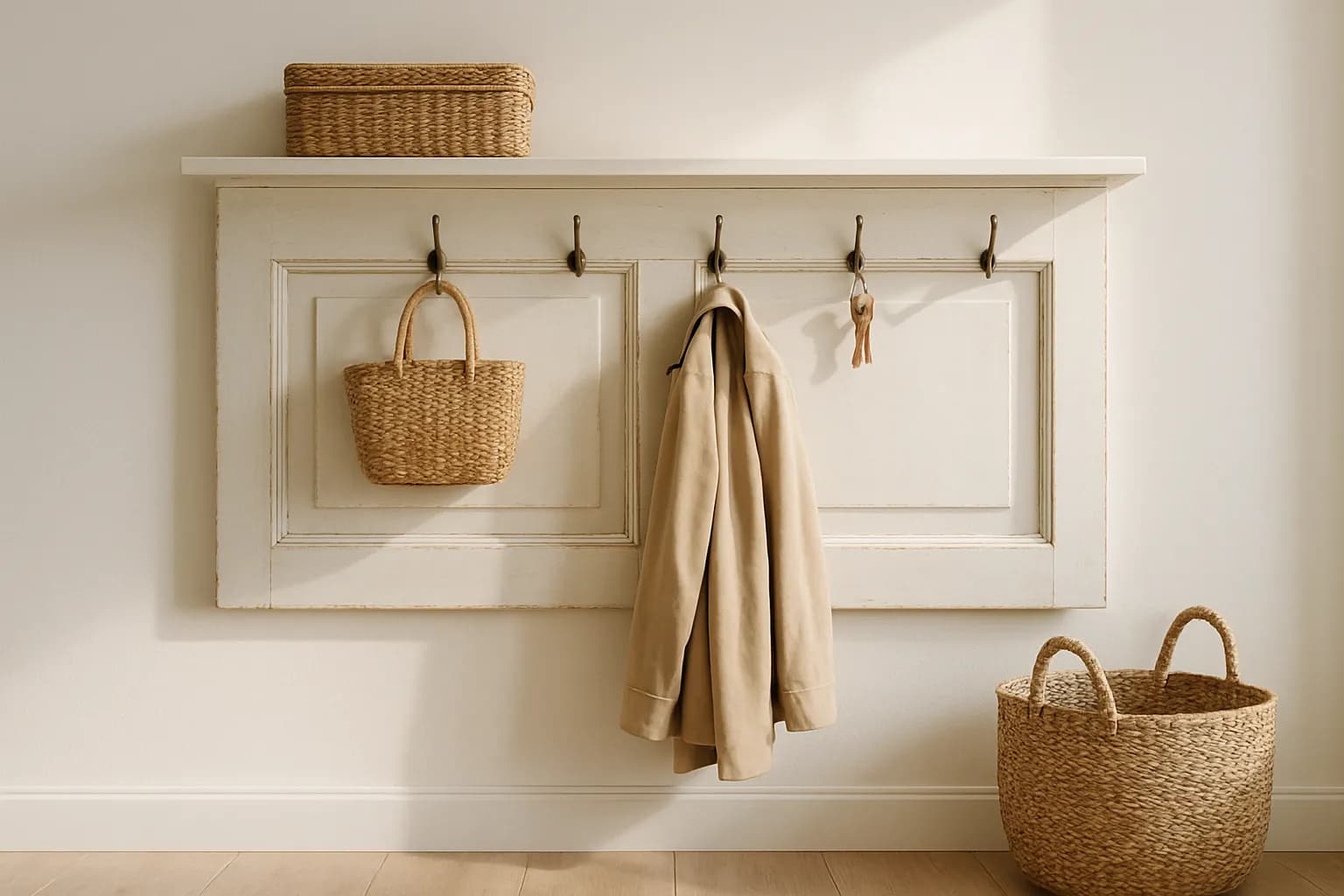
- Coat rack — a door fitted with hooks and a small shelf.
- Bench, desk, sliding barn door, or garden gate.
Finishing tips
Clean gently, seal old paint rather than sand it (see the safety note), and wax or repaint only if it's lead-free. These pieces are heavy, so mount and anchor them securely. It's the same furniture-rescue spirit as turning wooden crates into shelves.
Rescued a window or door? Share your salvage project in the comments at ecoxee.com — the more architectural, the better.
Keep reading: How to Upcycle Old Sweaters, Unexpected Household Items You Can Turn Into Planters, and Wine Cork Crafts: Creative Ideas Using Saved Corks.