Home & Kitchen · Review
Silicone Baking Mat
A thick, non-stick silicone mat that lines baking trays and doubles as a rolling surface, replacing disposable parchment paper and foil batch after batch.
🌿 Ecoxee decision: Worth it if you bake even semi-regularly.
If you go through parchment paper or foil when you bake, one mat quietly replaces years of it. If you rarely bake, it will live in a drawer, so skip it.
Ecoxee is an Amazon Associate and may earn from qualifying purchases. Learn more.
Best for
Not ideal for
Before you buy: do you actually need this?
Worth buying if…
- You bake often enough to buy parchment or foil
- You want to stop using single-use liners
- You roll dough or make pastry
- You will actually reach for it, not shelve it
Probably skip it if…
- You rarely bake
- You already own a baking mat
- You mostly cook rather than bake
The most sustainable option is often the one you already own.
Overview
Parchment paper and foil get used for a single tray and thrown away, batch after batch that adds up. A silicone baking mat replaces them for years: this thick, non-stick mat lines your trays so nothing sticks and there is no waste.
It doubles as a surface for rolling and kneading dough, usually with measurement guides printed on, and it is oven-safe to high temperatures and goes straight in the dishwasher when you are done.
The honest part is simple. Silicone is a synthetic material, the mat only matters if you actually bake, and you should check the temperature rating before using it under a broiler. If you bake even occasionally, though, one mat retires a whole cupboard of single-use liners.
What we like
- Non-stick, so no parchment or foil needed
- Doubles as a rolling and kneading surface
- Oven-safe to high temperatures
- Dishwasher-safe and easy to clean
- Lasts for years of batches
Worth knowing
- Only useful if you actually bake
- Silicone is a synthetic material
- Not for the highest broiler temperatures
- Takes up drawer space
- Cheaper mats can warp or smell if low quality
The honest trade-offs
The nuance most reviews leave out.
- Silicone is durable and more stable than plastic, but it is still synthetic and made with fossil-fuel inputs, so the eco case is repeated use over years.
- A mat only pays back after it replaces a lot of parchment, so it has to actually get used.
- It needs washing between uses, which uses a little water and energy, versus binning a sheet of parchment.
- If you bake once a year, the greenest choice is simply to skip it.
Sustainability breakdown
Our honest read on how eco-friendly this really is. Where we cannot verify something, we say so rather than guess.
Food-grade silicone, often with a fibreglass core: more stable than plastic, but synthetic.
Reusable for years and dishwasher-safe; a good mat outlasts countless rolls of parchment.
Silicone and any fibreglass core are not curbside-recyclable; specialist recycling only.
We could not confirm the packaging materials, so we are not going to guess.
Materials and temperature ratings are usually stated, but sourcing detail is limited.
If you don't buy it
If you rarely bake, this will sit in a drawer, so the greenest option is not to buy it. And if you already own a mat, keep it. Buy one if you bake often enough to be reaching for parchment paper or foil.

The Ecoxee verdict
A silicone baking mat is a quietly excellent swap for anyone who bakes: it retires a whole cupboard of single-use parchment and foil, doubles as a dough surface, and lasts for years. It is a synthetic material, so it is not impact-free, and it only matters if you actually bake. If you do, one good mat is an easy, low-fuss win; if you do not, skip it and save the drawer space.
Check Price on AmazonMore Home & Kitchen picks

Reusable Silicone Drinking Straws (with cleaning tool)
A small swap, but a genuinely useful one.
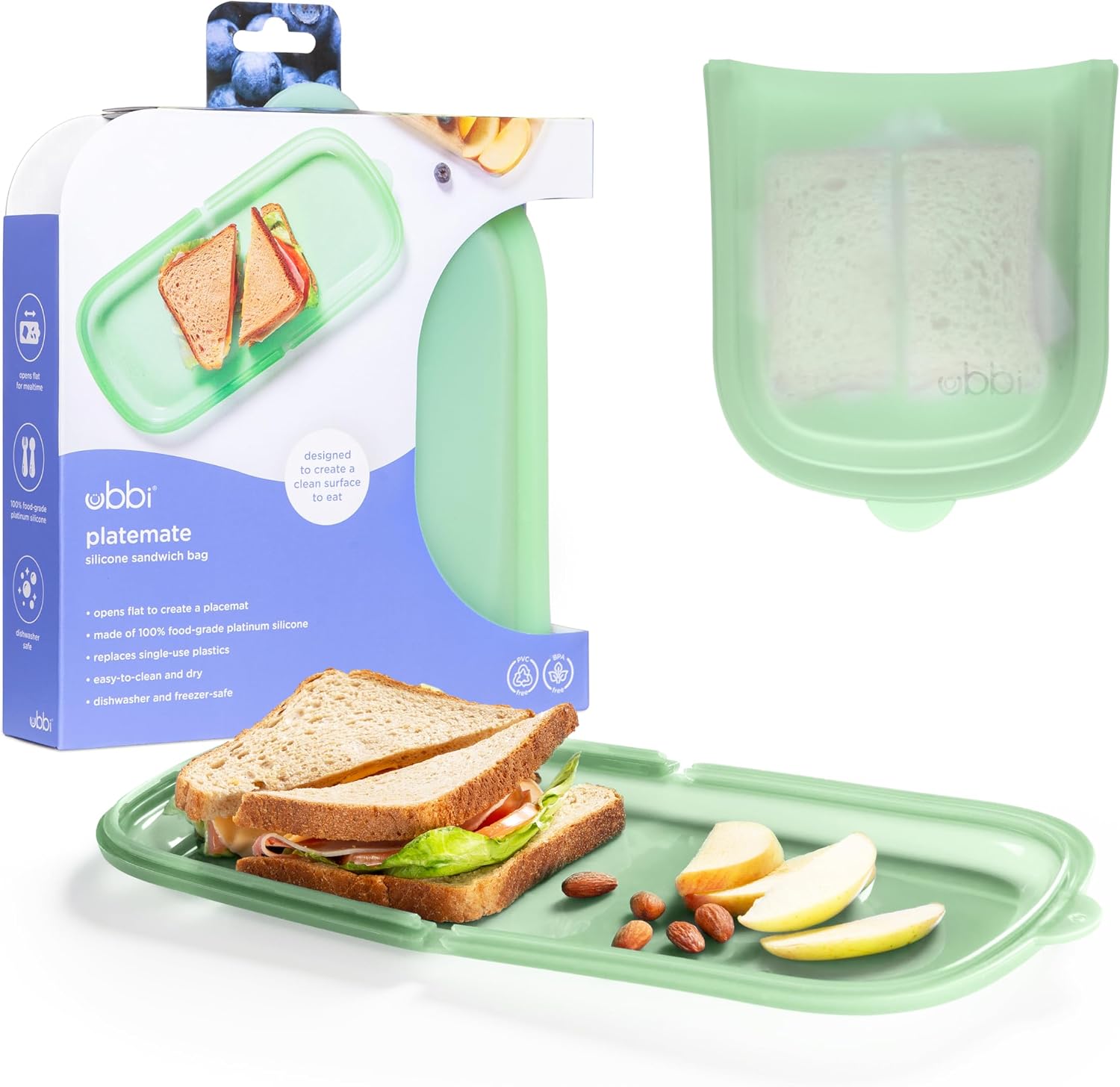
Ubbi Silicone Reusable Storage Bag
A solid swap if you are a heavy zip-bag user.
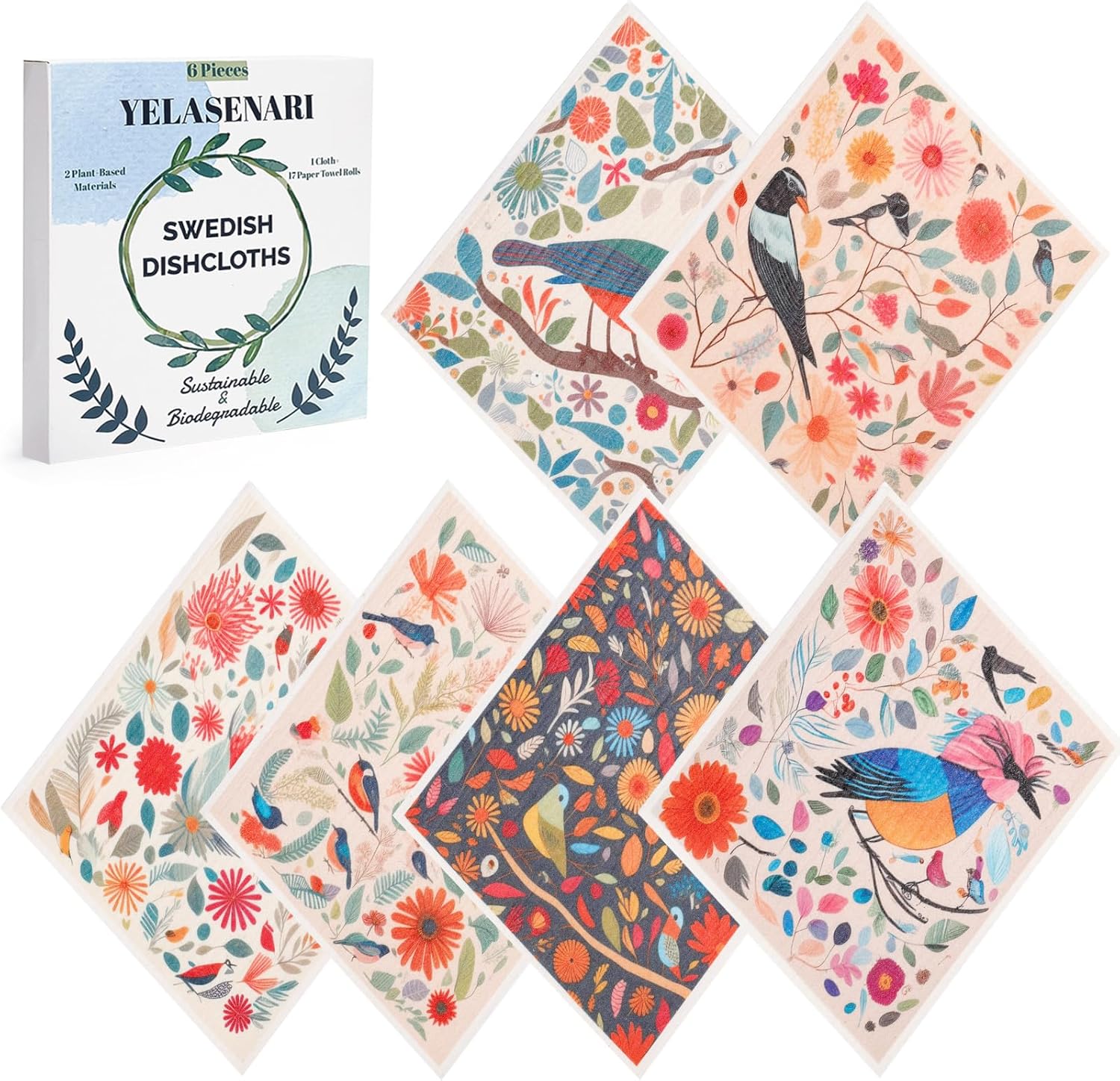
Swedish Dishcloths (6-pack)
One of the easiest paper-towel swaps there is.