Personal Care · Review
Raw Elements Face & Body Mineral Sunscreen SPF 30 (Tin)
A reef-safe, zinc-oxide SPF 30 in a recyclable aluminium tin, no plastic tube, no coral-harming chemical filters. Genuinely low-waste sun protection, with the usual mineral-sunscreen trade-offs.
🌿 Ecoxee decision: The zero-waste sunscreen to beat, if you can live with a mineral finish.
This is about as low-waste as sunscreen gets: broad-spectrum SPF 30 from zinc oxide in a recyclable aluminium tin, reef-safe and water-resistant. The trade-offs are the usual mineral ones, a thicker balm you warm and rub in, and some white cast, but if you want plastic-free, reef-safe sun protection, it is a genuine option.
Ecoxee is an Amazon Associate and may earn from qualifying purchases. Learn more.
Best for
Not ideal for
Before you buy: do you actually need this?
Worth buying if…
- You want plastic-free, recyclable-tin sunscreen
- Reef-safe (zinc, no chemical filters) matters to you
- You have sensitive skin
- You will apply generously and reapply
Probably skip it if…
- You want an invisible, lightweight lotion finish
- A white cast is a dealbreaker for you
- You will not reapply (no sunscreen works if under-applied)
The most sustainable option is often the one you already own.
Overview
Raw Elements is a broad-spectrum SPF 30 mineral sunscreen that uses zinc oxide, packed in a 3-ounce recyclable aluminium tin. The zero-waste angle is the packaging: a plastic-free, recyclable tin instead of a plastic tube. It is also reef-safe, because it relies on zinc rather than the coral-harming chemical filters (oxybenzone and octinoxate) banned in places like Hawaii, and it is water-resistant beyond 80 minutes, unscented, and made for face and body, adults and kids.
Zinc oxide is a mineral (physical) filter that sits on the skin and reflects UV, so it works immediately and is gentle enough for sensitive skin. The honest mineral trade-offs come with that: it is a thicker balm you warm between your fingers and rub in, rather than a squeeze-and-go lotion, and zinc leaves some white cast, which is more noticeable on deeper skin tones.
One responsible note on the SPF, since sun protection matters: SPF 30 is a solid, dermatologist-endorsed everyday level (it blocks roughly 97% of UVB), but it only does its job if you apply enough and reapply about every two hours, and after swimming or sweating. No sunscreen is complete protection, so for long exposure pair it with shade and clothing.
How to use it
- 1Scoop a little from the tin and warm it between your fingers so the balm softens and spreads.
- 2Rub it into face and body about 15 minutes before sun exposure, applying more generously than feels necessary, most people under-apply sunscreen.
- 3Work it in fully to reduce the white cast; a little extra rubbing helps it blend.
- 4Reapply at least every two hours, and after swimming, sweating or towelling off.
- 5When the tin is empty, rinse it and recycle it with your other aluminium.
What we like
- Plastic-free, recyclable aluminium tin (the zero-waste win)
- Reef-safe zinc oxide, no oxybenzone or octinoxate
- Broad-spectrum UVA/UVB SPF 30
- Water-resistant beyond 80 minutes
- Gentle mineral formula for sensitive skin
- Unscented, face and body, kids too
Worth knowing
- Leaves some white cast (mineral zinc)
- Thicker balm: you warm and rub it in, not squeeze-and-go
- White cast more visible on deep skin tones
- Tin/balm application takes a little more effort
- Only works if applied generously and reapplied
The honest trade-offs
The nuance most reviews leave out.
- The zero-waste win is genuine (recyclable tin, no plastic tube) and it is reef-safe, a rare double, but you pay for it in feel: mineral zinc is thicker and leaves more cast than a chemical lotion.
- SPF 30 is a solid everyday level, but with any sunscreen the application (enough, and reapplied) matters more than the SPF number.
- A tin means no plastic, but also means scooping and warming the balm rather than squeezing a lotion, a small daily faff for the packaging win.
- Mineral sunscreens are gentler on skin and reefs, but the white cast is a real trade-off, especially on deeper tones.
Sustainability breakdown
Our honest read on how eco-friendly this really is. Where we cannot verify something, we say so rather than guess.
Plastic-free, recyclable aluminium tin, the core zero-waste advantage over a plastic sunscreen tube.
Reef-safe zinc oxide with no coral-harming chemical filters (oxybenzone, octinoxate); natural ingredients.
Mineral zinc filter, safe for coral reefs and marine life, unlike chemical sunscreens.
Gentle mineral formula suitable for sensitive skin and kids.
Recycle the aluminium tin with your other aluminium; no plastic tube to landfill.
Frequently asked questions
Is it reef-safe?
Yes. It uses zinc oxide, a mineral filter, and contains none of the chemical filters (like oxybenzone and octinoxate) linked to coral damage and banned in places like Hawaii. That makes it a genuine reef-safe choice for snorkelling, beaches and swimming.
Does it leave a white cast?
Some, yes, that is the honest trade-off with any zinc-oxide mineral sunscreen. Warming the balm and rubbing it in fully reduces it, but expect more cast than a chemical lotion, and it is more noticeable on deeper skin tones.
How do you apply a sunscreen tin?
Scoop a little out, warm it between your fingers so the balm softens, then rub it into skin about 15 minutes before sun exposure. Apply generously, work it in well to blend, and reapply every couple of hours and after swimming or sweating.
Is SPF 30 enough?
For everyday use, yes, SPF 30 is a solid, dermatologist-endorsed level that blocks roughly 97% of UVB. With any sunscreen, though, applying enough and reapplying on schedule matters more than chasing a higher number, and for long exposure it is wise to add shade and clothing.
What makes it zero-waste?
The packaging: it comes in a recyclable aluminium tin rather than a plastic tube, so there is no plastic to landfill, just rinse and recycle the tin with your other aluminium. Combined with the reef-safe mineral formula, that is the eco case for it.
Is mineral sunscreen better than chemical?
They protect differently. Mineral zinc sits on the skin and reflects UV, works immediately, is gentle on sensitive skin and reef-safe, but leaves more cast. Chemical sunscreens absorb and rub in invisibly, but some filters harm reefs. For plastic-free, reef-safe sun care, mineral in a tin is the pick; if invisibility is your priority, that is the trade-off.
Can kids use it?
Yes, it is formulated for both adults and kids and is unscented, and mineral zinc formulas are generally well tolerated by sensitive and young skin. Apply generously and reapply, and for babies check with a paediatrician about sun protection.
If you don't buy it
If a white cast is a dealbreaker, or you want a light, invisible lotion you can squeeze and go, a mineral tin sunscreen will frustrate you, a reef-safe mineral lotion (still better than chemical) may suit better even if it is plastic-packaged. And no sunscreen helps if you do not apply enough or reapply. Buy this if plastic-free, reef-safe protection is the priority and you can live with the mineral finish.

The Ecoxee verdict
Raw Elements is about as close to zero-waste as sunscreen gets: broad-spectrum SPF 30 from reef-safe zinc oxide in a recyclable aluminium tin instead of a plastic tube. That plastic-free-and-reef-safe combination is genuinely rare and the reason to buy it. The honest trade-offs are the usual mineral ones, a thicker balm you warm and rub in, and some white cast (more so on deeper skin tones). If you can live with that, it is a genuinely responsible sun-care choice; just remember that with any sunscreen, applying enough and reapplying matters more than the label.
Check Price on AmazonMore Personal Care picks
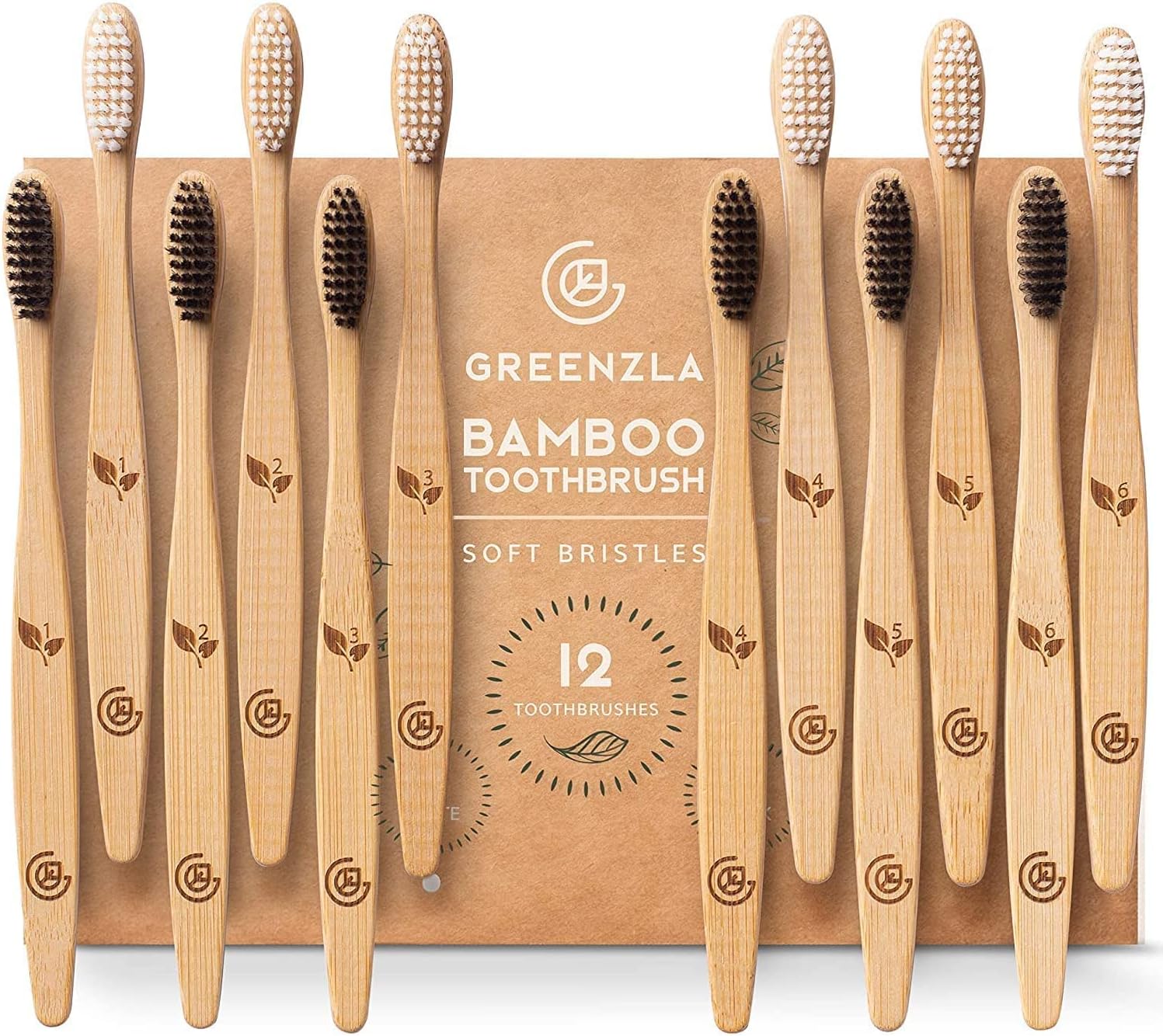
Greenzla Bamboo Toothbrushes (12-pack)
An easy plastic swap, with one honest catch.

ALMOONI Natural Egyptian Loofah (3-count)
The natural loofah worth buying, if you will care for it.

Amazon Aware Bamboo Toilet Paper (24 rolls, FSC-certified)
A solid tree-free roll, with FSC certification to back it.