Every plastic lip balm tube is used up and thrown away, and most cannot be recycled. Making your own zero-waste lip balm fixes that, and it could not be simpler: three natural ingredients, melted together and poured into a little reusable tin. It is cheaper than a fancy balm, you know exactly what is in it, and one batch makes several.
Here is how to make plastic-free lip balm, plus how to tint it, flavour it, and make it vegan.
Save a small metal tin (an old mint or salve tin is perfect) or buy one reusable aluminium pot and refill it forever. That single swap is what makes this a genuinely zero-waste balm.
What you will need
The classic ratio is one part wax to two parts oil, with an optional butter for extra richness:
- 1 tablespoon beeswax (pastilles melt fastest) — or candelilla wax for a vegan balm
- 2 tablespoons carrier oil — coconut, sweet almond, jojoba, or olive
- Optional: 1 teaspoon shea or cocoa butter for a creamier balm
- Optional: a few drops of essential oil (peppermint, sweet orange) for flavour
- A small heatproof bowl, a saucepan, and a clean reusable tin or a few small pots
How to make zero-waste lip balm
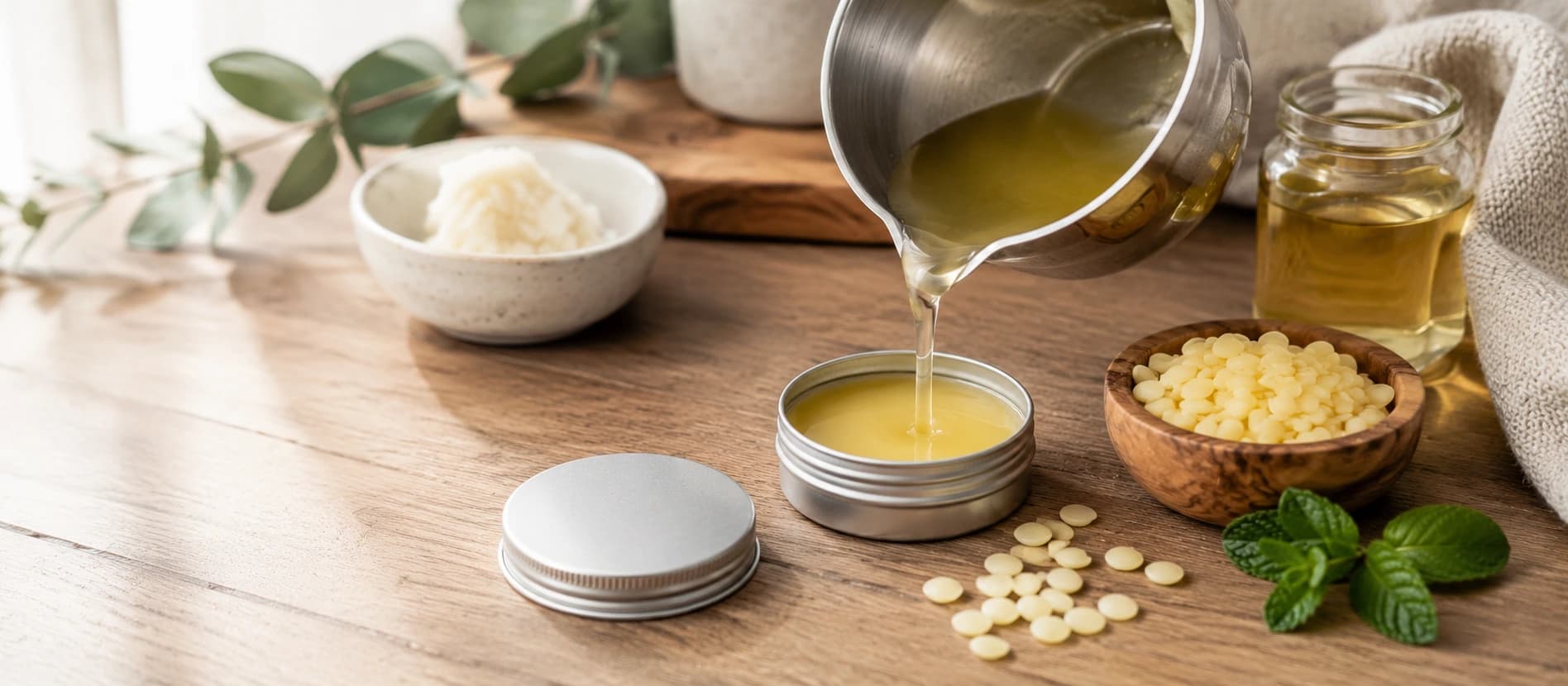
- Melt the wax and oil. Put the beeswax, carrier oil, and butter (if using) in a heatproof bowl set over a pan of simmering water. Stir gently until everything is fully melted and clear.
- Take it off the heat. Stir in any essential oil now — heat destroys the scent if you add it too early.
- Test the firmness. Dip in a cold spoon and let it set for a minute. Too hard? Stir in a little more oil. Too soft? Add a touch more wax.
- Pour quickly. Balm sets fast, so pour it into your tins straight away.
- Leave to set. Let it cool undisturbed for about 20 minutes until solid. That is it.
Getting the firmness right
Beeswax is what sets the balm, so the wax-to-oil ratio controls how firm it is:
| You want | Beeswax | Oil |
|---|---|---|
| Standard balm | 1 part | 2 parts |
| Firmer (warm climates) | 1 part | 1.5 parts |
| Softer, glossier | 1 part | 3 parts |
If your balm ever turns out grainy, gently re-melt it and cool it a little faster — that usually fixes it.
Variations
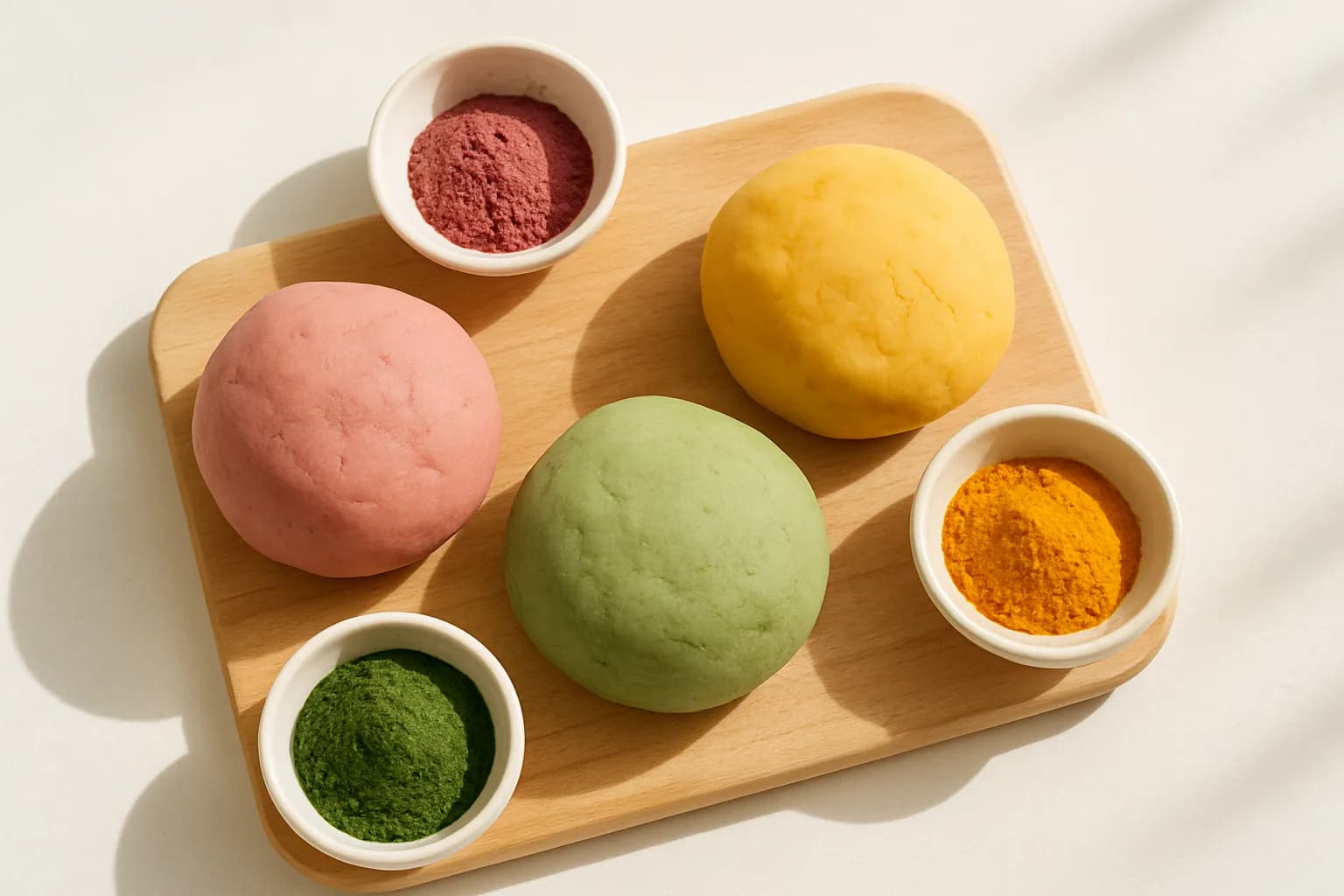
- Tinted balm. Melt in a small amount of natural colour — a pinch of beetroot powder or a little cocoa powder — for a hint of tint. Add slowly; a little goes a long way.
- Vegan balm. Swap the beeswax for candelilla wax, but use about a third less, as it is firmer than beeswax.
- Extra-moisturising. Add the shea or cocoa butter and choose jojoba oil, which is closest to skin's own oils.
- Honey balm. Stir in a tiny bit of honey off the heat for a naturally sweet, soothing balm (not vegan).
A few honest notes
- Patch test first if you have sensitive skin or allergies, especially with essential oils or nut-based carrier oils.
- Keep it dry. Water in the tin can spoil it, so scoop with clean, dry fingers or a small spatula.
- Shelf life is around 6 to 12 months. Natural balm has no preservatives, so make small batches and enjoy them fresh.
Batch it for gifts
One melt makes several tins, which makes lip balm one of the easiest zero-waste gifts going. Pour the same batch into a handful of little tins, add a simple handwritten label, and you have a run of thoughtful, plastic-free presents for almost nothing. Wrap them in a scrap of fabric or brown paper — see our eco-friendly gift wrapping ideas — and the whole gift, balm and wrapping alike, is waste-free.
Why it is a real zero-waste win
A single reusable tin replaces a steady stream of plastic lip balm tubes, which are too small and too mixed-material to recycle and end up in landfill by the billion. Buy your beeswax and oils package-free or in glass and paper, refill the same tin each time, and you have turned a throwaway product into something you make, use, and remake with almost no waste at all.
For more simple, natural makes, browse our eco-crafts guides and zero-waste home guides.
Keep reading: DIY Homemade Nature Confetti Using Fallen Leaves, Fun Egg Carton Craft Ideas for Elementary Students, and How to Make Eco-Friendly Natural Playdough.